Home

Walking through an Old Growth Forest: Oakland Forest

1 Comment

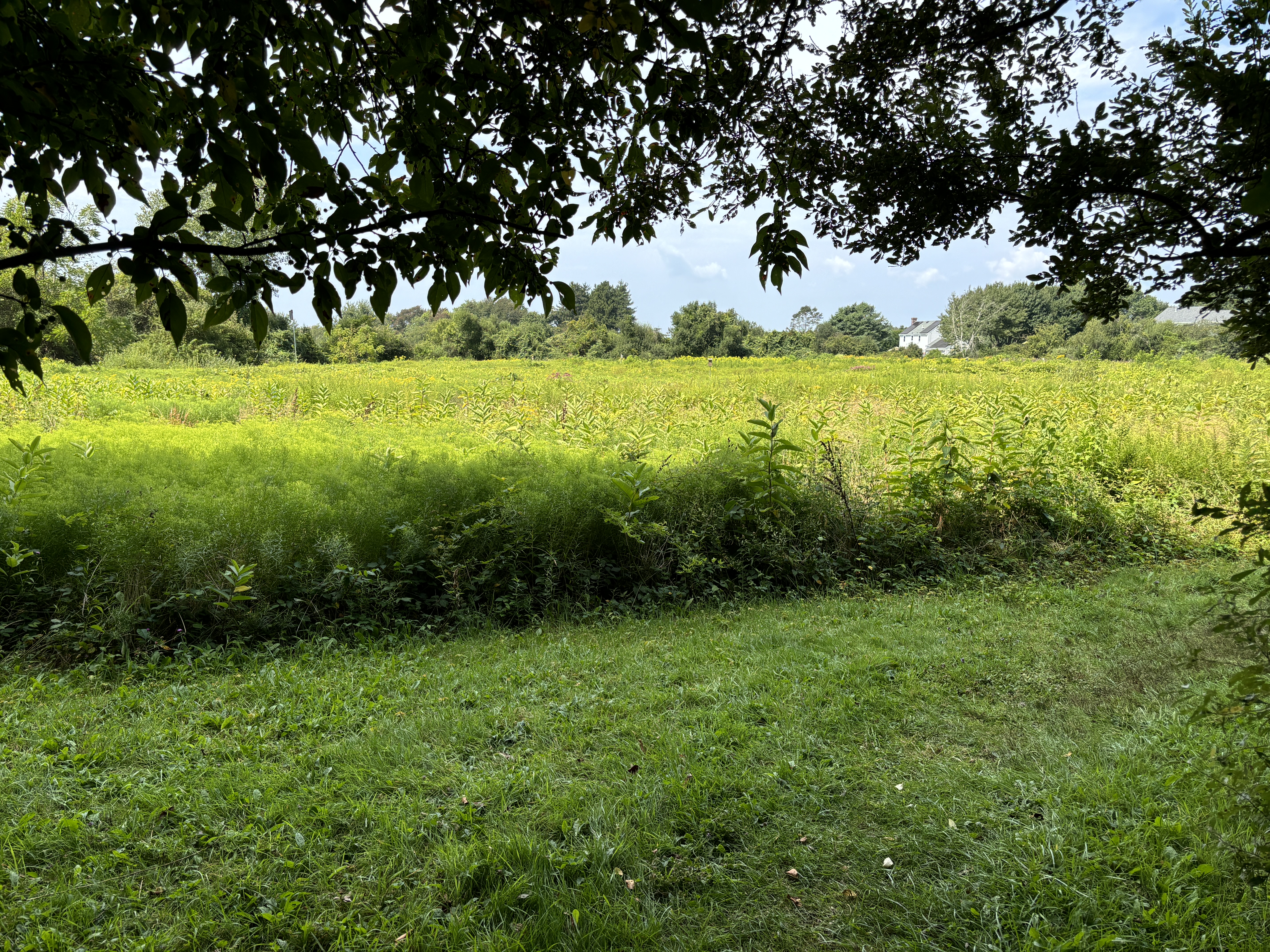
Today we took a gentle mile walk through Oakland Forest. On the walk you see a beautiful meadow and an old growth forest. This 30 acre area was saved for public enjoyment by the Aquidneck Land Trust through the generosity of local people. A developer was buying pieces of the property and building condominiums. Before the last section was sold off, forest scientists realized that the woods had the classic characteristics of old growth. Some of the trees were estimated to be 200-300 years old. The American beeches were 10 feet in circumference and 85 feet tall. There are white oaks in the forest that are 5 to 9 feet around and 70 to 80 feet tall. Considering that during the British Occupation of Aquidneck Island from 1776-1779 just about every tree was chopped down, having an example of “old growth” remaining is a treasure. Walking through the woods gives us an idea of what the land on Aquidneck Island was like when our first settlers arrived. There was a push by local people to preserve this forest instead of cutting it down for more house lots. Aquidneck Land Trust was able to buy this wooded area in 2000 for $1.5 million dollars.
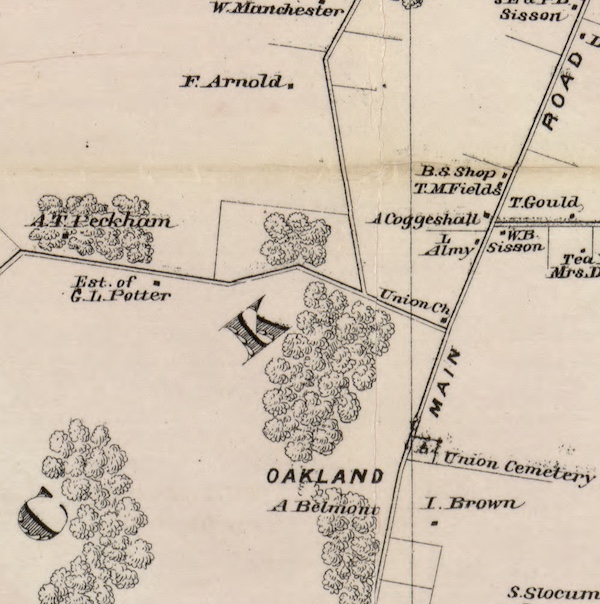
The whole Oakland Farm property has quite a history to it. In the early 1800s Oakland Farm was the summer home of Sarah Gibbs and her sister Ruth Gibbs Channing. Ruth was the wife of William Ellery Channing, a famous Unitarian minister, and Oakland Farm was Channing’s treasured summer retreat. Sarah Gibbs is best known for her founding of St. Mary’s Episcopal Church in Portsmouth. Known as “Aunt Sarah” by her family, she was famous for her hospitality. Sarah never married, but at Oakland Farm she was surrounded by loved ones. Sarah was an integral part of the Channing family and wrote about the Channing girls as “my children.”

Later the property was owned by the Vanderbilts and was a magnificent Gentleman’s Farm with elegant stables and riding rings. Sarah’s home was expanded to suit the Vanderbilt needs.

To access the woods: From the end of Union Street toward East Main Rd, turn onto Carriage Drive. Toward the end of Carriage Drive there is a small parking lot which marks the entrance.
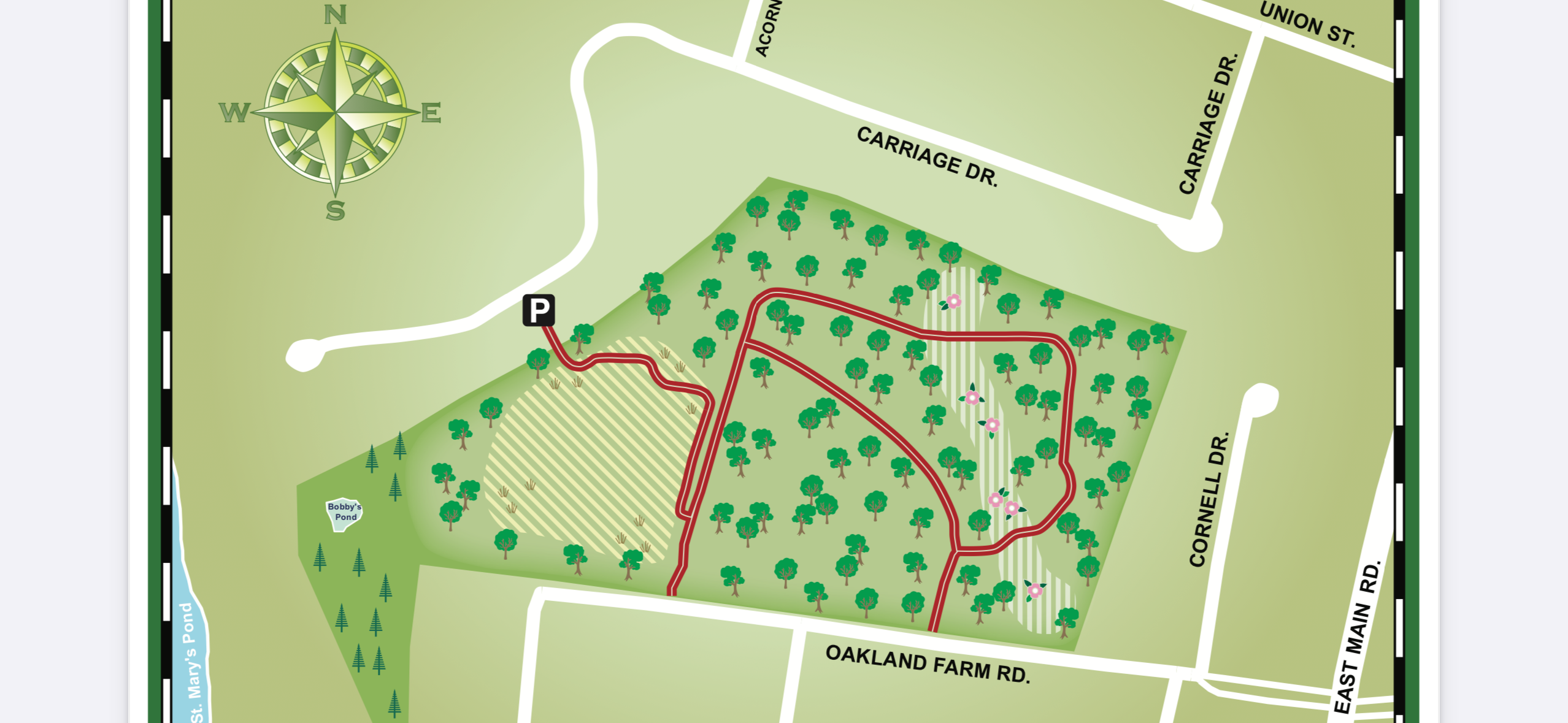
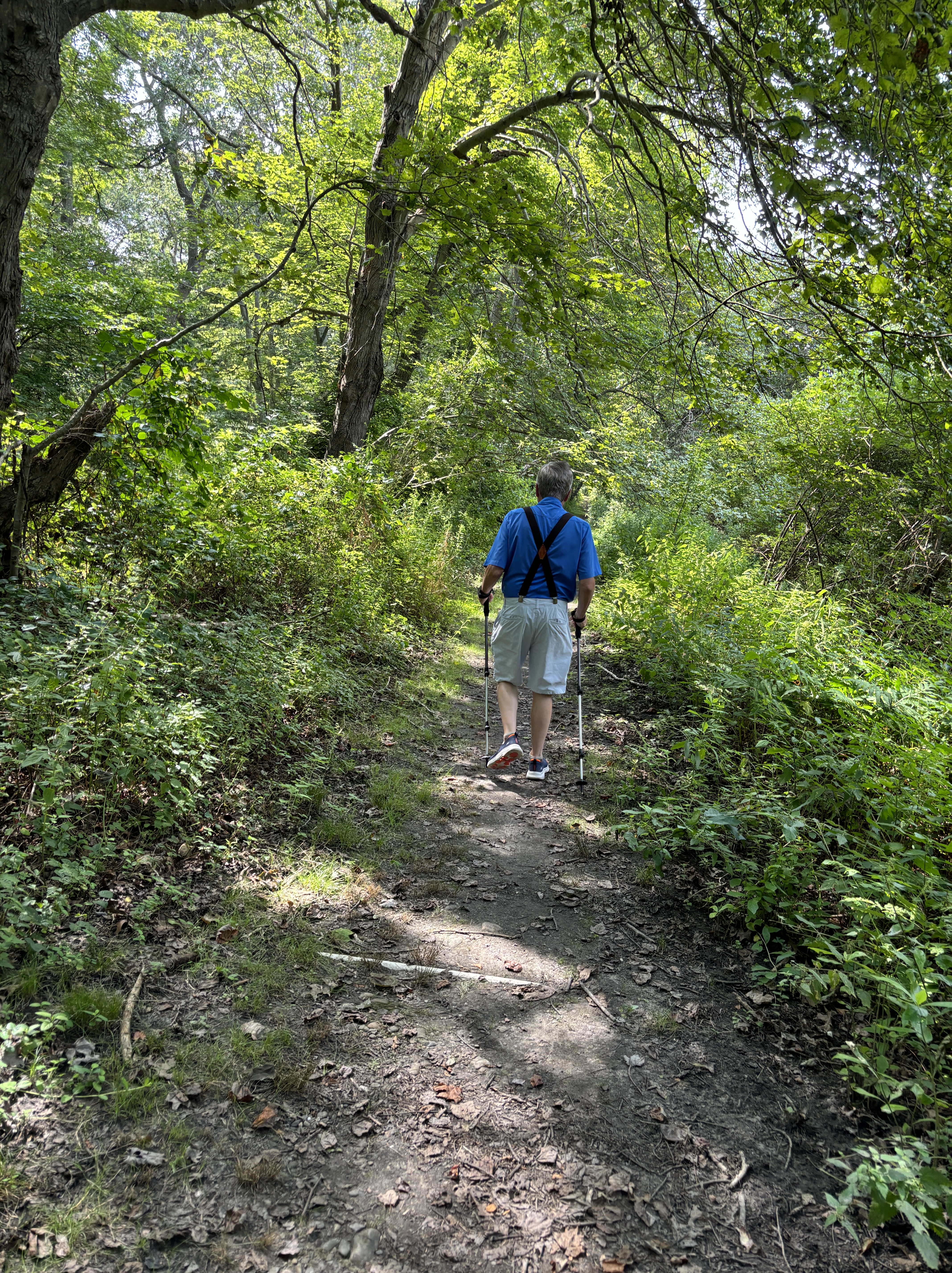
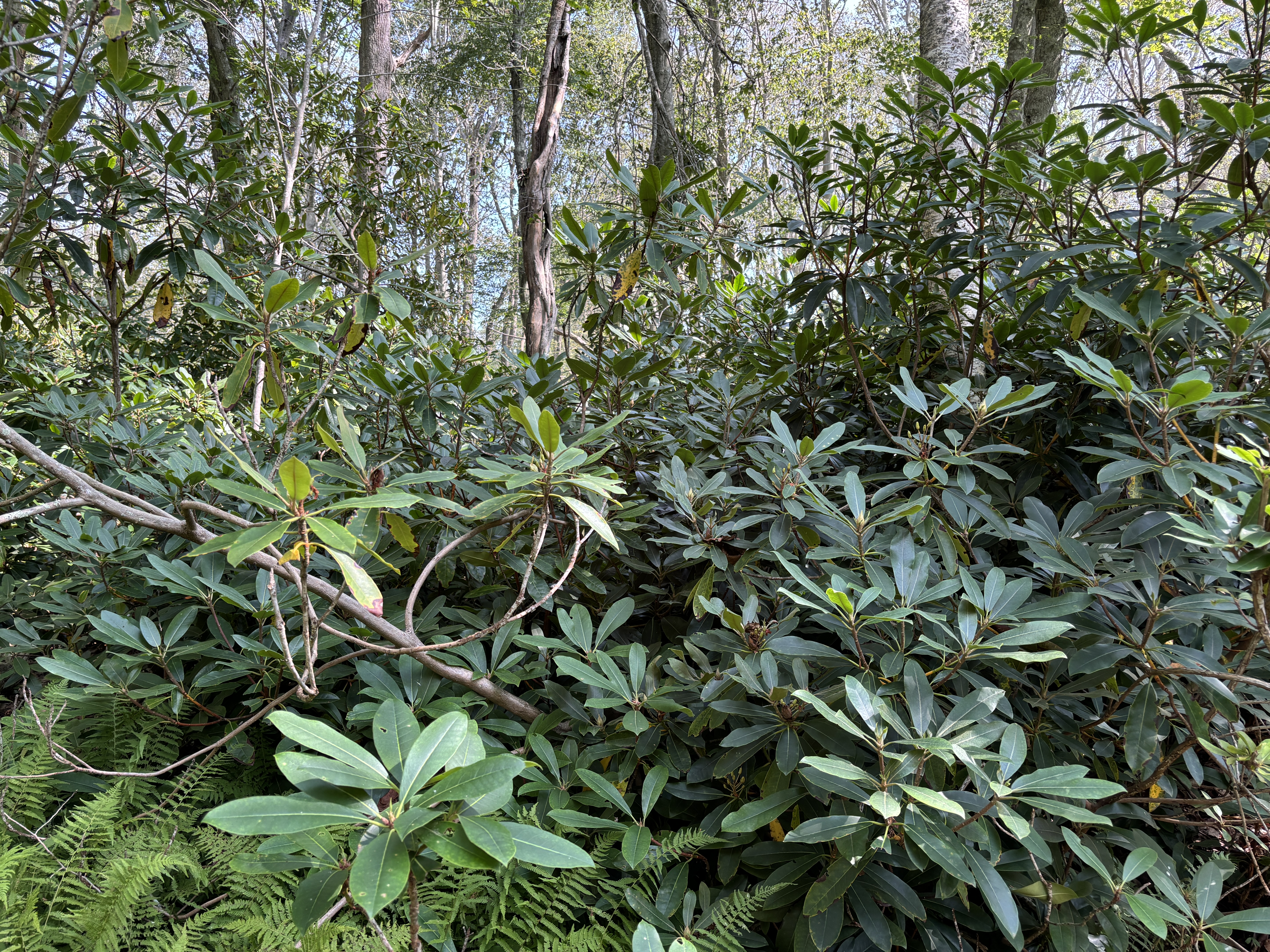
The early part of the trail is through a meadow. The access to the wooded part of the walk will be to your left. Follow the trail around the “Loop” and come back out where you began. In the wooded sections there are many tree roots and I would recommend using hiking poles for safety. Through the trail you will notice that part of the Oakland estate Rhododendron plantings are still there.
Re-enactment at Coggeshall Farm

Leave a comment

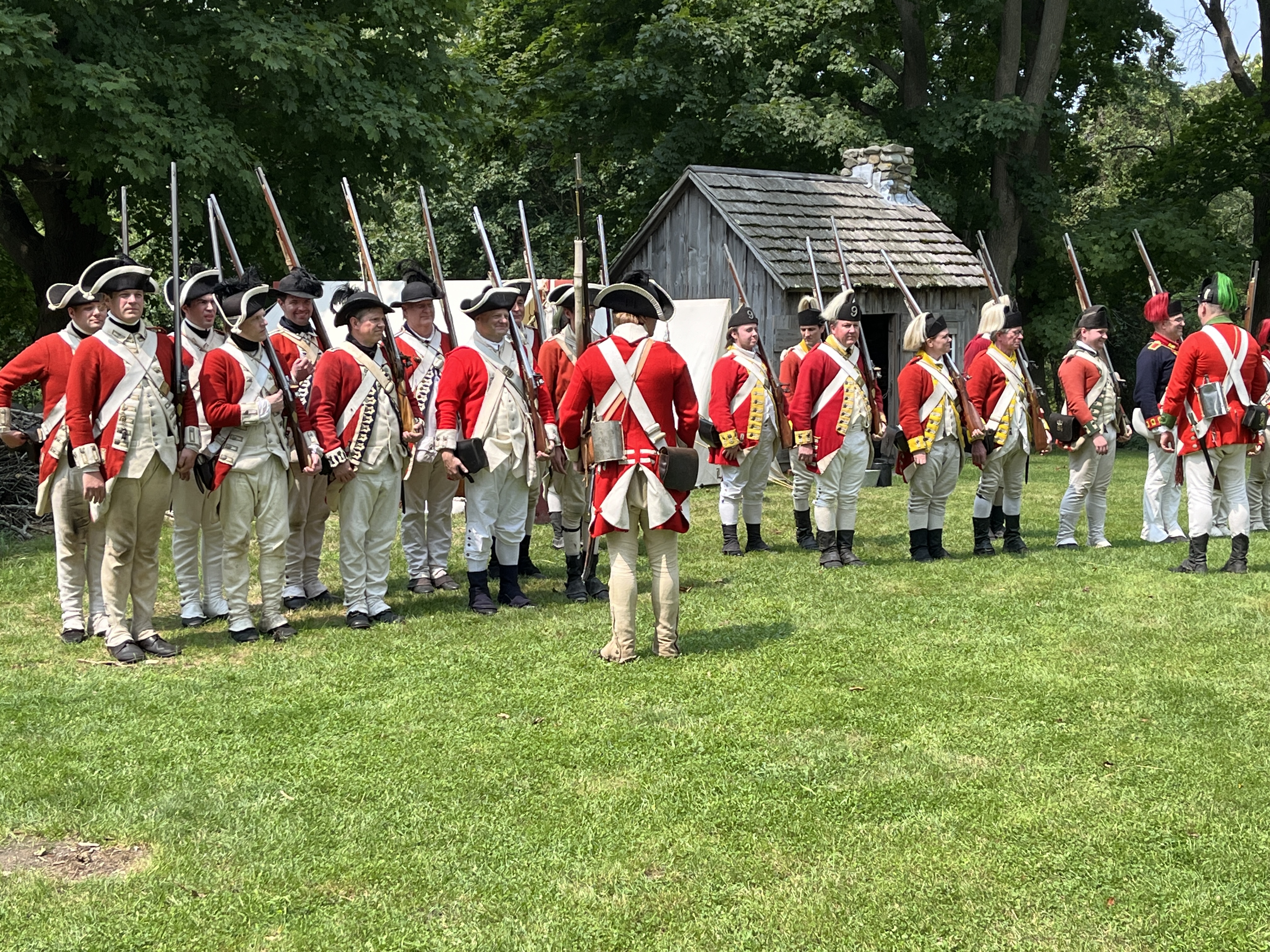
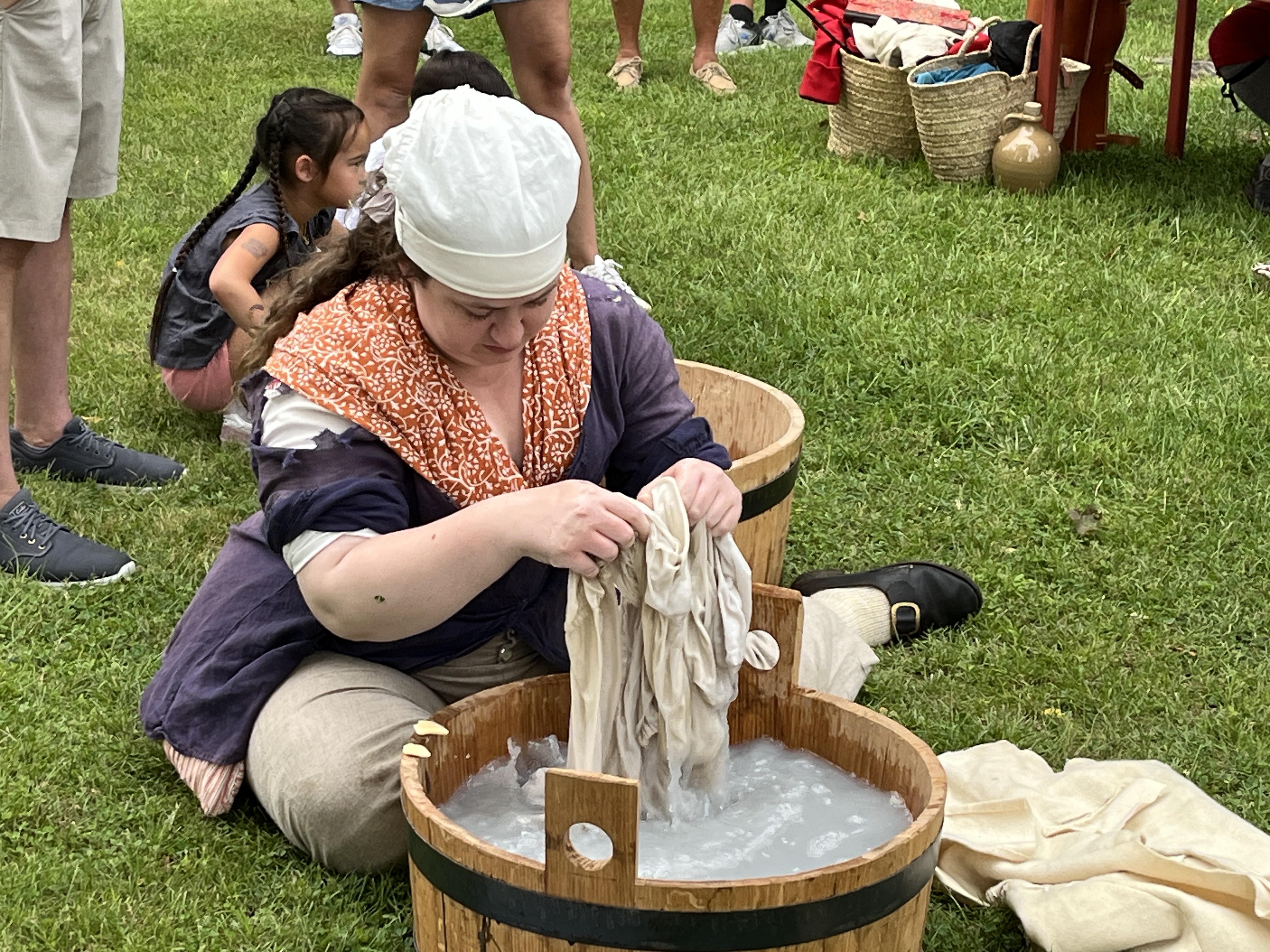
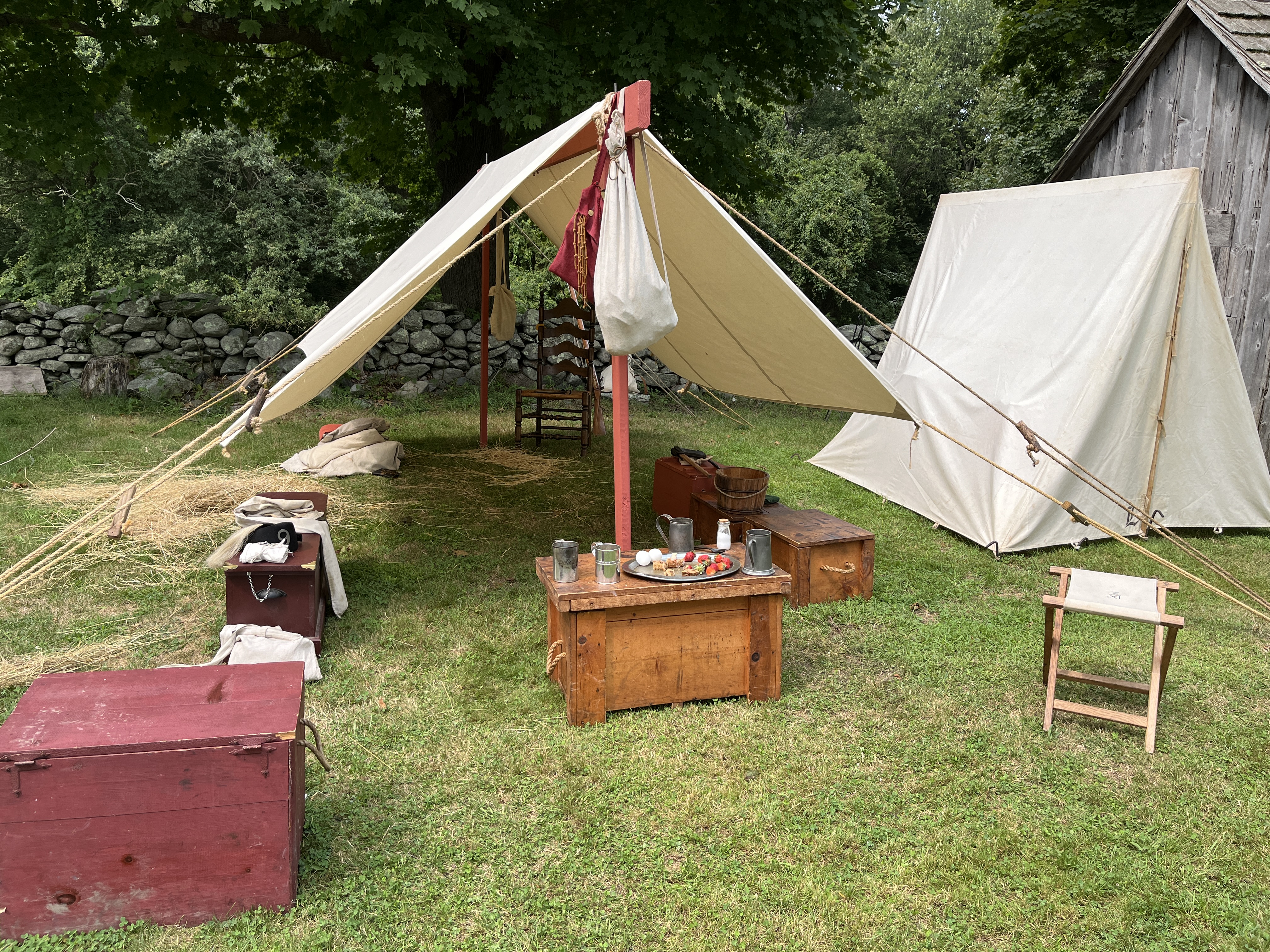
This weekend ( August 18) there is a loosely based re-enactment of Campbell’s Raids on Warren and Bristol. The lectures, demonstrations and battle scenes were interesting and well done.

Going to School in Portsmouth: Interviews with people who went to one-room schools

2 Comments

I’m going through Elmhurst memorabilia as I prepare for a special program at the Portsmouth Historical Society on September 8th – Going to School in Portsmouth. Each year my students worked on a different local research project.

What was it like to go to a one or two room school?
In 2005 Elmhurst 3rd graders interviewed Portsmouth residents who had that experience.
Here is a sample of some of the questions and answers from those interviews.

Interview of Mr. Douglas Wilkey
Quaker Hill School and other schools in the district

What did you wear? They wore knickers that went right under the knee and socks that pulled up and folded at the end.

How many students were in your class? There were from 32 to 36 students in the class.

How many classrooms were in your school? There were three classrooms at Newtown School. There were two rooms at Quaker Hill School. Anthony School had ten rooms. Anne Hutchinson and Coggeshall had four classrooms.

How were kids punished? We were whacked with rulers.

Mrs. Joy Schuur went to Coggeshall School

What were your teachers like? The teachers were single and when they got married they weren’t teachers.

What subjects did you have? We had more music than you do. They didn’t have library or gym. They had math, spelling and language.

What kind of holidays did you have? We had no spring break. There was a long Christmas and Easter break.

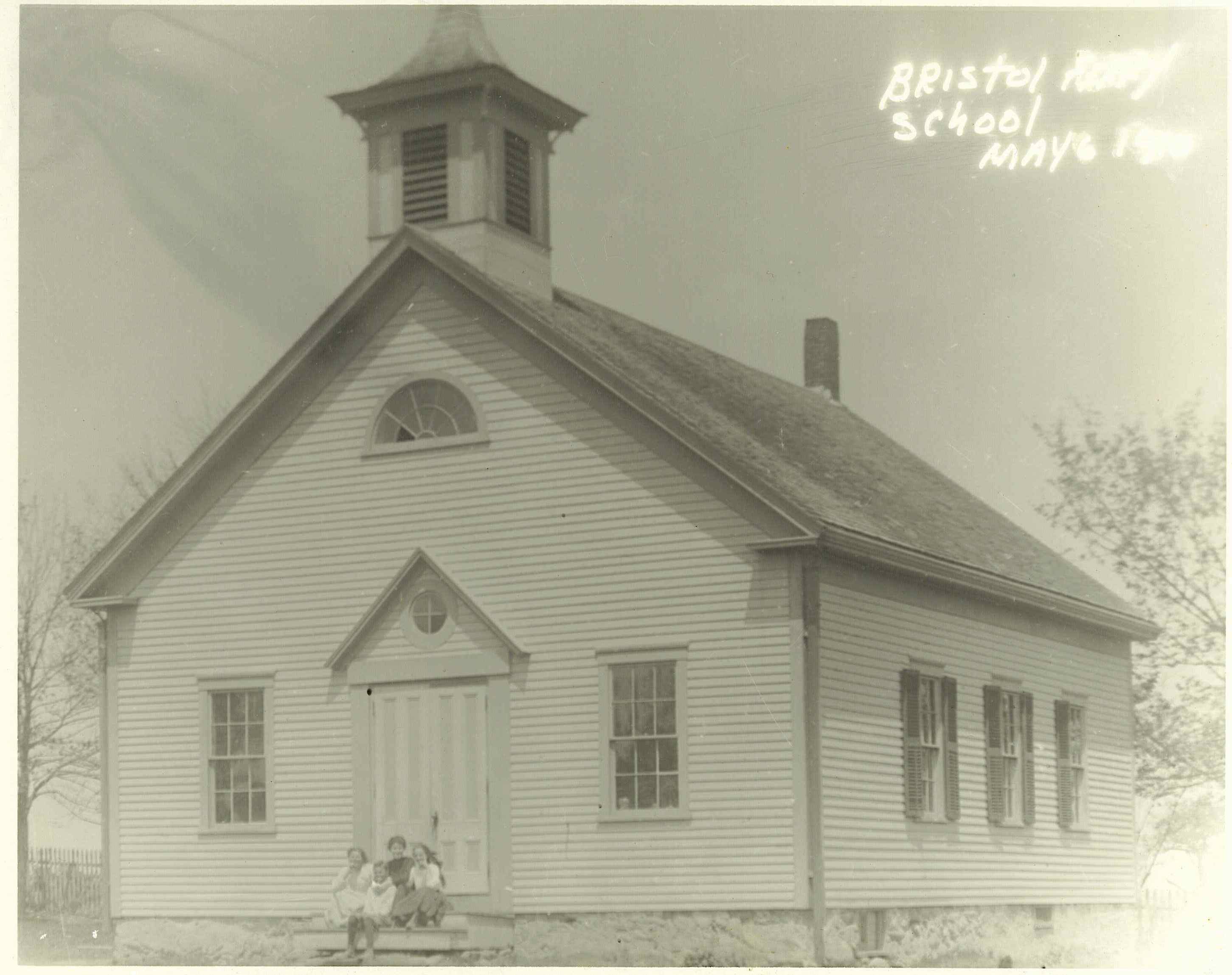
Miss Fay and Mrs. Powers went to Bristol Ferry School

What games did play at recess? We played hopscotch, jump rope and jacks. They had a morning recess which was fifteen minutes and afternoon recess after lunch which was an hour long.

How many grades were in your school? They had grade one to grade eight.

What did you wear to school? Girls wore dresses and cotton stockings. Boys wore pants or knickers.

What was the discipline like? If you got in trouble you would get sent out of the room, sent to the principal’s office or had to sit in the corner. The first thing they would do was have you sit in front.

What were the bathroom’s like? There was one outhouse.

Mrs. Wilkey went to Newtown School
Some information the students learned.

Newtown School had three classrooms.
The oldest students might have been 16 years old.
They had spelling bees and Mrs. Wilkey did well.
They had an art teacher and a music teacher, but no library or physical education class.
Ten or twelve students might not pass on to the next grade.
Girls were not allowed to play team sports.
If students were bad, the principal would call the parents and they were in trouble at home.

Bristol Ferry School