Home

Commanders of the Battle: Malsburg

Leave a comment

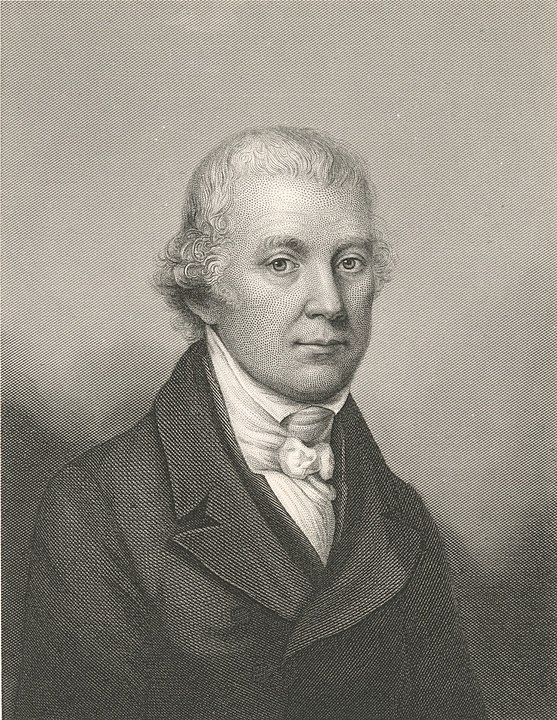
Captain Friedrich Wilhelm von der Malsburg (c. 1745–1825)

Malsburg was captain of the riflemen and commanded maybe 100 men.
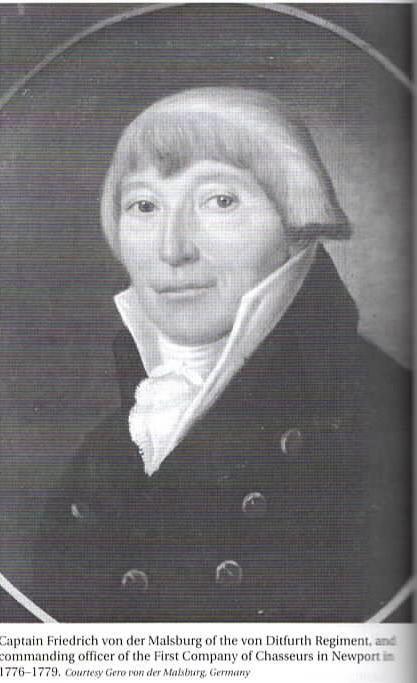
Malsburg served on Aquidneck Island who whole of the British Occupation from 1776-1779. He wrote a diary which helps us understand his life on Aquidneck Island. There wasn’t a Jager unit (skilled hunters and marksmen) so two units were formed from Chasseur companies (rapid movement unit). Captain Friedrich von der Malsburg of the Ditfurth Regiment commanded the first company and Captain August Christian Noltinius of the von Bunau Regiment headed the second. These men were armed with musket, bayonet, and sabre. They were on round the clock alert in readiness for special assignments. These rapid advaance men went up West Main Road ahead of the other troops and challenged the American pickets.

Found in Malsburg’s diary was a poem about the Rhode Island Campaign. There are mentions of d’Estaing, Pigot, Clinton. Ludwig is French King Louis. The term “Jonathan” was a commonly used to denote someone from New England. Hancoc refers to John Hancock. Hancock was actually at the Siege of Newport, but left before the Battle.
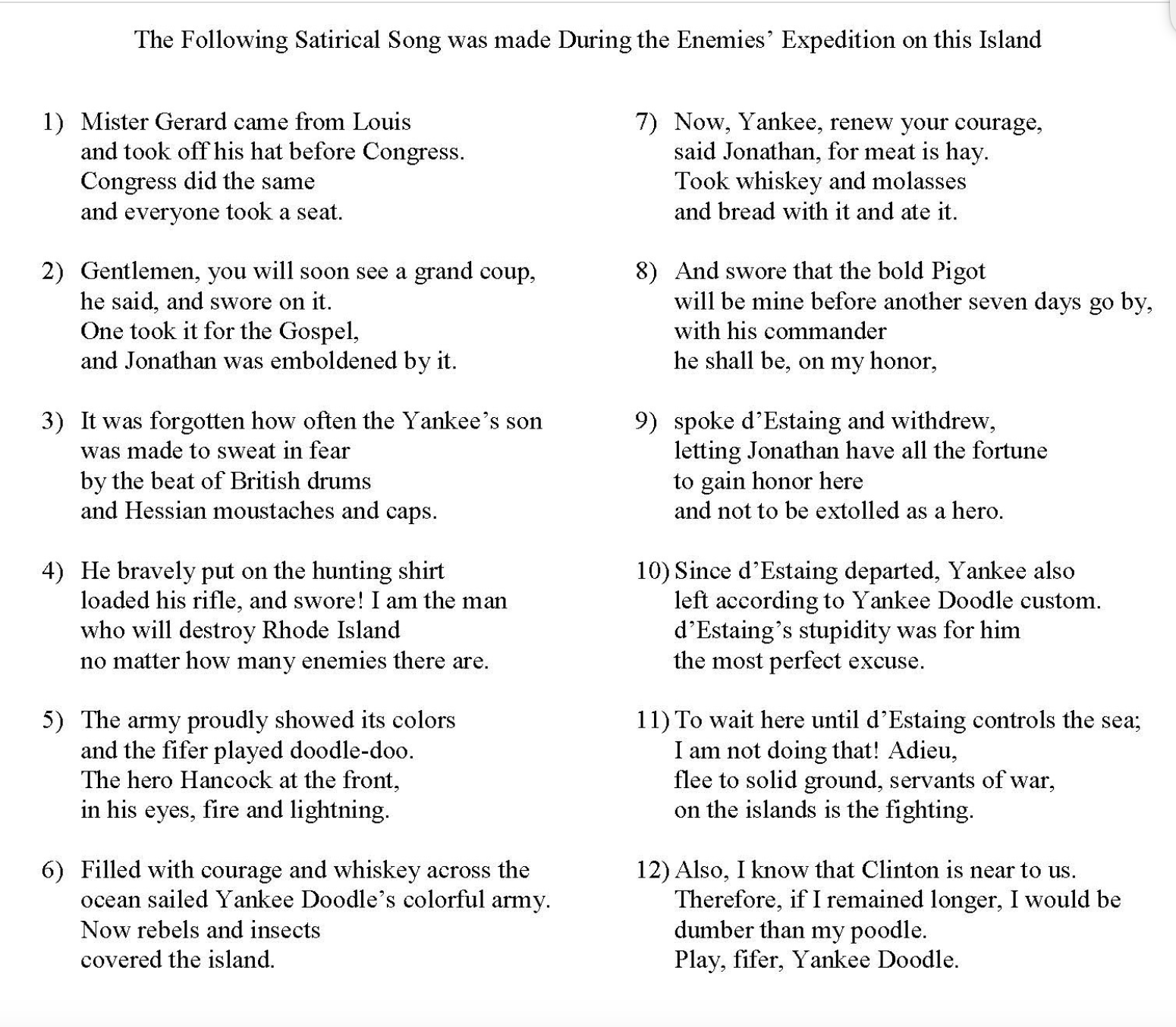
Resources: There is little information on Malsburg, but Walter Schroder’s The Hessian Occupation of Newport and Rhode Island has good information from his diary. The web article on Yankee Doodle is the source of the poem.
Commanders in the Battle: Wade and Jackson

Leave a comment

Note: These short military histories of men who commanded at the Battle of Rhode Island are focused on their experience up to the Battle of Rhode Island. I am researching for a role playing activity about the decisions made at the Battle of Rhode Island.

Col. Nathaniel Wade 1750 – 1826

During the Rhode Island Campaign he commanded 385 members of the Massachusetts Militia.

Wade was born in Ipswich, Massachusetts and drilled with the Ipswich Minute Men. On December 24, 1774, his company signed on as “Minute Men, to be ready for military operation, upon the shortest notice.” At the beginning of hostilities, his unit pursued British soldiers retreating from the battles of Concord and Lexington and fought in the Battle of Bunker Hill. In May of 1777 he was promoted to Lieutenant Colonel. As a member of Col. Keye’s Regiment, he went to Rhode Island as part of the secret expedition of General Spencer. The planned invasion of Aquidneck Island never took place, but he stayed in Rhode Island for a time and headed up his own regiment. When orders were given on July 31st, he headed from East Greenwich to Tiverton. As Captain and later Colonel, he commanded troops throughout the campaign in Rhode Island.

Col. Henry Jackson – 1747-1809

Jackson started his military career as an officer of the First Corps of Cadets in Boston. During British occupation, it was disbanded. After the British left Boston, the cadets organized a company with 87 officers and men called the Boston Independent Company in 1776. Jackson was their commander. The unit was made part of Continental service as Jackson’s Additional Continental Regiment. Jackson led this regiment in the Philadelphia campaign of 1777. Jackson was a lifelong friend of Henry Knox who became Secretary of War. Jackson faced criticism for retreating without orders during the Battle of Monmouth. He commanded about 200 Massachusetts Continentals at the battle.

See Christian McBurney’s article for more information on Jackson and the accusations of retreating without orders. https://allthingsliberty.com/2020/10/colonel-henry-jackson-accused-by-his-junior-officers-of-misconduct-at-the-battle-of-monmouth-court-house/

Commanders of the Battle: Laurens and Talbot

Leave a comment

Lt. Colonel John Laurens – 1754-1782

John Laurens was from a wealthy South Carolina family. He was educated in England and arrived in Charleston in 1777. He wanted to join the Continental Army, and his father Henry secured a position for his 23 year old son. His father would serve in the Continental Congress. George Washington invited him to join his stall in August of 1777 as a volunteer aide-de-camp. Laurens became close friends with two other aides – Lafayette and Alexander Hamilton. On September 11, 1777 he served at the Battle of Brandywine and later the Battle of Germantown in which he was wounded. He was known for his recklessness, but he was given his official position of aides-de-camp to Washington and commissioned a lieutenant colonel. He served at the Battle of Monmouth in June of 1778.

John Laurens
Silas Talbot

Major Silas Talbot – 1751 – 1813

Talbot was born in Dighton, Massachusetts. He was trained as a mariner and as a builder and made his home in Providence. In the aftermath of the burning of the Gaspee and the Boston Tea Party, Rhode Island merchants were alarmed.  Independent militias were forming and Talbot joined and was commissioned as a Lieutenant.  He joined others of his company in learning military skills in a Providence warehouse, but he didn’t have any real military experience. On June 28, 1775 Talbot answered the Rhode Island Assembly’s call to send units to Boston.  He marched with his men to join the Second Rhode Island Regiment and by July 1, he was commissioned a captain.  Talbot and the other 1200 men in the Rhode Island brigade took part in the Siege of Boston watching over the Red Coats but not in direct battle.  Talbot’s skills as a bricklayer came in handy as they built barracks on Prospect Hill.  By April of 1776 the Siege was over and Rhode Islander Esek Hopkins, Commander in Chief of the Continental Navy needed a crew to sail the ships home to Providence.  Washington offered to loan Hopkins men from the Rhode Island Regiment and Talbot switched from soldier to sailor. Silas Talbot was intimately involved in the Rhode Island Campaign. As someone with experience as a mariner and builder, Talbot helped to construct the flatboats that would take American forces to Portsmouth on August 9th of 1778.

Commanders of the Battle: Israel Angell And Samuel Ward

Leave a comment

Colonel Israel Angell – 1740- 1832

At the Battle of Rhode Island he commanded 260 men.

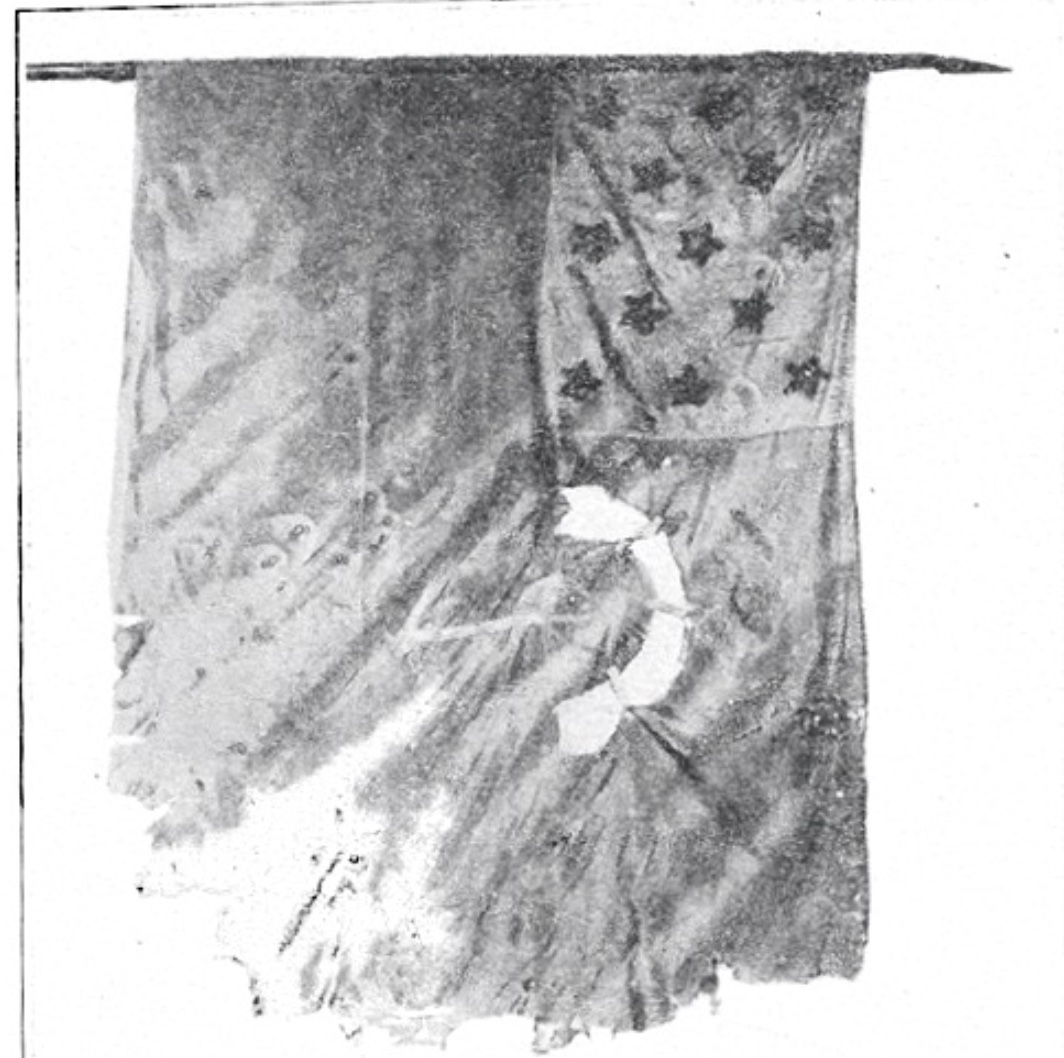
2nd RI flag

Israel Angell came from one of the founding families of Providence. He served throughout the Revolutionary War. Was was a major in Hitchcock’s Regiment at the beginning of the war. He served with that regiment at the Siege of Boston. As the Continental Army was organized in 1776, Angell was part of the 11th Continental infantry. When Hitchcock was appointed brigade commander, Angell commanded the regiment. His regiment was re-named the 2nd Rhode Island Regiment on January 1, 1777. Angell was promoted to lieutenant colonel and shortly after was promoted to Colonel. He commanded the regiment following the death of Hitchcock. He was an experienced soldier serving at Valley Forge, the Siege of Boston, Brandywine, Red Bank, Monmouth and then the Battle of Rhode Island.

Samuel Ward Jr. – 1756 – 1832

At the Battle of Rhode Island he commanded 140 men.

Samuel Ward Jr.

Ward was from Westerly and was the son of a Governor of Rhode Island. He was captain of the Kings and Kent County Militia in 1775. When the regiment was mobilized under Col. Varnum, he served as captain. Varnum’s Regiment became part of the Army of Observation during the Siege of Boston. He served as a volunteer under Christopher Greene to support Benedict Arnold’s expedition to Quebec. He was captured on New Year’s Eve, 1775 and was later exchanged for other prisoners. Ward was promoted to a major of the 1st Rhode Island Regiment on January 12, 1777, and was promoted to lieutenant colonel on 5 May 1779 (with date of rank retroactive to May 26, 1778). With the 1st Rhode Island Regiment he fought at the Battle of Red Bank (October 1777) and the Battle of Rhode Island (August 1778). He is an ancestor of Julia Ward Howe.

Commanders of the Battle: Greene And Glover

Leave a comment

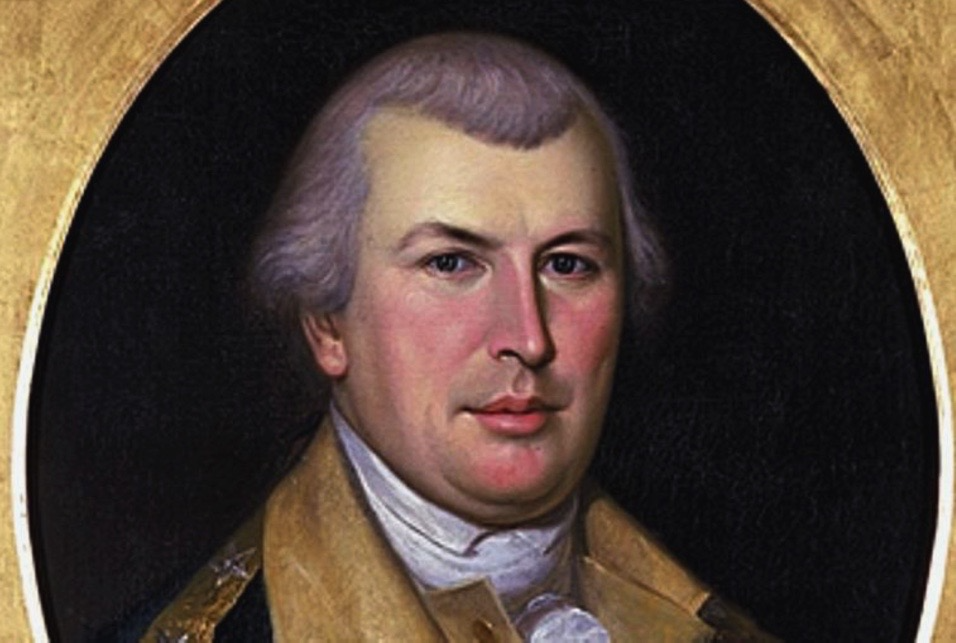
Major General Nathanael Greene – 1742-1786

Nathanael Greene

Greene was born into a Quaker family in the Coventry area of Rhode Island. He worked as the resident manager of the Coventry Iron Works, working at the forge making large ship anchors and chains until he enlisted in the army. Although of Quaker background, Greene was active early in the colonial fight against British revenue policies in the early 1770s. He was self educated and valued books and learning – especially about military topics. He helped establish the Kentish Guards, a state militia unit, but a limp prevented him from joining it. Rhode Island established an army after the April 1775 Battles of Lexington and Concord. Greene was tapped to command it. Later that year Greene became a general in the new Continental Army. Greene served under George Washington in the Boston campaign, the New York and New Jersey campaign, and the Philadelphia campaign. He was appointed quartermaster general of the Continental Army in 1778, but he reserved the right to command troops in the field. Before the Battle of Rhode Island, Greene was placed in charge of the right flank of the army. He had the reputation of being one of Washington’s most talented Generals.

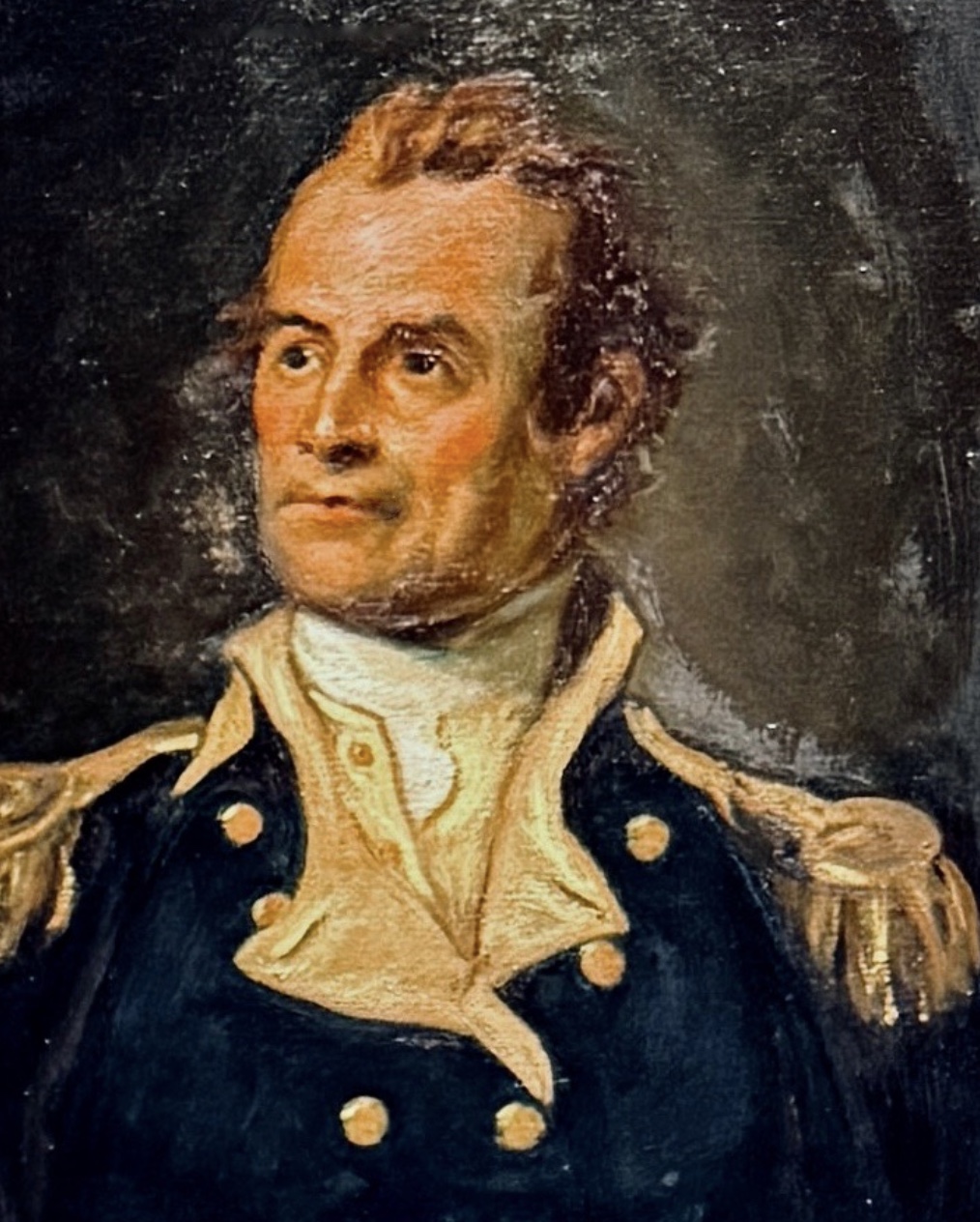
Brigadier General John Glover 1732-1797

John Glover

John Glover was born in Salem, Massachusetts, but he grew up in Marblehead. He began as a fisherman and merchant and ultimately owned his own ship. As tensions increased between the colonists and British Crown, Glover became active in the rebel cause. He joined the local militia and became commander in 1775. He participated in the siege of Boston. General Washington hired Glover’s ship to raid British shipping and it (the Hannah) became one of the first ships of the Continental Navy. The Marblehead militia became a Continental Regiment known as “the amphibious regiment.” Glover’s Regiment (the 14th Regiment) would have nearly 500 men – seamen, mariners and fishermen who had nautical skills. The 14th regiment was also integrated unit, with Native American, African American, Spanish, and Jewish volunteers all working together.

Commanders of the Battle: On the English Side

Leave a comment

Brigadier General Francis Smith – 1723-1791

Francis Smith

He commanded over 1600 troops at the Battle of Rhode Island.

He was commissioned in 1741, made Captain in 1747 and became a Major in the 10th Foot in 1758. He was Lt. Colonel in the 10th Foot in 1762. In North America he was in command at Lexington and Concord in April of 1775. He was wounded in the thigh during the retreat. He was given a temporary promotion to Brigadier General at the time of the Battle of Rhode Island. Later he would retire with 50 years of service.

Captain Alexander Graeme – 1741-1818
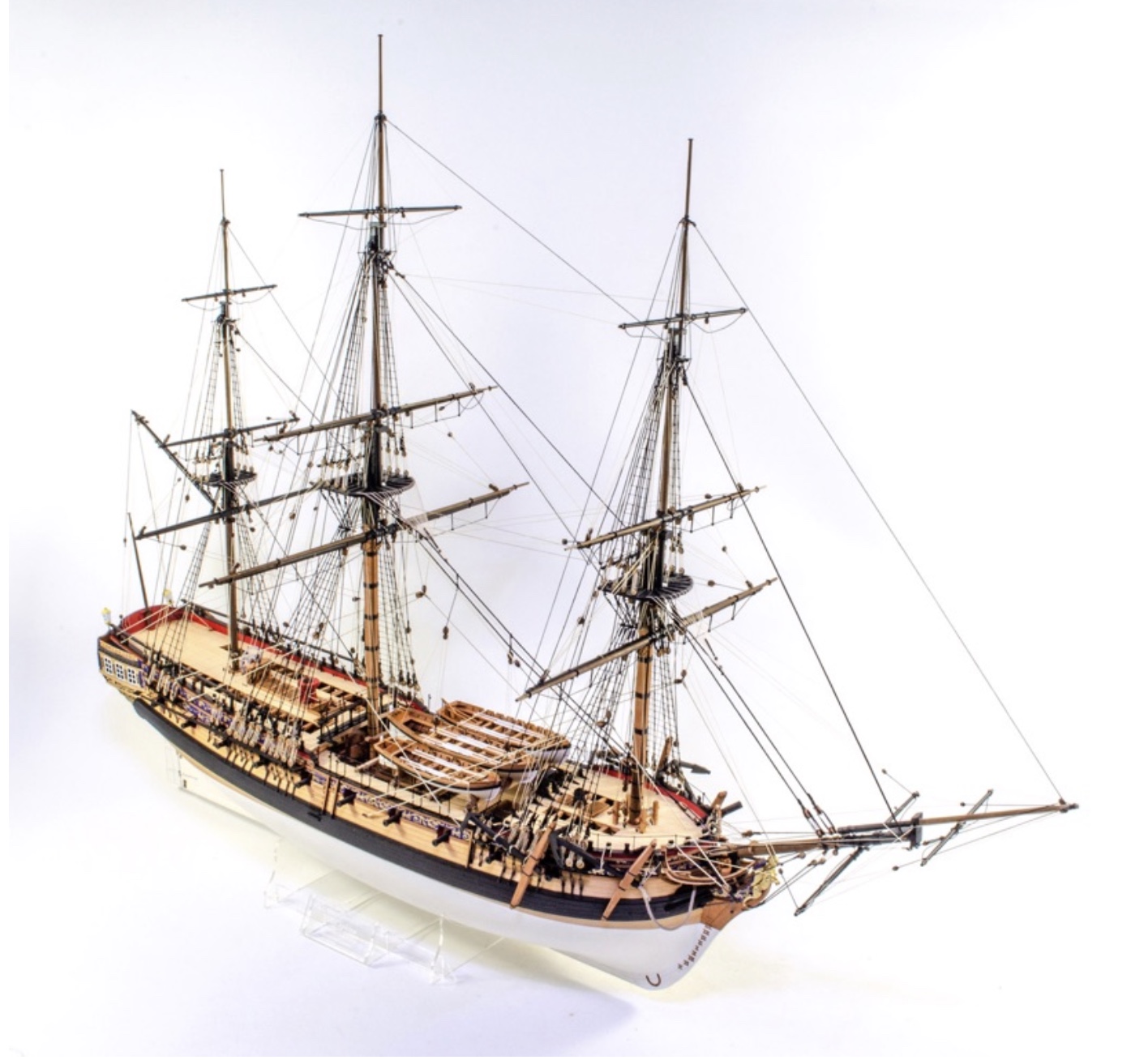
Graeme commanded the Sphynx ( a 20 gun frigate) from January to November of 1778. He had command of 125 men.

Model of Sphinx

He was commissioned Lieutenant in 1767 and served on ships in the Leeward Island. With the end of the Six Year War, Graeme was on active duty occasionally. In October of 1765 he took command of a 10 gun schooner and saw duty off of Newfoundland and the Irish Coast. By 1771 he was again unemployed. In 1774 he became second Lieutenant on the flagship of the North American fleet. He was promoted to Commander in 1775. He participated in the 1776 occupation of Newport and was stationed in the Sakonnet Passage before taking command of the Sphinx. Graeme continued service on and off until his retirement as Admiral in 1804.

Friedrich Wilhelm von Lossberg – 1720-1800

Commanded 2119 men at Battle of Rhode Island

Originally from Hessen-Kassel, von Lossberg was sent to American to command a Fusilier Regiment. Fusilliers were infantry soldiers equipped with a fusil, an early flintlock musket. On December 7, 1776 Col. von Lossberg’s troops were among those that landed in Newport to occupy Aquidneck Island. In May of 1778 he was promoted to Major General, second in command of the Newport garrison. He served in America until the end of the war in 1783.

Von Lossberg

John Hattendorf’s book – The Battle of Rhode Island in 1778 – is a great source of biographical material on those on the British side of the Battle of Rhode Island.

A British Account of the Battle of Rhode Island : From the diary of 17 year old Peter Reina

Leave a comment

I collect eyewitness accounts of the Battle of Rhode Island. As I searched through my own local history collection, I came across an account I don’t remember reading. It is a transcription by John Millar of the diary of a Peter Reina, a young British soldier in the Battle of Rhode Island. Millar transcribed the diary from photocopies sent to him by an English descendent of Peter and the transcription appeared in the August, 1979 edition of the Rhode Island History Magazine.

Map drawn by S. Lewis, engraved by Benjamin Jones. Philadelphia 1807

Although the transcription begins with the arrival of the French fleet, I am going to share just the portion on the Battle of Rhode Island. It is interesting to have another British view to contrast the American diaries, Order Books and letters we have for research.

“Reports arriving by deserters: the enemy were retreating to the north end of the Island. The Commander in Chief, Sir Robert Pigot, on the morning of the 29th ordered the Light Infantry and Grenadiers with Brown’s and Fanning’s Corps to march out of their lines and attack them, as were the 22nd, 43rd with the Hessian and Anspach Corps from Easton’s Beach.

They marched without opposition for some miles till meeting with a considerable body of the enemy on Quaker Hill. A severe fire took place; the van of our small army, for some time being not supported by the rear, suffered considerably, but the foreign troops advancing to support of the 22nd and 43rd, the Rebels were repulsed and drove from their works with considerable slaughter on their part. They then took post on Windmill Hill, an eminence commanding every other and very strongly defended.

Our troops took post on Quaker’s Hill. Great numbers of wounded coming into the Town gave the Rebels there no small satisfaction; their countenances shew’d it while they at the same time seek’d to administer relief.

The Sphynx 20 gun ship and Vigilante galley which arrived on the 27th, were sent up the River to cut off the retreat of the Rebels, but they could not effect it, not getting past the batteries at Bristol Ferry.

However, the Rebels being quite dispirited by the loss of their Allies, they could not remain longer, and on the night of Sunday 30th totally evacuated the Island to our great satisfaction and ease.

Thus ended Mr. Sullivan’s third expedition on Rhode island, much to his dishonor and disgrace to his magnanimous allies, who with 25,000 men and a fleet of 12 ships of the line made a shameful retreat from before a small army not exceeding 6000 troops, and those but ill provided with artillery.”

Note: John FItzhugh Millar was very active in researching Rhode Island Revolutionary history in the timeframe of the bi-centennial.