I am working on new projects that have me looking at the whole of Rhode Island’s Revolutionary experience and those Rhode Islanders who played major roles in the action. Most of my research has been on the Rhode Island Campaign, the Battle of Rhode Island and the French role in converting Butts Hill into a proper fort. The general picture of rebellious Rhody is new ground for me. Timelines published in the Newport Mercury by John Millar and his book – Rhode Island: Forgotten Leader of the the Revolutionary Era, are helping me to focus on the larger picture.
Stephen Hopkins: 1707-1785
Lawyer, merchant, politician and co founder of Brown University.
28th, 30th, 32nd, and 34th Governor of the Colony of Rhode Island and Providence Plantations,
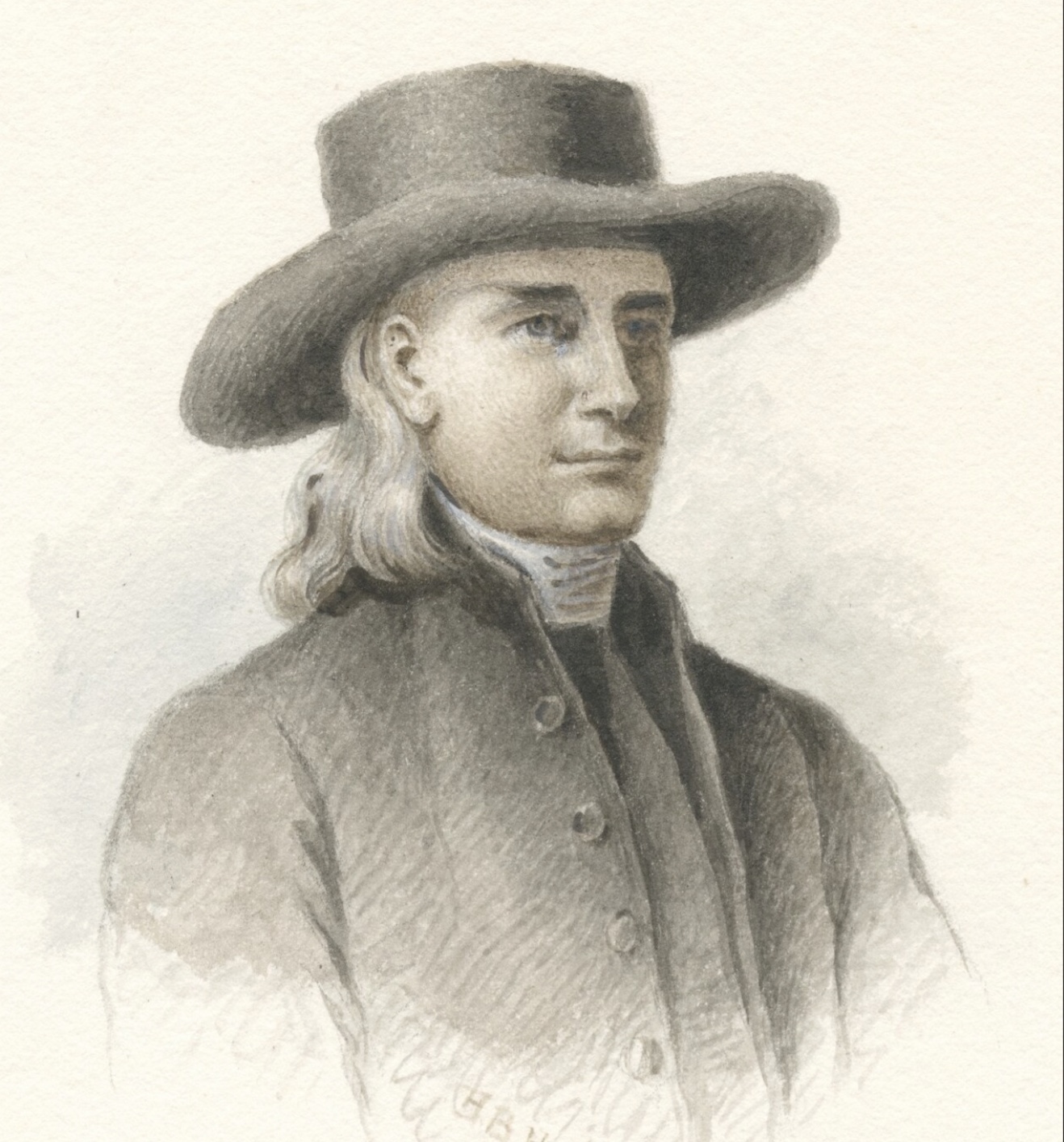
Represented Rhode Island Island at the Albany Congress of 1754 where he pressed for union of the colonies.
Wrote the Rights of Colonies Examined in 1764 which held that Britain’s authority over the colonies had little basis. This was in response to the Sugar Act.
In 1772, when the British vessel Gaspee was attacked and burned, Chief Justice Hopkins refused to sign the court order to arrest those responsible.
Delegate to the First and Second Continental Congress where he introduced bills to establish a navy. His brother Esek became the first admiral of the Navy.
Signer of the Declaration of Independence. Hopkins was frail and his hand shook, but the commented: “My hand trembles but my heart does not.”
Resources:
His house on Benefit Street in Providence is open to the public. http://www.stephenhopkins.org
Aisha Pierre’s Article on Stephen Hopkins as a Founding Father: https://rhodetour.org/items/show/284
“The Rights of the Colonies Examined”. Essay, 1764. From Teaching American History. https://teachingamericanhistory.org/document/the-rights-of-the-colonies-examined/ (accessed October 30, 2025).
 portsmouthhistorynotes