Home

Abraham Whipple and the First Naval Battle of the Revolution

Leave a comment

When and where was the first naval battle of the American Revolution? You might not be surprised to know that battle took place off of Newport. The date was the 15th of June in 1775, not long after the Colonial General Assembly enacted a resolution to charter and arm two vessels for the protection of trade on June 12, 1775.

In 1774, the British frigate, the Rose, under the command of Sir James Wallace, was sent to Narragansett Bay in Rhode Island. The Rose was successful in ending the smuggling that had made Newport wealthy. John Brown and other leading merchants advocated for the protection of Rhode Island trade. The Rhode Island Assembly directed the committee of safety to charter two vessels for protection. This action created the Rhode Island Navy, the first American Navy of the Revolution.

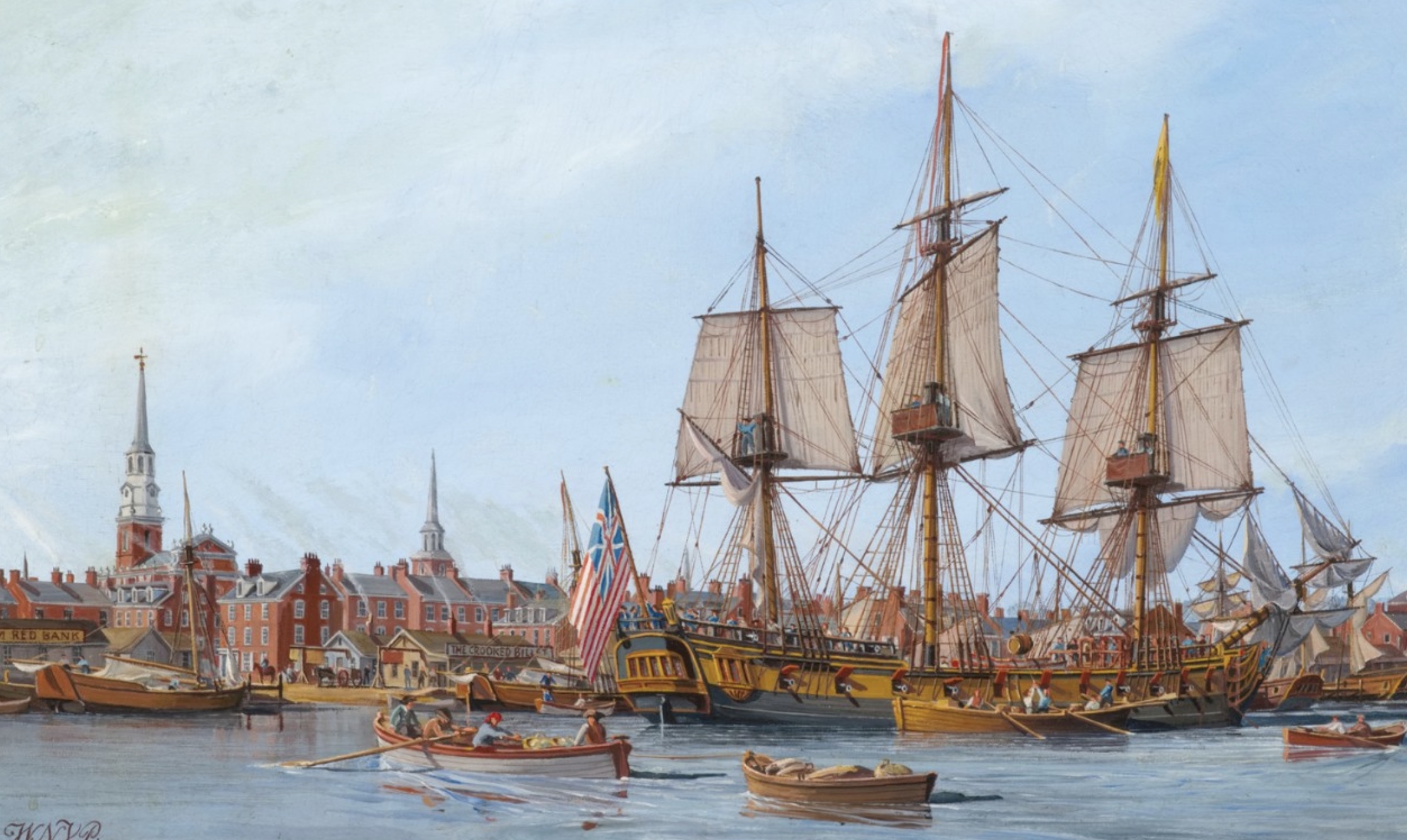
Merchant Brown chartered one of his sloops, the Katy, to this new Navy. Abraham Whipple, one of Brown’s best captains, assumed command of the Katy and a smaller vessel – the Washington. As the new commodore, Whipple lost no time in trying to clear the smaller ship tenders of the Rose from their positions in Narragansett Bay. Whipple had more fire power than the tenders and he was able to fire on the sloop Diana and take her as a prize on June 15, 1775. This was the first naval engagement of the Revolutionary War.

Whipple towed the Diana back to Providence and when the Rose sailed up the Bay to investigate what happened to the Diana, Newport citizens were able to recapture five out of the six Newport merchant ships that Wallace had confiscated.
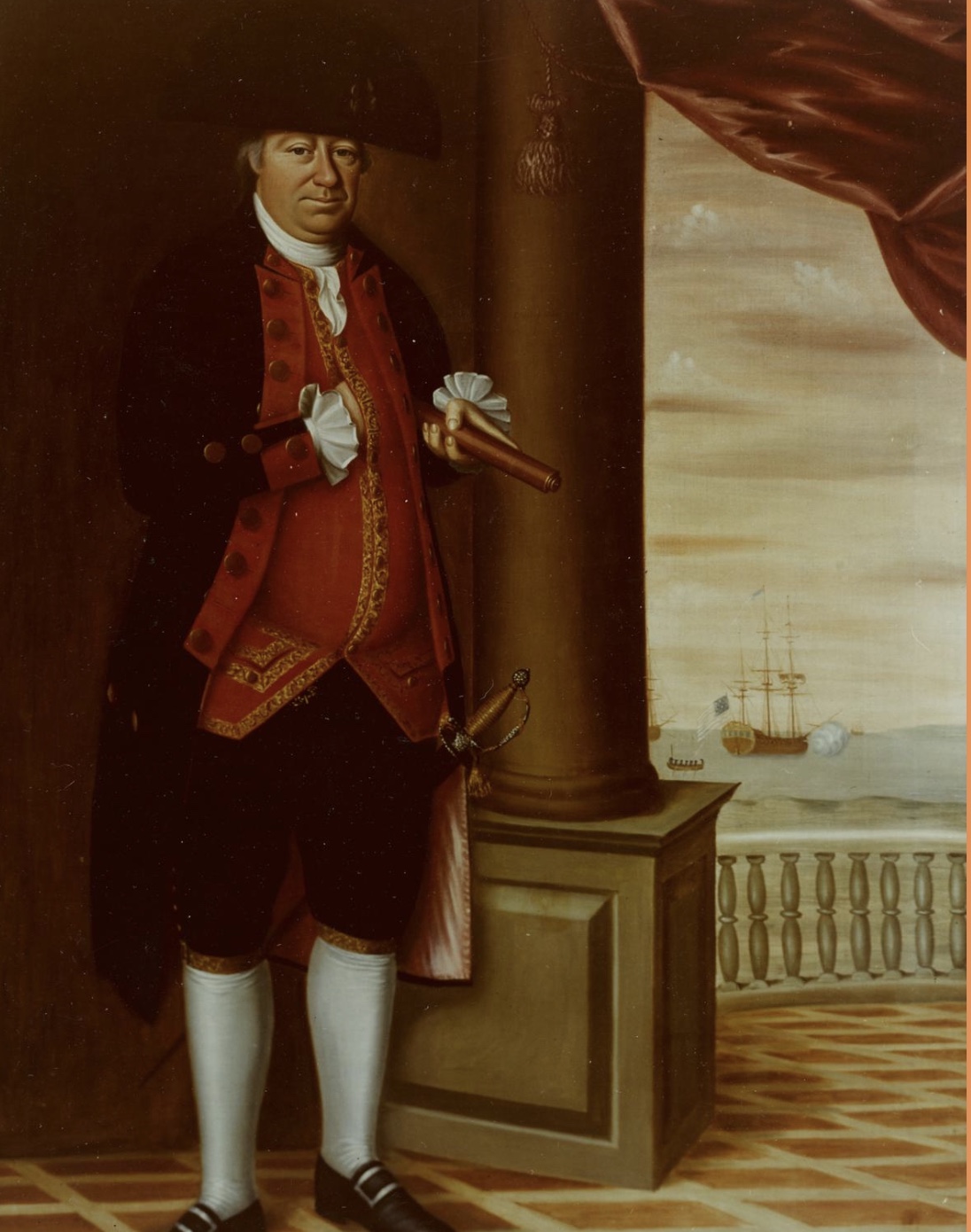
Abraham Whipple portrait by Edward Savage

The new Rhode Island Navy was not powerful enough to take on the British frigate Rose, so the Rhode Island Assembly instructed their delegate to Congress, Stephen Hopkins, to introduce a bill to create the national navy. Congress passed the bill on Octber 13, 1775. The Katy (owned by John Brown) became the first ship of the Continental Navy and was renamed the Providence.
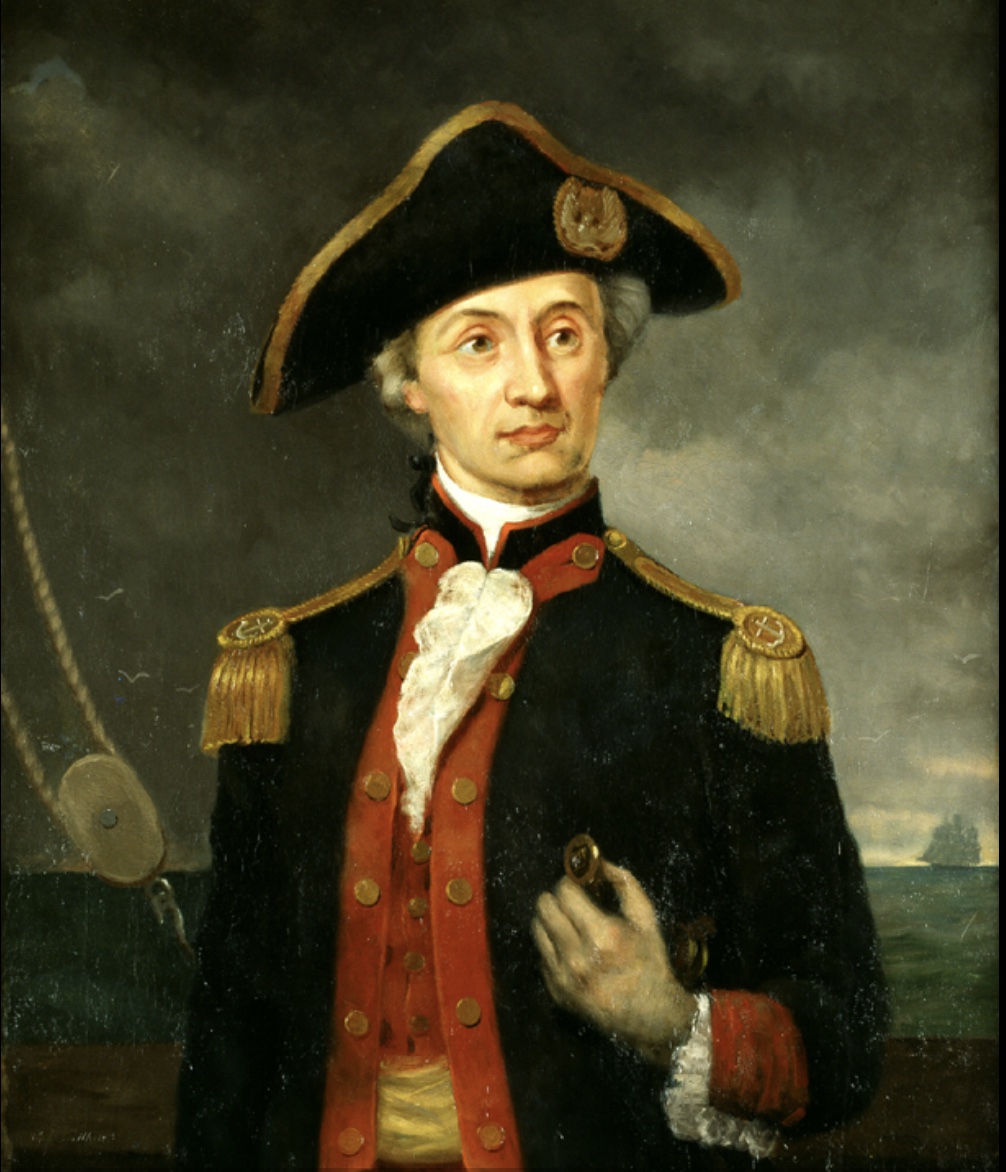
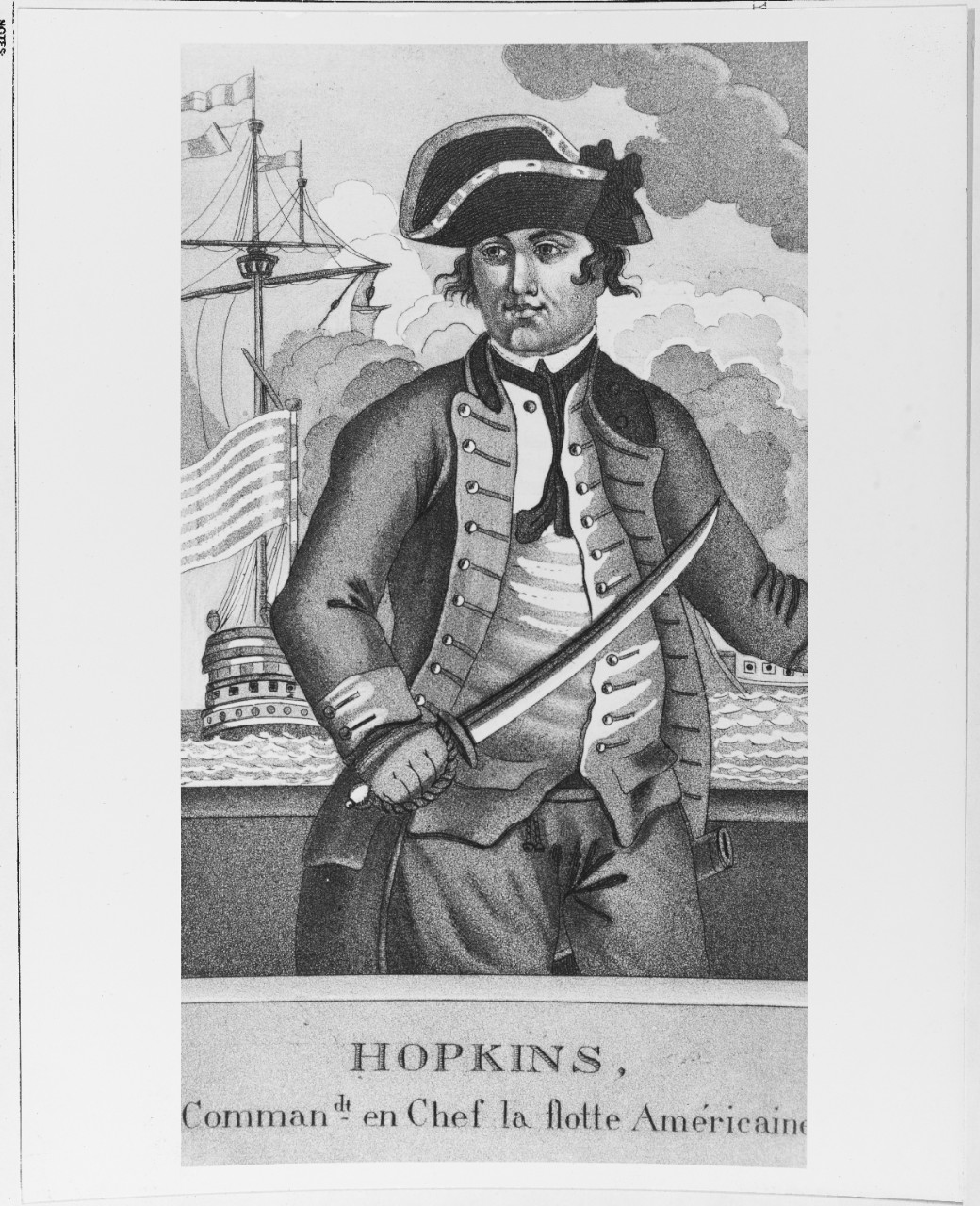
John Paul Jones Describes the Action during the Battle of Block Island

Leave a comment

April 6, 1776 was the date of the Battle of Block Island, Rhode Island. This was an early battle (before the Declaration of Independence) for Esek Hopkins, commander in chief of the new Continental navy. It was considered a victory for the British because the British ship Glasgow was able to get away from the Americans. Hopkin’s fleet was returning from a successful raid on the town of New Providence on Nassau island in the Bahamas. The Americans seized eighty-eight desparately needed cannon, fifteen mortars, thousands of roundshot (types of cannon balls), other artillery implements and some gunpowder. The American ships spotted and gave chase to the HMS Glasgow, commanded by Captain Tryingham Howe. The Glasgow fired and hit the American flagship USS Alfred and disabled it. On April 7, 1776 American ships began dropping anchors off New London, Connecticut. Commodore Hopkins and the other commanders were criticized for their actions in the battle and even for their decisions to go to the Bahamas. This mission was controversial and marked the beginning of Hopkin’s downfall. The debate was over the nature of the orders Congress had given Hopkins before the raid.

John Paul Jones’s narrative of the action in the Alfred’s log-book gives details:

“At 2 A.M. cleared ship for action. At half past two the Cabot, being between us and the enemy, began to engage and soon after we did the same. At the third glass (a time reference) the enemy bore away and by crowding sail at length got a considerable way ahead, made signals for the rest of the English fleet at Rhode Island to come to her assistance, and steered directly for the harbor. The Commodore then thought it imprudent to risk our prizes, &c. by pursuing farther; therefore, to prevent our being decoyed into their hands, at half past six made the signal to leave off chase and haul by the wind to join our prizes. The Cabot was disabled at the second broadside, the captain being dangerously wounded, the master and several men killed. The enemy’s whole fire was then directed at us and an unlucky shot having carried away our wheel-block and ropes, the ship broached to and gave the enemy an opportunity of raking us with several broadsides before we were again in condition to steer the ship and return the fire. In the action we received several shot under water, which made the ship very leaky; we had besides the mainmast shot through and the upper works and rigging very considerably damaged.”

Rhode Island Privateers: Isaac Field and the Eagle

Leave a comment

By Richard and Gloria Schmidt

In 1776 the navy of Great Britain was the most powerful in the world. How could Americans compete on the seas? States outfitted some vessels of War and Congress established a navy, but it was woefully inadequate to meet the needs of the Americans. The Patriots turned to a long established practice of issuing commissions to ship owners to authorize them to attack and seize merchant ships and warships of the British. If the privateers were successful they got to keep profits from the cargo and possible sale of the vessels they seized. The proceeds would be shared by the owners and the crew. Sometimes the state or national government received a small share as well. The primary objective was to disrupt trade and encourage British ship owners to call for an end to the war.

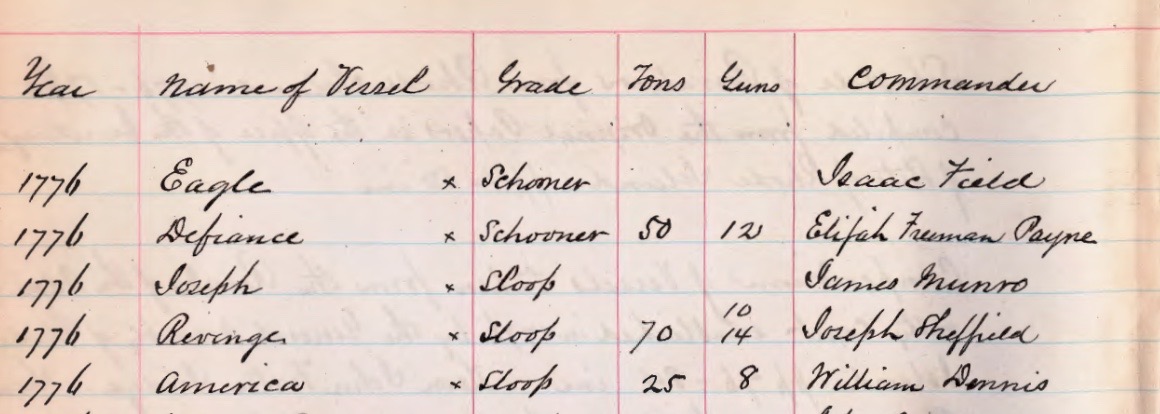
In the archives of the State of Rhode Island is a copy of the 1776 privateer commission of Isaac Field and his ship the Eagle. We have tried to transcribe the document.

Form of a Privateering Commission 1776

That we have granted and by these points do grant and authority to Isaac Field, mariner, commander of the schooner called the Eagle of the (_) of sixty tons or there about(s) belonging to John Matthewson and others of Providence in the colony of Rhode Island and mounting ten carriage guns and (-) by sixty-five men to fit out and set forth the said schooner in a warlike manner and by and with the said schooner and the crew thereof by force of arms to attack ships and take the ships and other vessels belonging to the inhabitants of Great Britain or any of them with their tackle, apparel, furniture and loadings on the high seas in between high water and low water marks and to bring the same to some convenient ports in the said colony in order that the courts which are, or shall be there appointed to hear and determine cases civil and maritime, may process in due form to condemn the said captures if they be judged lawful prizes, the said Isaac Field having given and with sufficient sureties that nothing be done by the said schooner or any of the officers, mariners or company thereof, contrary to or inconsistent with the —-? and customs of nations, and the instructions a copy of which is herewith delivered to him and we will and require all our officers whatsoever to give succor and assistance to the said Isaac Field in the promissary this commission shall continue in force until the Congress shall issue orders to the contrary.

By order of the Congress – John Hancock, President
Dated at Providence in the state of Rhode Island and opened under my hand and the seal of the said state the twenty-seventh day of September in the year of our lord one thousand seven hundred and seventy-six Nicholas Cooke, Governor.

By his honor (_). William Mumford, Secretary

Thomas Fleming Day wrote in a Naval Journal in 1911.

“More than two hundred privateer commissions were issued by Rhode Island in the revolution, and not less than one hundred and ninety-three privateer cruises were successfully begun from Narragansett Bay. In November, 1776, John Paul Jones, when in command of the sloop of war Alfred, tried to enlist men at Newport but could get none, as they preferred privateering. The privateer Eagle, Captain Isaac Field, had sailed the day before and anchored at Tarpon Cove. Jones, sailing down Vineyard Sound, saw her, laid alongside and took twenty-four men out of her to force to make up the Alfred’s complement.”

Isaac had a short career. He later became captain of the Industry. He died in June of 1778 and is buried at Swan Point Cemetery.

Sources:

The Rudder, Edited by Thomas Fleming Day, 1911

Rhode Island Archives: List of Privateers.

https://sosri.access.preservica.com/archive/sdb%3AdeliverableUnit|bbb7b797-e39c-4afc-a1ab-b3d6e59e830b

The Many Lives of the HMS Flora

Leave a comment

I am working on a tour of sites in Portsmouth that saw action in the Battle of Rhode Island. The top of Quaker Hill is one such site. Some historians even use the term “Battle of Quaker Hill” because of the heavy action at this place. British soldiers converged on this crossroads from East Main, Middle Road and Hedly Street. Americans were holding their line at that position.

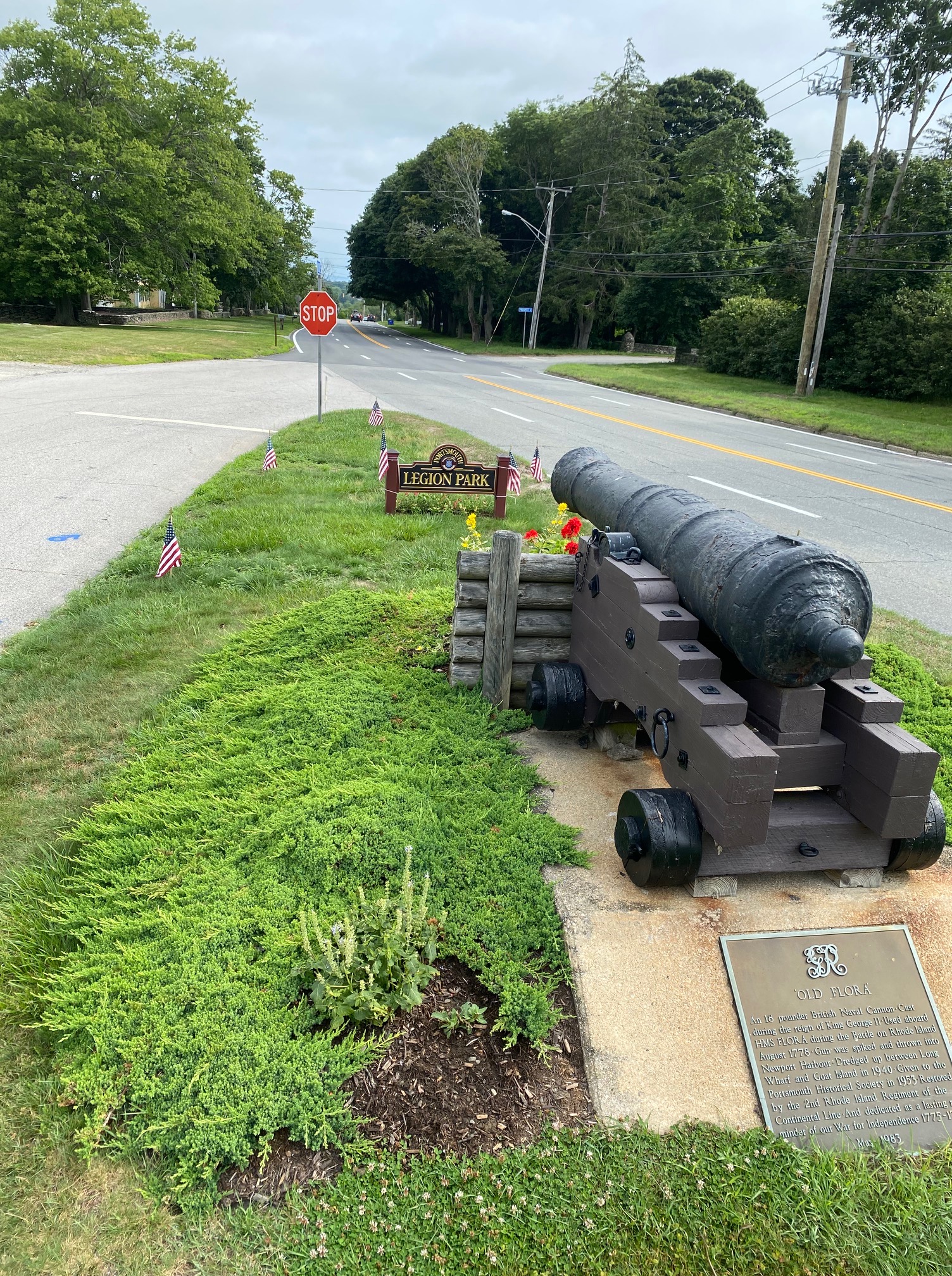
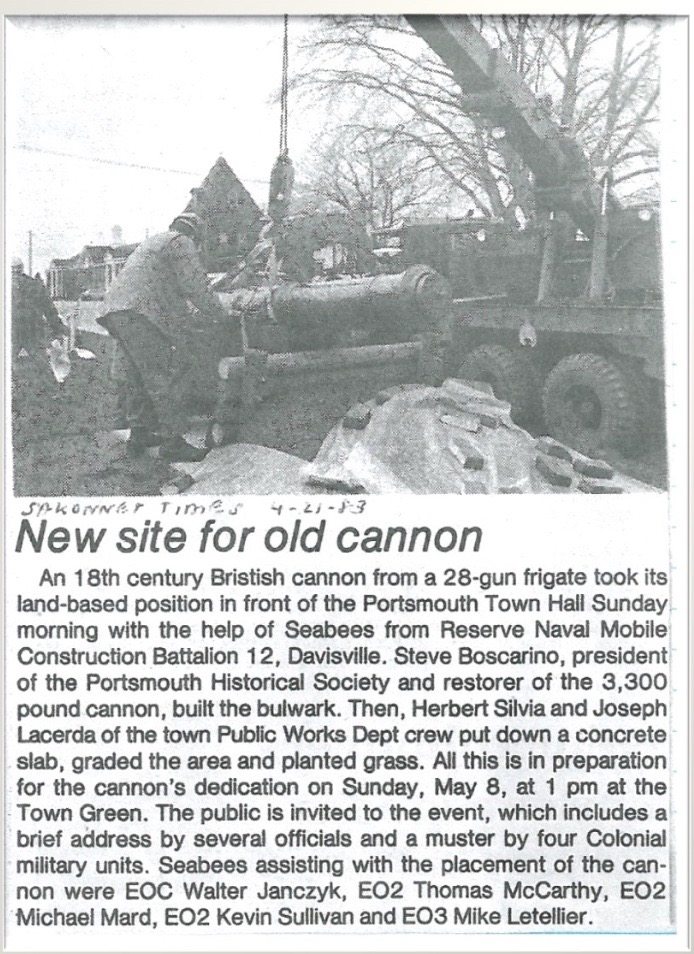
What Revolutionary Era sites can you still see today? The Friends Meeting House is an important landmark that was used by the British and Hessians as a hospital, barracks, and ammunition storehouse. The stonewalls are there to remind us of the American style of warfare in which the Patriots hid behind the walls in what we would call guerilla warfare aimed at harassing and delaying the British. In Legion Park across from the meetinghouse there is a cannon from the British ship Flora.

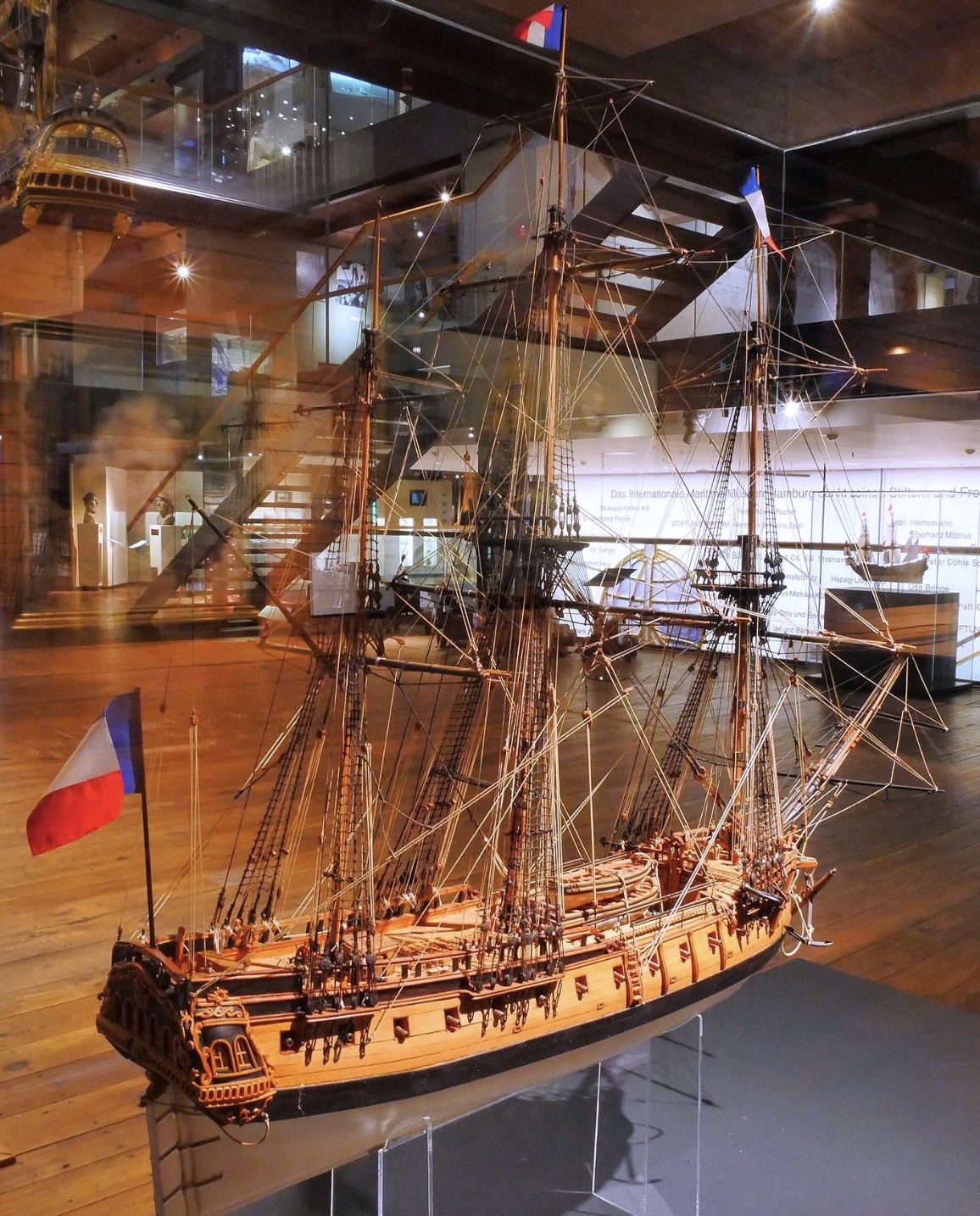
What is the story of the Flora? In researching why we have a ship’s cannon at Quaker Hill, I encountered the tale of a ship of many names and nationalities. According to an article by noted marine archaeologist D.K. Abbass, the Flora was a 698 ton, 32-gun Royal Navy frigate. Its original name was LaVestale and it was built by the French Navy in 1757. Once a ship was captured in those days, it was common practice for the vessel to be used in the navy of its captor. In 1761 the ship was captured by the British and was renamed the Flora. By 1776 the Flora was being used as a troop transport.

When the French fleet arrived in Newport in July of 1778, the British did not want the French to capture their ships. The British scuttled seven of their vessels and 13 of their transports were scuttled in the outer harbor. In Washington’s Wolfpack, the Navy before there was a Navy, author Edgar Maclay wrote that the Flora was heaved over on its side and beached for cleaning. It lay between Goat Island and Long Wharf in Newport until April of 1779 when she was raised again. The British used eight 12 pounders from the Flora on the newly outfitted HMS Pigot. The story of how American Silas Talbot outwitted the British on the Pigot is yet another story to tell. The British sank (and burned) the Flora again when they left Rhode Island in December of 1779. She was passed back and forth. 1784 – named “Reconaissance” (French), 1787 back to “Flora” (French), “Citoyenne Francaise” (a French pirate). By 1798 she was captured by HMS Phaeton and sent to the scrap heap.

Flora was not down at the bottom of the harbor, but at least one of her cannons was. In 1940 workmen repairing Long Wharf came across the cannon and the cannon is now displayed at Legion Park in Portsmouth.

A note about privateers: they are privately owned armed vessels, commissioned by a state to attack enemy ships, usually merchant ships. The privateers and their crews usually got the ship and a large percentage of the cargo they captured. Without a real Navy, Americans relied upon these privateers in maritime warfare.