As the threat of war intensified, the Rhode Island General Assembly passed a resolution on October 29, 1774 which listed militia forces which were to enlist men to fight against Crown forces. The Assembly had already ordered monthly militia drills and war preparations. The colony was actively organizing its militias in case of armed conflict.
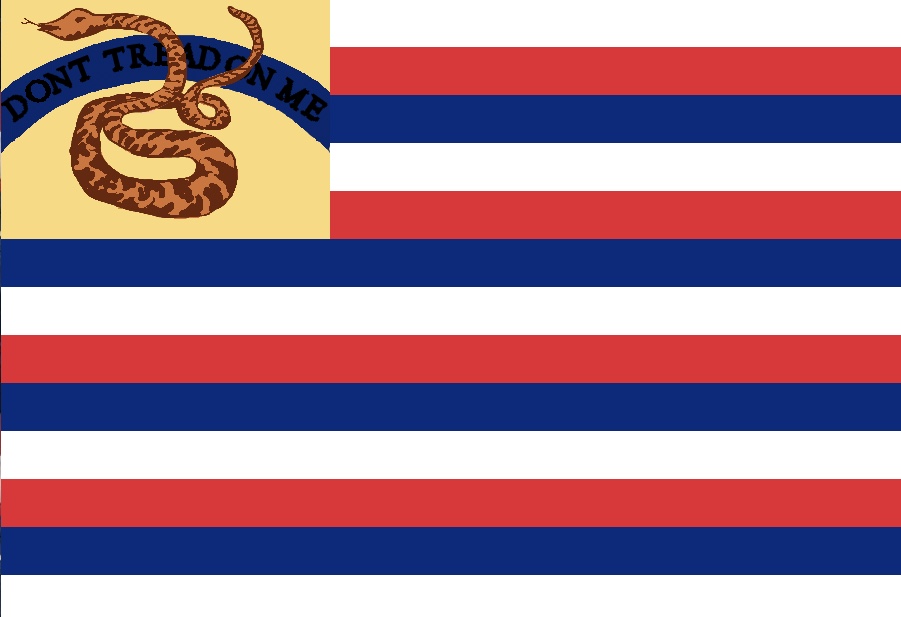
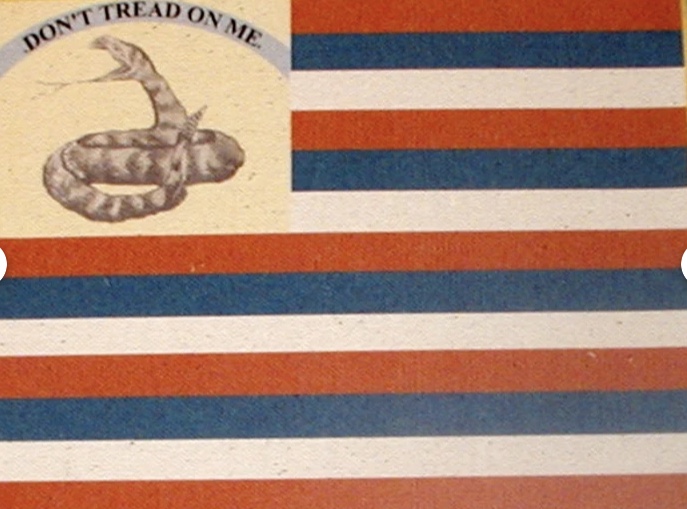
Among the independent companies were the Kingston Reds, Pawtuxet Rangers, Gloucester Light Infantry, Providence Fusiliers, Providence, train of Artillery, and more. Earlier, in September, the Kentish Guards had received their charter. There was renewed interest in the traditional militias and independent companies were formed or renewed. Independent companies – Smithfield, Cumberland, North Providence, Wickford, Tiverton, Newport and Portsmouth were active. The Assembly had to create a committee to examine requests for establishing independent military companies. In Jan. 1775, these companies were grouped to form the R.I. 1st and 2nd Regiments, to answer the call of the Continental Congress which required two regiments in each colony.
Kentish Guards
On September 24, 1774 the Kentish Guards were formed to protect the Town of East Greenwich from British attack. They were then charted by the RI Assembly in October 1774 to be an “elite” militia which took care of its own training and equipment. The Kent County Court House became the armory and they built Fort Daniel at the entrance of Greenwich Cove and equipped it with nine cannons.
The Guards took part in the Siege of Boston and 35 of its officers ultimately became officers in the Continental Army – including Nathanael Greene. When the British invaded Newport, the Guards went on continuous duty until 1781. They protected Warwick Neck, Prudence Island, Warren, Bristol, Tiverton, and Aquidneck Island. As American forces congregated at Tiverton under General Sullivan, Kentish Guard commander Col. Richard Fry led a regiment of Independent Militia Companies at the Battle of Rhode Island. During the summer of 1779, twenty-six of the Kentish Guard attacked Conanicut Island (Jamestown) and destroyed a British battery. The Guard moved on to Aquidneck Island when the British evacuated Newport and they guarded Sachuest (Second Beach). They were posted at Newport again in 1780 and 1781 to reinforce the French.


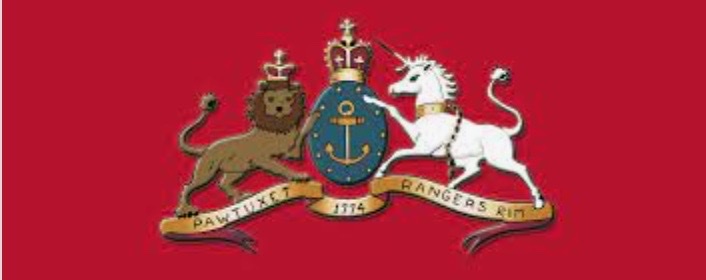
Pawtuxet Rangers
The Pawtuxet Rangers (Second Independent Company for the County of Kent) were among those chartered by the Colony of Rhode Island and Providence Plantations on October 29, 1774. There were two types of military units during the Revolutionary War – independent chartered commands (like the Rangers) and Continental Regulars. In the years before the beginning of the War for Independence, busy seaports like Pawtuxet were at the heart of the economy. Rhode Islanders began to resent British actions such as the Sugar Act (1764), the Stamp Act (1765) and the Townsend Acts (1767). These acts stifled the maritime trade of towns like Pawtuxet. Some Rhode Islanders reacted with acts of defiance like the burning of the Gaspee in Pawtuxet in 1772. The Rangers first duties were to defend the bustling town of Pawtuxet, but they were expanded to include the construction and manning of a fort and the protection of 400 miles of the Rhode Island coastline from the Royal Navy.
With the British Occupation of Aquidneck Island (Rhode Island), the Rangers were kept busy. Besides guarding Pawtuxet, they were on duty on Prudence Island, Newport, East Greenwich, Bristol and Warwick Neck.
One pension request from a veteran Ranger states: “It was the duty of said company always to be in readings to march to whatever station it was commanded either by the Governor or the General of the Army having the command in Rhode Island. It also had the principal charge of a fort built in said village of Pawtuxet to repel incursions of the enemy which were very frequent during the time the British were in possession of Newport. While Rhode Island was in the theater of War, frequent & daring incursions were made all along the shores of Narragansett Bay by the enemy for the purpose of plunder and this Corps never failed to be among the foremost to repel them.”
Members of the Rangers served in the Battle of Rhode Island, the Battle of Saratoga and the Siege of Boston.
Kingston Reds
Like many of the ancient military units, the Kingston Reds were founded just before the start of the American Revolution. They were also created by an act of the Rhode Island Assembly in October 1775. Kingston was a wealthy port town at the time and the Kingston Reds were outfitted with uniforms of red coats, white shirts, white waistcoats, white breeches, long stockings, tricorn hats and dark buckled shoes.
They were part of the 3rd Kings County Regiment of Militia during the War for Independence. With other coastal militia groups, they shared the task of guarding Rhode Island’s long coast. They were active in battle at Little Rest Hill and the Battle of Rhode Island.
 portsmouthhistorynotes