Home

Abraham Whipple and the First Naval Battle of the Revolution

Leave a comment

When and where was the first naval battle of the American Revolution? You might not be surprised to know that battle took place off of Newport. The date was the 15th of June in 1775, not long after the Colonial General Assembly enacted a resolution to charter and arm two vessels for the protection of trade on June 12, 1775.

In 1774, the British frigate, the Rose, under the command of Sir James Wallace, was sent to Narragansett Bay in Rhode Island. The Rose was successful in ending the smuggling that had made Newport wealthy. John Brown and other leading merchants advocated for the protection of Rhode Island trade. The Rhode Island Assembly directed the committee of safety to charter two vessels for protection. This action created the Rhode Island Navy, the first American Navy of the Revolution.

Merchant Brown chartered one of his sloops, the Katy, to this new Navy. Abraham Whipple, one of Brown’s best captains, assumed command of the Katy and a smaller vessel – the Washington. As the new commodore, Whipple lost no time in trying to clear the smaller ship tenders of the Rose from their positions in Narragansett Bay. Whipple had more fire power than the tenders and he was able to fire on the sloop Diana and take her as a prize on June 15, 1775. This was the first naval engagement of the Revolutionary War.

Whipple towed the Diana back to Providence and when the Rose sailed up the Bay to investigate what happened to the Diana, Newport citizens were able to recapture five out of the six Newport merchant ships that Wallace had confiscated.

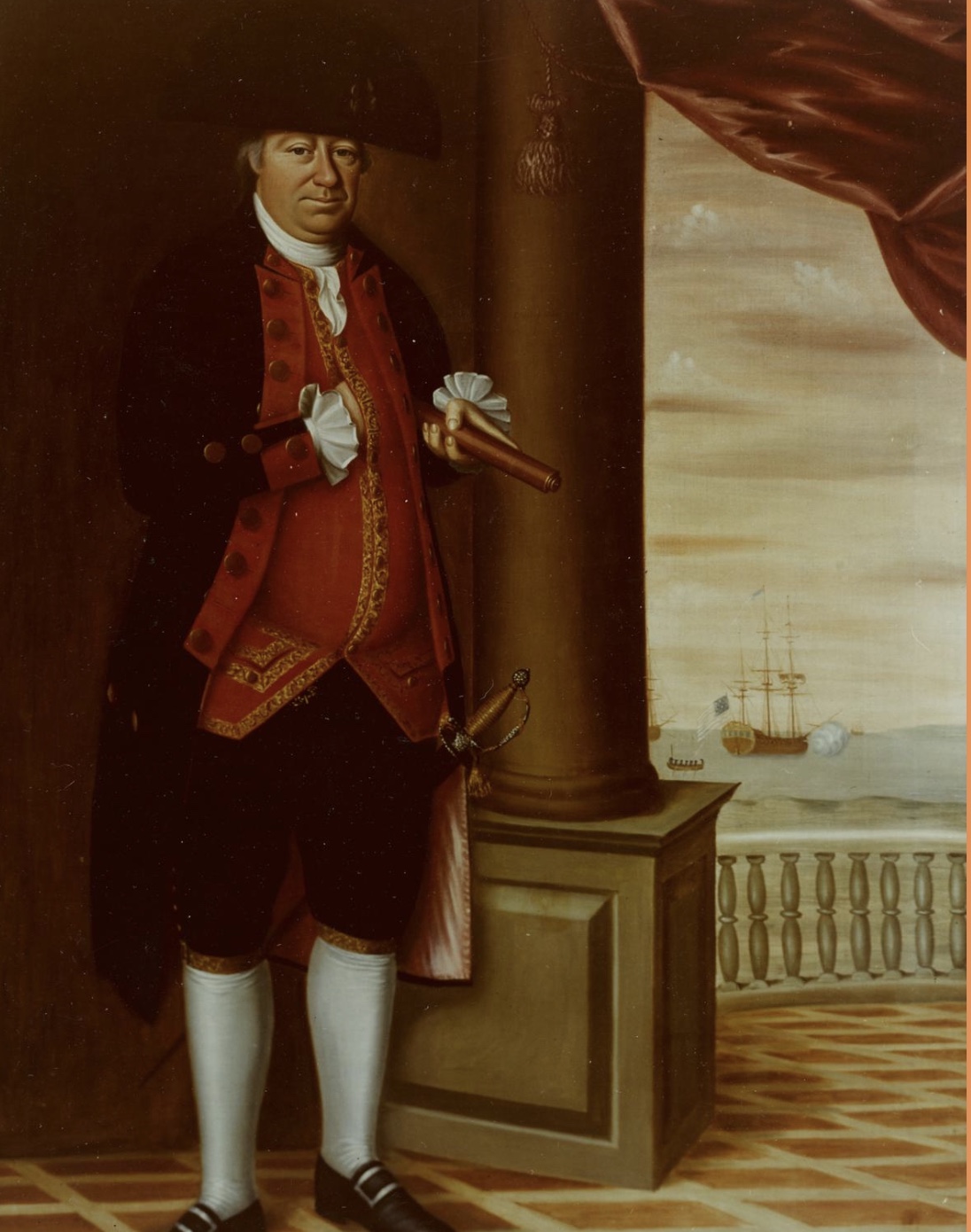
Abraham Whipple portrait by Edward Savage

The new Rhode Island Navy was not powerful enough to take on the British frigate Rose, so the Rhode Island Assembly instructed their delegate to Congress, Stephen Hopkins, to introduce a bill to create the national navy. Congress passed the bill on Octber 13, 1775. The Katy (owned by John Brown) became the first ship of the Continental Navy and was renamed the Providence.

The Gaspee Affair – Protesting the Navigation Acts

Leave a comment

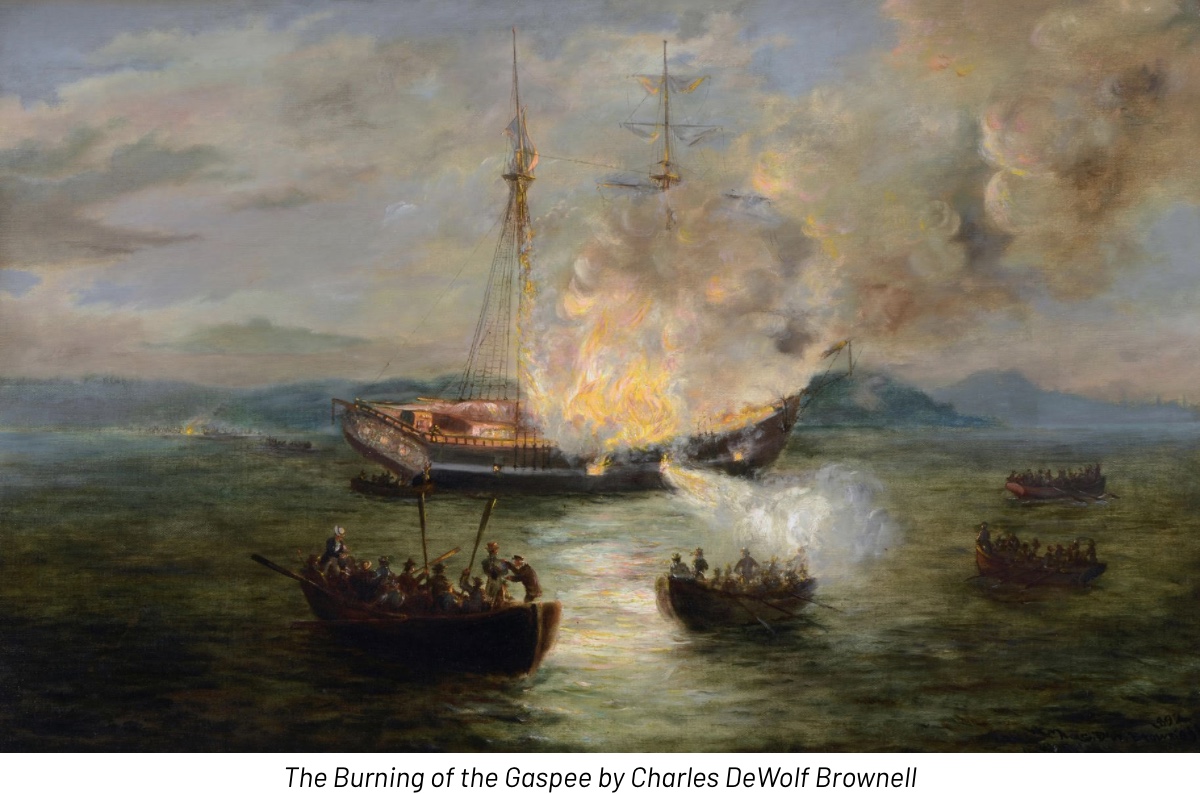
The burning of the British vessel, the HMS Gaspee on June 9, 1772 was a protest to the British Navigation Acts. In the colonies the Navigation Acts were meant to force Americans to only trade with the British Empire. The Rhode Island economy was based in trade with the wider Atlantic. Just selling to the Empire was not enough for their molasses trade. That created a tension with the colonies (and Rhode Island in particular) and led to an increase in piracy and smuggling.

The acts permitted the customs inspectors to board any colonial ship. In February of 1772, William Duddingston, the commander of the HMS Gaspee, arrived in Rhode Island. He used this permission to search any vessel as he saw fit. Merchants objected to his searches and seizures of their goods. The local Sons of Liberty, looked for an opportunity to retaliate.

Their chance came in June 1772. The HMS Gaspee was alone and without a local pilot, but it chased a local boat called the Hannah . The Hannah could manage the shallower water, but the Gaspee ran aground. The Gaspee would be released by the tide early the next morning,. While the ship was in a vulnerable position, the Sons of Liberty rowed out and attacked the crew. Captain Duddingston was wounded. After all crew members were taken off the ship, the Sons of Liberty set fire to the Gaspee.

The event was too blatant to ignore and Parliament wanted prosecution of the attackers. Some famous names associated with the attackers are John Brown, Abraham Whipple and Ephraim Bowen. Although there was reward money offered, Rhode Islanders refused to cooperate with the British and no one was ever prosecuted. Duddingston, however, was courtmartialed.

This event led to the Committees of Correspondence, a network that united the colonies in their resistance to British rule.

Every year for 50 year the village of Pawtuxet (near Cranston and Warwick) celebrates this event with Gaspee Days and a Parade.

Resources.

Park, Stephen. The Burning of His Majesty’s Schooner Gaspee. Westholme, Yardley PA, 2013.

Secretary of State’s website: https://www.sos.ri.gov/divisions/civics-and-education/for-educators/themed-collections/gaspee-timeline

Newport’s Stamp Act Riots

Leave a comment

Newport had its mob scenes, especially in response to British taxes. The Stamp Act of 1765 was a tax on printed paper. All printed material in the colonies had to be produced on paper carrying a revenue stamp. Its aim was to pay for the costs of the Seven Year’s War AND to help cover the costs of Britain’s troops in the colonies. Americans saw the tax was “taxation without representation.” Stephen Hopkins had written a pamphlet – The Right of Colonies Examined – to oppose the Stamp Tax. Martin Howard of Newport wrote a pamphlet defending Parliament’s right to tax the colonists. Along with Howard, Stamp Act defenders were Dr. Thomas Moffat and Augustus Johnson, the Stamp officer.

August 26. 1765 a gallows was erected in Queen Anne Square. Effigies of the three Stamp Act defenders had been created and hung in the gallows. The effigies were guarded by William Ellery (who would sign the Declaration of Independence), Samuel Vernon and Robert Crook. These may have been leaders in the Sons of Liberty. A mob collected and after sundown the effigies were burned.

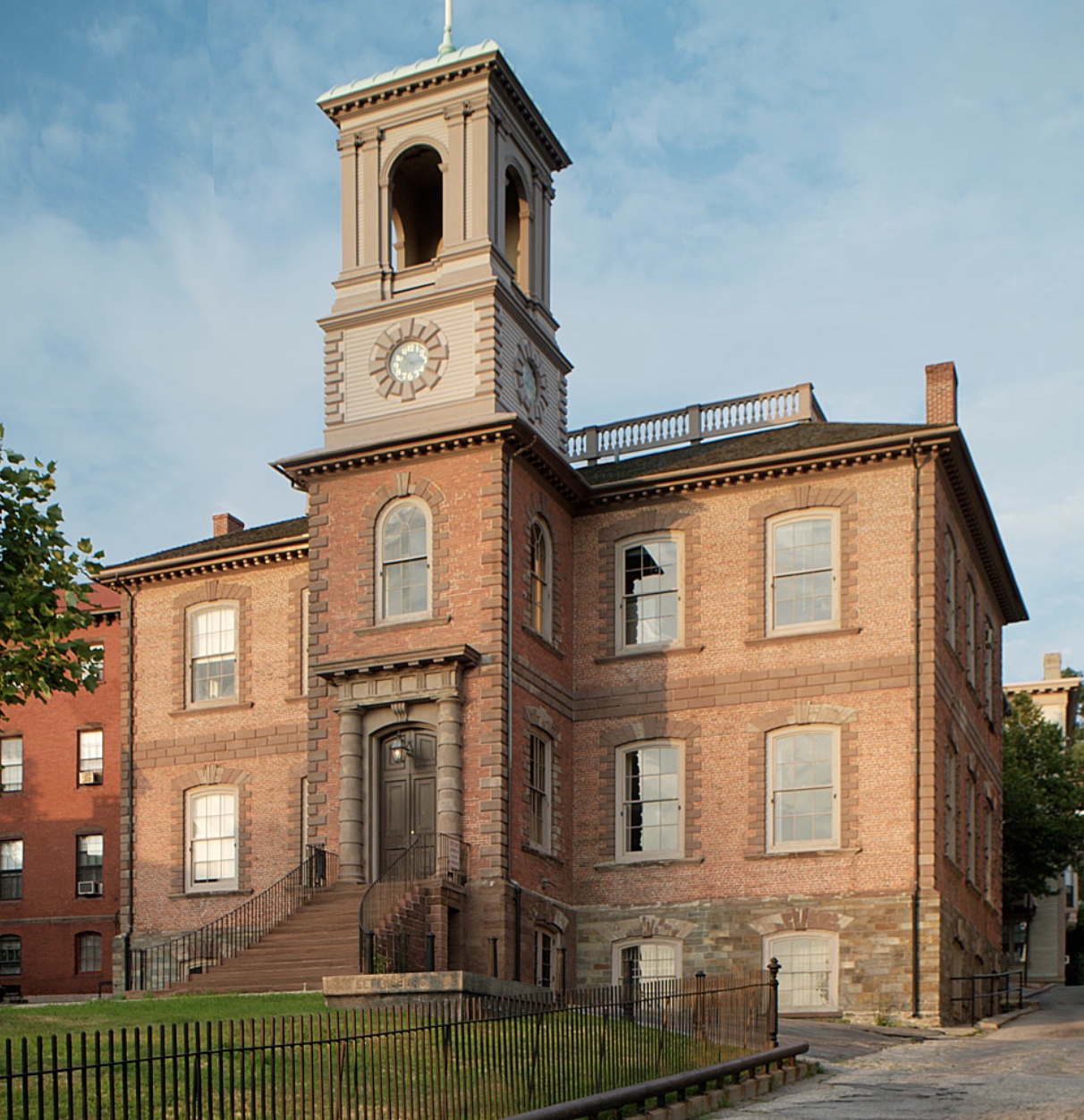
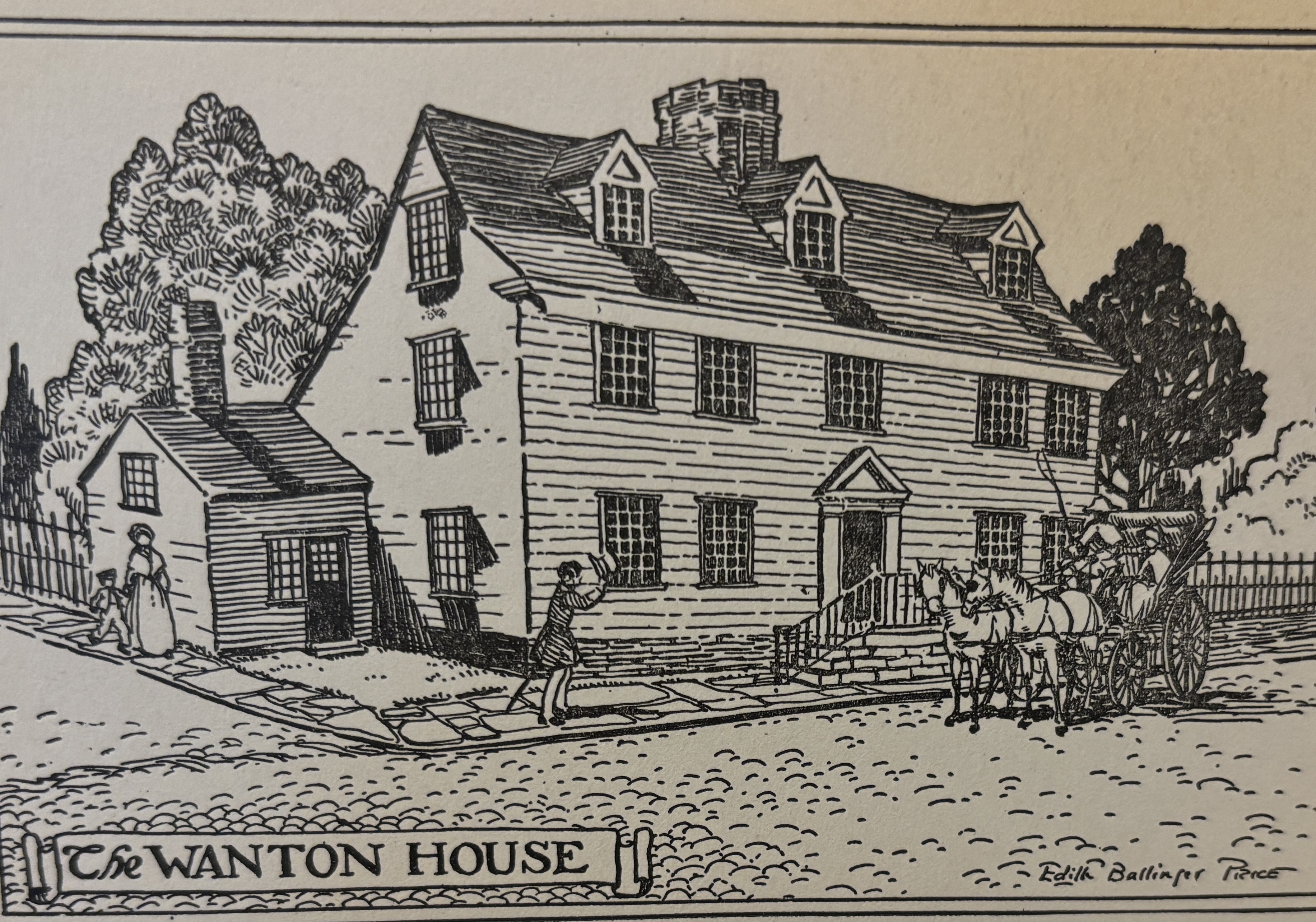
Wanton, Lyman, Hazard House was the Howard House at the time of the Stamp Act. Now property of the Newport Historical Society.

At 8 in the evening the ring leaders and a band of ruffians carrying axes and other tools, invaded Howard’s house. They demolished china, furniture, clothing and linens. They carried away his wines and liquors. They went back at 11 PM and destroyed most of the house before they headed to Dr. Moffat’s house which they also ruined. The three Stamp Act defenders had sought safety onboard the Man of War in the harbor. The crowd then surrounded the house of Stamp-Master Johnson, but since he had promised to resign his office, they didn’t carry out any destruction.

Howard and Dr. Moffat took a ship to England by the first of September.

In some circles Minister Ezra Stiles was accused of encouraging the mob. He wrote to Benjamin Frankin that while he had spoken against the Stamp Act, he always spoke against violence.

Resources:

Revolutionary Places: Stories from Vernon House in Newport – A Spy, A Patriot, A Black Regiment Soldier, and French Heroes

Leave a comment

The Spy: Metcalf Bowler

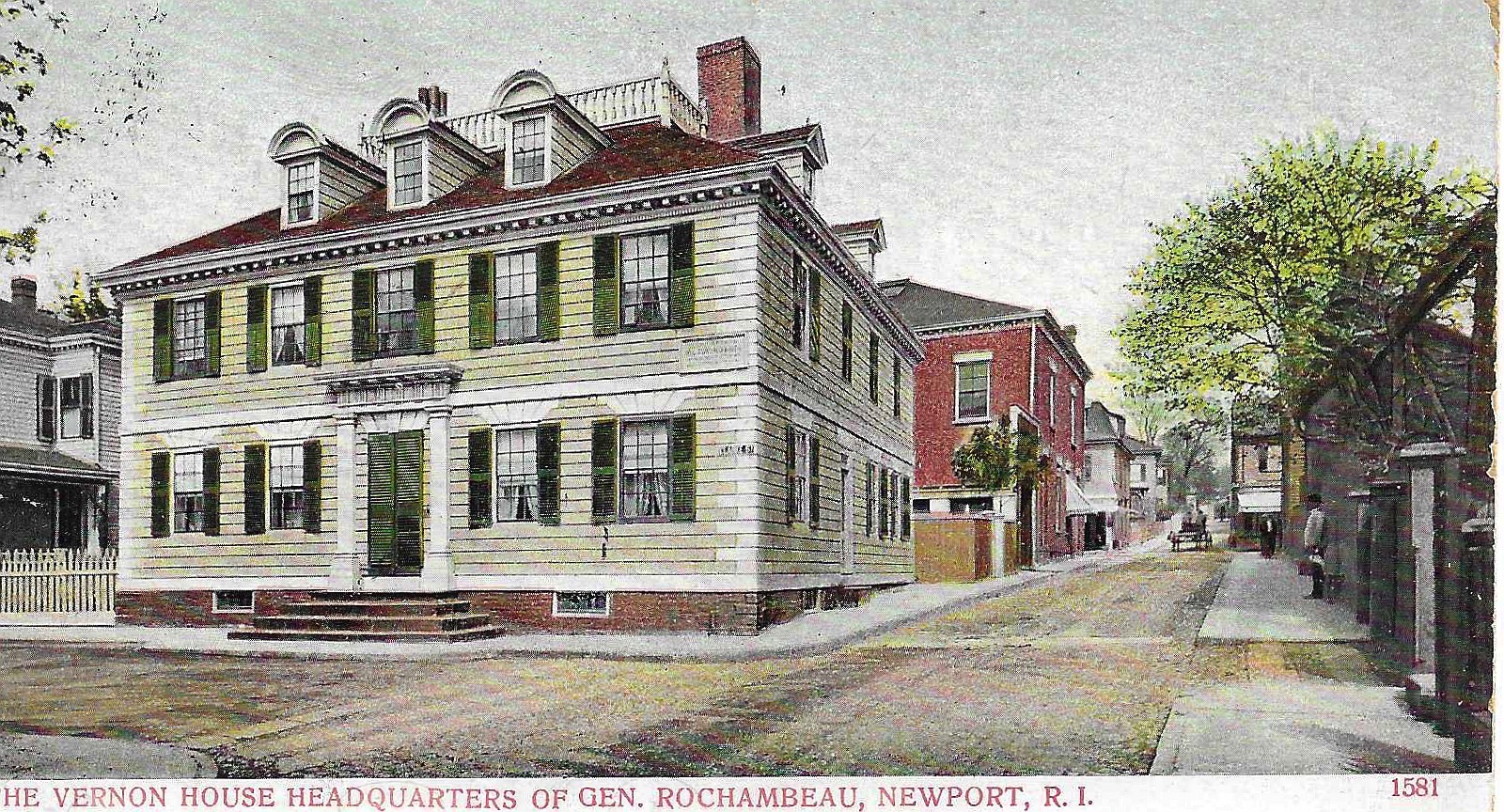
The Vernon House at 46 Clarke Street in Newport has special significance in the history of the Revolution in Rhode Island. It has connections to a British spy, an American war heroes and the French in Newport. It has a history dating from 1744, but the first owner with Revolutionary connections was Metcalf Bowler who bought the property from his father in 1759. Bowler was a noted merchant and judge, but we know now that he was also a British spy. He was concerned about his country estate in Portsmouth and hoped to salvage it from British destruction by providing information to British General Gates. In 1774 he sold the house on Clarke Street to William Vernon, a merchant and slave trader. Unfortunately for Bowler, his work as a spy did not protect his Portsmouth farm.

The Patriot: William Vernon

William Vernon and his brother Samuel were early supporters of the revolution, so when the British came to Newport, William fled Newport for Rehoboth, Massachusetts. Vernon moved to Boston and In 1777 Vernon was appointed by the Continental Congress as president of the Naval Board – a role resembling Secretary of the Navy. He was responsible for building and outfitting ships for the Continental Navy. He supported the Navy cause with his own money.

The Black Soldier: Cato Vernon

Cato Vernon was probably one of the two Black males aged under sixteen listed in the 1774 census as part of William Vernon’s household in Newport. By December of 1776 the British were in Newport and William Vernon had fled. In late 1776, Cato was working in East Greenwich as an apprentice to a ship carpenter.

On March 11, 1778, Cato enlisted in the First Rhode Island Regiment of Continentals (the famous “Black Regiment”). Cato may have enlisted without permission from William Vernon who was in Boston, but by law William was entitled to Cato’s value. Enlisting in the regiment for the duration of the war had the promise of securing freedom. The Black Regiment played a key role in the American retreat during the Battle of Rhode Island on August 29, 1778. The Regiment held back three charges of British allied Hessian troops and that was one factor enabling the Americans to get away to fight another day. Cato and the Black Regiment served all the way to the surrender at Yorktown.

Life was not easy for Cato after the war. In August 1793, Cato Vernon was in a Newport jail because he could not pay his debts. He wrote a letter from jail to William Vernon and there is a record of William Vernon paying that debt so Cato would be free.

The French in Newport

On July 11, 1780, the French Fleet arrived in Newport. The Comte de Rochambeau The commander in-chief of the French forces, used the house as his quarters and the headquarters of the French forces. Records show that on March 6, 1781 General George Washington slept at the Vernon House. On July 25, 1780. Lafayette remained in Newport with Rochambeau at Vernon House until July 31, 1780.

Resources:

Newport Restorations website on the Vernon House: https://www.newportrestoration.org/programs-initiatives/telling-stories-dispersed-monument/vernon-house/

Rhode Island Rebels: 1764 – 1769 Early Incidents – Before the Gaspee

Leave a comment

The St. John Incident: First shots

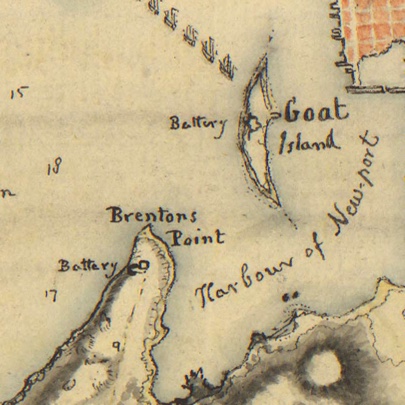
Fage map: Ft. George labeled as Battery on Goat Island.

In 1763 the British enacted a new trade policy which was aimed to clamp down on the smuggling out of Rhode Island. The British sent warships to Newport. One such warship was the custom schooner St. John. The crew of the St. John had been accused of stealing livestock and threatening to impress local seamen (forcing men to serve on British ships). On July 9, 1764 the Rhode Island Governor (Stephen Hopkins) and General Assembly ordered the gunner at Fort George on Goat Island to fire at the St. John. Accounts vary, but from eight to thirteen shots were taken. The St. John hurriedly left Newport Harbor without sustaining much damage. Some Rhode Islanders consider these the first shots fired in the Revolution.

The Maidstone Incident

June 4, 1765 the HMS Maidstone with Captain Charles Antrobus commanding, was on customs duty in Narragansett Bay.  The Maidstone’s Captain had impressed so many sailors that it effected the trade in Newport. A mob took the longboat from the ship and burned it in a town square.

The Liberty Incident

This is the account of the burning in the Boston Gazette – July 24, 1769.

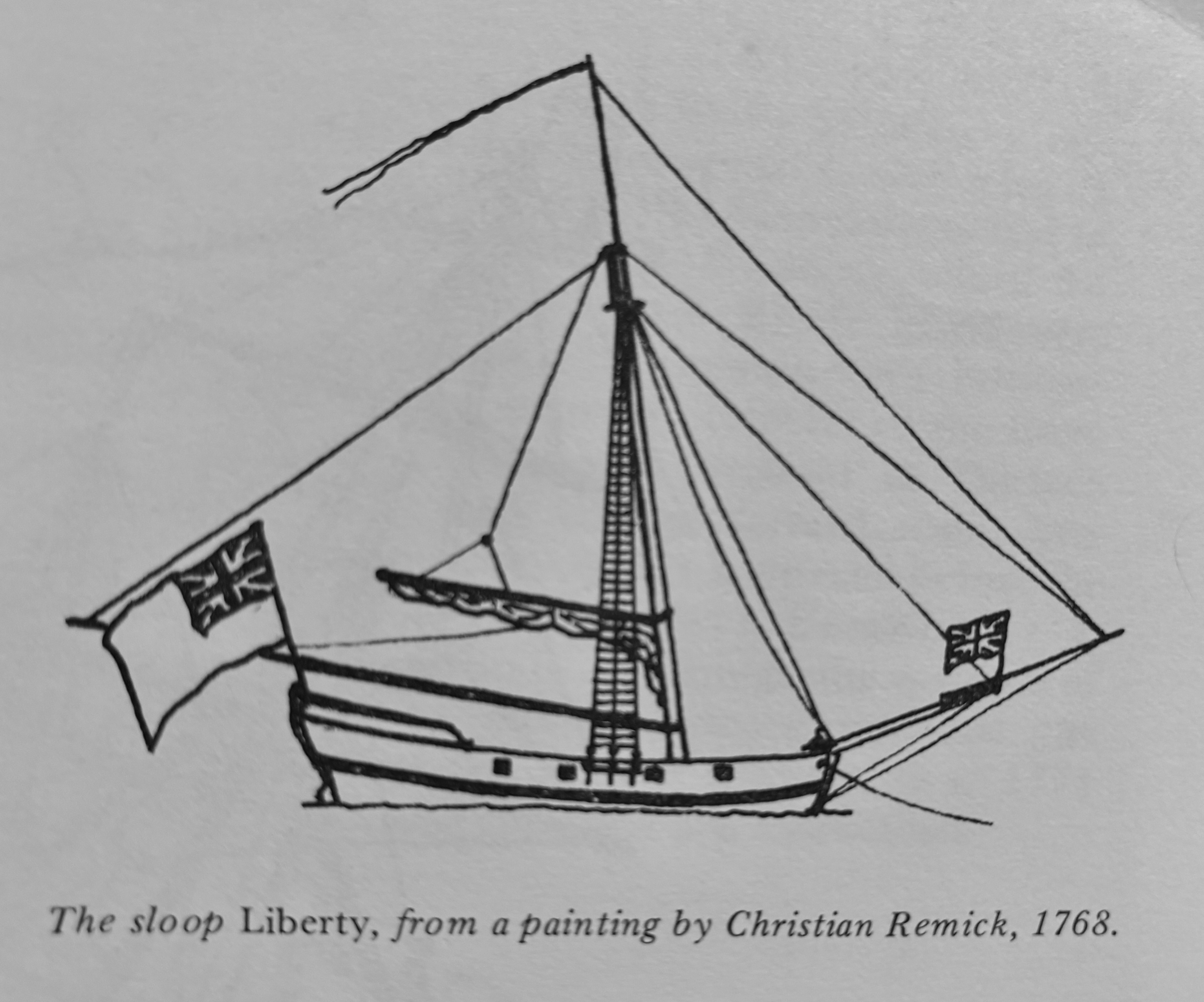
“We hear from Newport, Rhode-Island, that last Monday the Sloop Liberty, Capt. Reid, said to be owned by the Commissioners, brought in there a Brig and a Sloop belong to Connecticut, that they had for some pretext seized in the Sound, which, together with the impudent behavior of the Captain and some of his People, so exasperated a number of persons there, that on Wednesday afternoon they went on board the Liberty as she lay at Anchor in the Harbour, and cut her cables, and let her drift ashore, they then set her on fire but being informed a considerable Quantity of Powder was on board, for fear of endangering the Town, they extinguished it again; they then cut away her mast, threw her guns and stores overboard, entered the Cabin and destroyed the Captains and his wife’s cloaths, bedding, broke the tables, chairs, china and other things therein, and did not quit her til 3 oclock the next morning, when after scuttling the vessel, they left her a meer Wreck, and now remains sunk near one of the wharfs there. They also seized her barge and boat and burnt them – The Brig that was seized we hear was legally discharged on Thursday, but that the Sloop made her escape in the confusion the evening before.”On the 19th of July in 1769 a Newport mob was so exasperated with the captain of a sloop owned by Royal Commissioners that they “went on board the Liberty as she lay at Anchor in the Harbour, and cut her cables, and let her drift ashore, they then set her on fire…” (Boston Chronicles, 24, July 1769).

This incident was almost three years before the burning of the Gaspee.

Resources:

Rhode Island Rebels: Stephen Hopkins

Leave a comment

I am working on new projects that have me looking at the whole of Rhode Island’s Revolutionary experience and those Rhode Islanders who played major roles in the action. Most of my research has been on the Rhode Island Campaign, the Battle of Rhode Island and the French role in converting Butts Hill into a proper fort. The general picture of rebellious Rhody is new ground for me. Timelines published in the Newport Mercury by John Millar and his book – Rhode Island: Forgotten Leader of the the Revolutionary Era, are helping me to focus on the larger picture.

Stephen Hopkins: 1707-1785

Lawyer, merchant, politician and co founder of Brown University.

28th, 30th, 32nd, and 34th Governor of the Colony of Rhode Island and Providence Plantations,

Represented Rhode Island Island at the Albany Congress of 1754 where he pressed for union of the colonies.

Wrote the Rights of Colonies Examined in 1764 which held that Britain’s authority over the colonies had little basis. This was in response to the Sugar Act.

In 1772, when the British vessel Gaspee was attacked and burned, Chief Justice Hopkins refused to sign the court order to arrest those responsible.

Delegate to the First and Second Continental Congress where he introduced bills to establish a navy. His brother Esek became the first admiral of the Navy.

Signer of the Declaration of Independence. Hopkins was frail and his hand shook, but the commented: “My hand trembles but my heart does not.”

Resources:

His house on Benefit Street in Providence is open to the public. http://www.stephenhopkins.org

Aisha Pierre’s Article on Stephen Hopkins as a Founding Father: https://rhodetour.org/items/show/284

“The Rights of the Colonies Examined”. Essay, 1764. From Teaching American History. https://teachingamericanhistory.org/document/the-rights-of-the-colonies-examined/ (accessed October 30, 2025).

Walking Butts Hill

Leave a comment

If you haven’t been to Butts Hill lately, this is an excellent time to go. This week we hosted 46 AP History students from Portsmouth High Schools on a tour of Battle of Rhode Island skirmish sites. We ended with a walking tour of the fort.

We hope to have better signage up in the coming year and full self-tour with QR codes. Meanwhile we have some resources to help explain what you see walking through the fort.

Photos from Brigade of the American Revolution event in May 2025

Honoring Founding Mothers and Looking for their Descendants

2 Comments

It was a touching moment. A descendant of Mary Paine Tripp came to an event at Bristol Ferry and watched actress Cindy Killavey portray her ancestor. That was at last year’s “Discover Your Portsmouth” event, and this year more of the Founding Mothers will have a moment of attention. The Portsmouth Conservation Commission with the help of the Battle of Rhode Island D.A.R and the Portsmouth Community Theater will honor the women who were with Anne Hutchinson in establishing their families here. The ceremony honoring the women and the efforts to preserve Founders Brook will be at 1 PM on October 26th – at Founder’s Brook. All are welcome, but it would be especially nice to have descendants of those Founding Mothers at the event that honors them.

Site were settler’s first gathered.

I first heard the names of some of them at an event at Founder’s Brook honoring Anne Hutchinson during the 375th celebration. I knew the names of the men featured on the bronze plaque with the Portsmouth Compact, but it really moved me to hear the names of some of the women who also were pioneers. I started researching who the women might be. Eve LaPlante who wrote American Jezebel provided me with the list that was read at the event. We are familiar with Anne Hutchinson and some of us know about Mary Dyer who was a martyr for her Quaker Faith. Mary Paine Tripp secured the land for the Tripp ferry when as a barmaid she traded wine for the land title. Herodias Long Gardner Hicks Porter was married to four of the first settlers. Jane Hawkins was a midwife and therefore was accused of witchcraft as midwifes were in those days. Rebecca Cornell met an untimely death and a “ghostly witness” aroused suspicions about murder.

For many of the women I could only find their maiden name, husband’s name and the number of children they had. At least that fleshes out more information about them. I have information on around 30 of the women who were in Portsmouth with Anne Hutchinson. I am not a genealogist – I really admire those who are skilled in that research. I am listing names I have found, and if I have something incorrect, I would love to correct it. The members of the Battle of Rhode Island D.A.R. will be reading the names at the Discover Your Portsmouth – Founder’s Brook event and it would be good to accurately give information on the Founding Mothers.

Mary Moseley Coddington 1603-1647,
Elizabeth Harris Clarke 1610-1670,Anne Marbury Hutchinson 1591-1643.
Mary Gould Coggeshall 1604-1684, Elizabeth Goodyear Aspinwall 1606-1650.
Ann Bradford Wilbore – 1597-1645, Margaret Odding Porter- 1596-1665. 
Bridget Hutchinson Sanford – 1618-1698,
Katherine Hamby Hutchinson. 1615-1651,
Faith Hutchinson Savage 1617-1652.
Mary Barrett Dyer 1611-1660, Mary Wilson Freeborn – 1600-1670.
Sarah Odding Shearman – 1610-1681,
Katherine Hutchinson Walker 1609-1654.
Elizabeth Baulston – 1597-1683,
Elizabeth Bull.
Mary Hall 1619-1680.
Sarah Lott Mott 1604-1647,
Susanna Thompson Wilcox 1607,
Mary Paine Tripp 1618-1687,
Sarah Cornell Briggs 1627-1661,
Frances Latham Clarke Vaughn 1609-1677,
Elizabeth Hazar Layton (Lawton),
Joan Savage Earle 1609-1699,
Rebecca Marbury Maxson 1602-1656,
Jane Hawkins 1585-1659,
Herodias Long Hicks Gardner Porter 1623-1674,
Mary Mayplet Gorton 1607-1677
Susanna Potter Anthony 1619-1674, Rebecca Cornell 1600-1673, Sarah Lott Mott 1604-1647,
Joan Fowle Borden 1604-1688, Katherine Walker 1609-1654

Cindy Killavey will portray Anne Hutchinson and Trish Culver will portray Mary Dyer. The actors will tell the story of the early days in Portsmouth and the journey from Boston through “letters.” Dr. Ron Marsh will take the part of a journalist who advocated for protecting Founders Brook when the state wanted to build a cloverleaf through it.

Send a note through this blog if you have information for me.

Commanders of the Battle: Malsburg

Leave a comment

Captain Friedrich Wilhelm von der Malsburg (c. 1745–1825)

Malsburg was captain of the riflemen and commanded maybe 100 men.

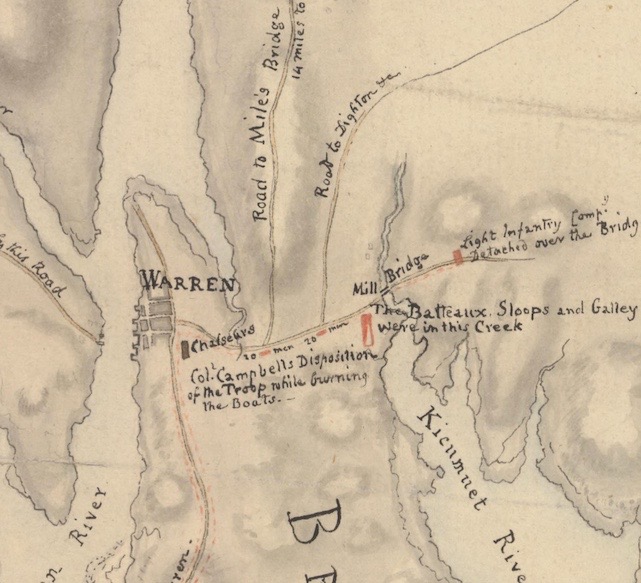
Malsburg served on Aquidneck Island who whole of the British Occupation from 1776-1779. He wrote a diary which helps us understand his life on Aquidneck Island. There wasn’t a Jager unit (skilled hunters and marksmen) so two units were formed from Chasseur companies (rapid movement unit). Captain Friedrich von der Malsburg of the Ditfurth Regiment commanded the first company and Captain August Christian Noltinius of the von Bunau Regiment headed the second. These men were armed with musket, bayonet, and sabre. They were on round the clock alert in readiness for special assignments. These rapid advaance men went up West Main Road ahead of the other troops and challenged the American pickets.

Found in Malsburg’s diary was a poem about the Rhode Island Campaign. There are mentions of d’Estaing, Pigot, Clinton. Ludwig is French King Louis. The term “Jonathan” was a commonly used to denote someone from New England. Hancoc refers to John Hancock. Hancock was actually at the Siege of Newport, but left before the Battle.

Resources: There is little information on Malsburg, but Walter Schroder’s The Hessian Occupation of Newport and Rhode Island has good information from his diary. The web article on Yankee Doodle is the source of the poem.

Commanders in the Battle: Wade and Jackson

Leave a comment

Note: These short military histories of men who commanded at the Battle of Rhode Island are focused on their experience up to the Battle of Rhode Island. I am researching for a role playing activity about the decisions made at the Battle of Rhode Island.

Col. Nathaniel Wade 1750 – 1826

During the Rhode Island Campaign he commanded 385 members of the Massachusetts Militia.

Wade was born in Ipswich, Massachusetts and drilled with the Ipswich Minute Men. On December 24, 1774, his company signed on as “Minute Men, to be ready for military operation, upon the shortest notice.” At the beginning of hostilities, his unit pursued British soldiers retreating from the battles of Concord and Lexington and fought in the Battle of Bunker Hill. In May of 1777 he was promoted to Lieutenant Colonel. As a member of Col. Keye’s Regiment, he went to Rhode Island as part of the secret expedition of General Spencer. The planned invasion of Aquidneck Island never took place, but he stayed in Rhode Island for a time and headed up his own regiment. When orders were given on July 31st, he headed from East Greenwich to Tiverton. As Captain and later Colonel, he commanded troops throughout the campaign in Rhode Island.

Col. Henry Jackson – 1747-1809

Jackson started his military career as an officer of the First Corps of Cadets in Boston. During British occupation, it was disbanded. After the British left Boston, the cadets organized a company with 87 officers and men called the Boston Independent Company in 1776. Jackson was their commander. The unit was made part of Continental service as Jackson’s Additional Continental Regiment. Jackson led this regiment in the Philadelphia campaign of 1777. Jackson was a lifelong friend of Henry Knox who became Secretary of War. Jackson faced criticism for retreating without orders during the Battle of Monmouth. He commanded about 200 Massachusetts Continentals at the battle.

See Christian McBurney’s article for more information on Jackson and the accusations of retreating without orders. https://allthingsliberty.com/2020/10/colonel-henry-jackson-accused-by-his-junior-officers-of-misconduct-at-the-battle-of-monmouth-court-house/

Older Entries Newer Entries