What happened to Portsmouth farms and farmers after the British occupation? A line from town hall meeting records states the post Revolutionary War situation succinctly:
“On Sunday ye 8th Day of December A.D. 1776 about Eight Thousand of British Troops took possession of this island and Remained on until Monday the 25 Day of October A.D. 1779, for which time the inhabitants were greatly oppressed.”
“The inhabitants were greatly oppressed.” Farmers were left without their livestock, without their hunting guns, without their farm tools, without their carts and wagons, without their fencing, and in many cases without their homes. Firewood was scarce since the British had chopped down just about every tree on the island, so the farmers felt the cold winter without fuel for heating or cooking.
Farmers may have had their land, but many had not been able work their land. During the occupation they had been impressed by the British to labor on fortifications, etc. The occupation had taken its toll and right after the Revolution, Portsmouth farmers needed to focus on their own interests.
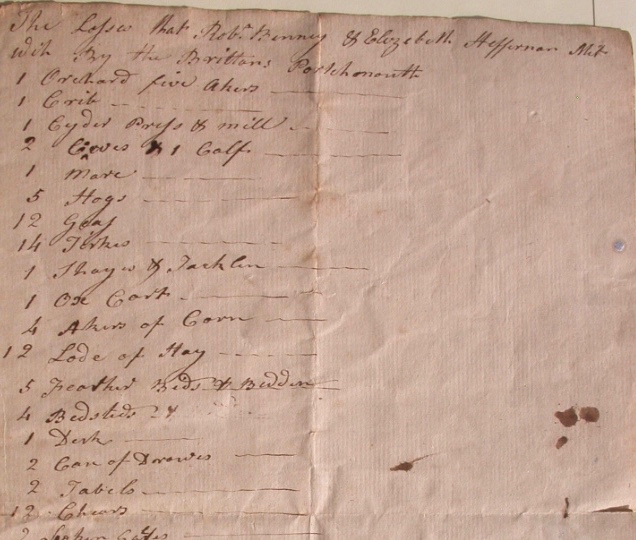
Household Inventory
To make good their losses, Portsmouth families petitioned the state for compensation for the damages suffered during the War. Among the documents in the collection of the Portsmouth Historical Society is such an inventory of losses dated around 1780. Robert Binney (Benney) and Elizabeth Heffernan were “in laws” who shared a home and a 26-acre farm just north of the Quaker Meeting House. The household inventory that they prepared can give an idea of what Portsmouth residents lost in the War. Among the items destroyed were five acres of orchards, a mare and 5 hogs. They lost their corn crib, four acres of corn, 12 loads of hay, twelve goats, two cows and one calf, a jackass and a ox cart among other household items.
In 1779, when the town meetings began again, Portsmouth citizens sent a message to the Rhode Island General Assembly asking that their taxes should be lowered because the town was in a “Distressed Situation.” Unfortunately the state still wanted its taxes and in May of 1781 threatened to confiscate the property of those who did not pay even though they had supported the war and suffered from the hardships of occupation. Portsmouth people were so concerned about their local issues, that it was hard for them to sacrifice anything more for the state or national government. The citizens preferred the more decentralized Articles of Confederation to the new Constitution that was proposed. Portsmouth Freemen voted twelve to sixty to not adopt the Constitution in a vote held May 24th, 1788. Portsmouth military leaders Cook Wilcox, David Gifford and Burrington Anthony were among those who voted against adoption of the Constitution. As an agricultural community, Portsmouth people were concerned about war debt repayment and “paper money” issues as well as waiting for the adoption of the Bill Of Rights. Portsmouth townspeople began to favor the new constitution when it seemed that the national government would start putting heavy fines on Rhode Island trade with other states. That would not be in the best interest of the Portsmouth farmers. Portsmouth voted for the Constitution and Rhode Island finally became the thirteenth state in 1790.
The 1790 census showed a thousand, five hundred and sixty residents – 243 families and 19 slaves. By the early 1800s dairy and grain farms were more important. Sheep raising became less important than it had been in early years. The occupation and post war concerns had changed the lot of the Portsmouth farmer.
Resources: Localism in Portsmouth and Foster during the Revolutionary and Founding Periods by WILLIAM M. FERRARO. Rhode Island Historical Society, August 1996.

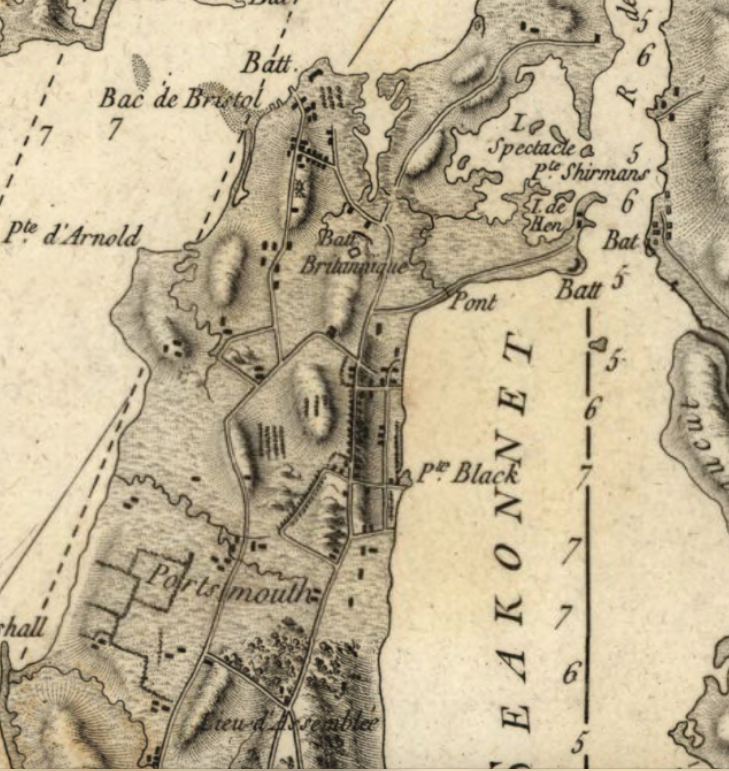


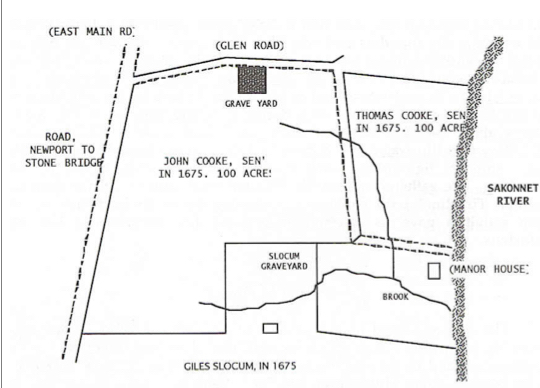
 Rebecca Cornell, a 73 year old widow, lived in her 100-acre home in Portsmouth with her son Thomas; his second wife Sarah; their two daughters; his four sons from his first marriage; a male lodger and a male servant.
Late afternoon on Feb 8, 1673, Thomas arrived home to find his mother feeling ill. Family members kept her company; Thomas talked with her for ninety minutes, but left at 7:00 p.m. to wind a “Quill of Yarn” before supper. Rebecca didn’t join the family supper because she didn’t want the “salt-mackrill” meal. About 45 minutes later grandson Edward went to her room to ask her if she wanted something else to eat. Seeing flames, he ran out to get a candle. Meanwhile, everyone ran into Rebecca’s room, where she was burned beyond recognition.
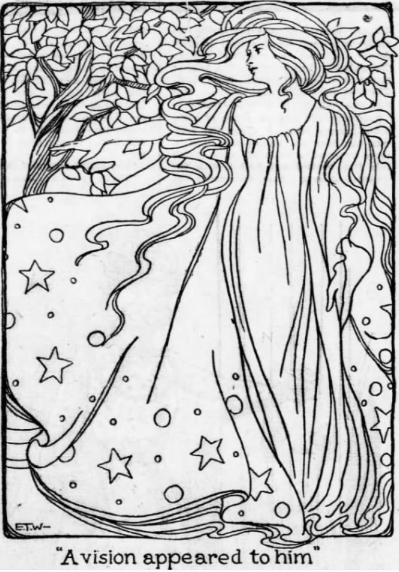
Two nights later Rebecca’s ghost paid a surprise visit to her brother, John Briggs, a 64-year old grandfather. He reported that on seeing the shape of a woman by his bedside, he “cryed out, in the name of God what art thou…” The apparition replied, “I am your sister Cornell, and Twice sayd, see how I was Burnt with fire.” A later autopsy showed “A Suspitious wound on her in the upper-most part of the Stomake.”
Circumstantial evidence was stacked against Thomas. There were bad feelings between mother and son because she’d given him her estate but he had to divide 100 pounds among his siblings and he had to care for his mother. His temper, which Rebecca told people she feared, didn’t help.
There was also tension between Rebecca and daughter-in-law Sarah. Thomas had motive to murder. He also had access to a purported murder weapon, “sume instrumen licke or the iron spyndell of a spinning whelle.” And he was the last person to see Rebecca alive. Thomas Cornell, 46, was hung for her “murder” on May 23, 1673.
Who were the other suspects, if it was murder? Two doors gave access to Rebecca’s downstairs bedroom. Unrest existed between Europeans settlers and the Indians. An Indian named Wickhopash (a.k.a. Harry) had a motive for the crime. He’d been on “the losing end of criminal action for grand larceny brought by Thomas in June 1671” and had received a punishment. Often Indian revenge was taken out by attacking lone female family members, and arson was their tactic. In 1674 he was tried and acquitted for the killing.
In 1675 Thomas’s younger brother, William, presented persuasive evidence that Sarah had a role in Rebecca’s death. She was burdened with “catering to her demanding mother-in-law,” and she had a violent streak. She too was acquitted.
The theory of accidental death also remains. Rebecca might have tried making her own fire, caught herself on fire, fallen and dragged herself away from the hearth. She’d also confided in her daughter Rebecca that she’d considered suicide three times.
So whodunit? Was it murder? An accident? Or suicide? Sarah birthed Thomas’s last child, a daughter she named Innocent, after his hanging.
Sources:
Crane, Elaine F. Killed Strangely: The death of Rebeka Cornell. Ithaca: Cornell Univ. Press, 2002
Rebecca Cornell, a 73 year old widow, lived in her 100-acre home in Portsmouth with her son Thomas; his second wife Sarah; their two daughters; his four sons from his first marriage; a male lodger and a male servant.
Late afternoon on Feb 8, 1673, Thomas arrived home to find his mother feeling ill. Family members kept her company; Thomas talked with her for ninety minutes, but left at 7:00 p.m. to wind a “Quill of Yarn” before supper. Rebecca didn’t join the family supper because she didn’t want the “salt-mackrill” meal. About 45 minutes later grandson Edward went to her room to ask her if she wanted something else to eat. Seeing flames, he ran out to get a candle. Meanwhile, everyone ran into Rebecca’s room, where she was burned beyond recognition.
Two nights later Rebecca’s ghost paid a surprise visit to her brother, John Briggs, a 64-year old grandfather. He reported that on seeing the shape of a woman by his bedside, he “cryed out, in the name of God what art thou…” The apparition replied, “I am your sister Cornell, and Twice sayd, see how I was Burnt with fire.” A later autopsy showed “A Suspitious wound on her in the upper-most part of the Stomake.”
Circumstantial evidence was stacked against Thomas. There were bad feelings between mother and son because she’d given him her estate but he had to divide 100 pounds among his siblings and he had to care for his mother. His temper, which Rebecca told people she feared, didn’t help.
There was also tension between Rebecca and daughter-in-law Sarah. Thomas had motive to murder. He also had access to a purported murder weapon, “sume instrumen licke or the iron spyndell of a spinning whelle.” And he was the last person to see Rebecca alive. Thomas Cornell, 46, was hung for her “murder” on May 23, 1673.
Who were the other suspects, if it was murder? Two doors gave access to Rebecca’s downstairs bedroom. Unrest existed between Europeans settlers and the Indians. An Indian named Wickhopash (a.k.a. Harry) had a motive for the crime. He’d been on “the losing end of criminal action for grand larceny brought by Thomas in June 1671” and had received a punishment. Often Indian revenge was taken out by attacking lone female family members, and arson was their tactic. In 1674 he was tried and acquitted for the killing.
In 1675 Thomas’s younger brother, William, presented persuasive evidence that Sarah had a role in Rebecca’s death. She was burdened with “catering to her demanding mother-in-law,” and she had a violent streak. She too was acquitted.
The theory of accidental death also remains. Rebecca might have tried making her own fire, caught herself on fire, fallen and dragged herself away from the hearth. She’d also confided in her daughter Rebecca that she’d considered suicide three times.
So whodunit? Was it murder? An accident? Or suicide? Sarah birthed Thomas’s last child, a daughter she named Innocent, after his hanging.
Sources:
Crane, Elaine F. Killed Strangely: The death of Rebeka Cornell. Ithaca: Cornell Univ. Press, 2002

 Wampanoag Calendar
 portsmouthhistorynotes