Home

Rhode Island Military Units: The Bristol Train of Artillery

Leave a comment

The Bristol Train of Artillery was organized in 1776. The organization historian wrote in 1916:

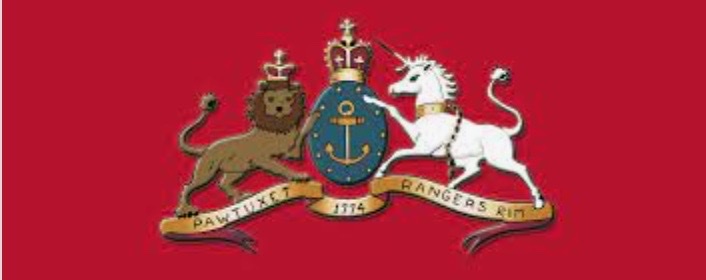
Bristol Train of Artillery image by Jay Killian

“The Train of Artillery, in the town and county of Bristol, known as the Bristol Train of Artillery, was instituted on February 12, 1776, at a town meeting of the Town of Bristol, called ‘In consequence of an Act or order of the General Assembly made and passed at Providence on the 13th day of January 1776 for raising an Artillery Company in this town.” The company chose officers, but those officers were replaced by the General Assembly. .'”

It was the early days of the War for Independence and coastal Bristol was vulnerable to attack by the British. Bristol was continually harassed by the British troops and ships so the company was kept “fully occupied during the years of the Revolutionary War.” With the British Occupation of Newport, the Bristol Train of Artillery found itself actively taking part in battles and skirmishes around Bristol and Newport. Some say that the company took part in the Battle of Bunker Hill.

In 1793 the General Assembly passed a new militia law. In June 1794 the Bristol Train of Artillery was chartered by the Assembly. In 1797 two brass field pieces were presented to the company by the General Assembly.

Members took part in the war of 1812 and some of them were taken prisoner and confined to Dartmoor prison in Devon, England. On June 24, 1842 a full company of 200 members reported to the Governor and served in the “Dorr Rebellion.” On June 5, 1861, the company was mustered into the 2nd Regiment of Rhode Island Volunteers. Over 300 members of the company served in different regiments during the Civil War. Several members of the company served in the Spanish American War. Forty-six members went to France to fight in World War I.

References:

“An Ancient Organization”, Bristol Phoenix, May 2, 1916.

Rhode Island Military Units: Newport Artillery Company

Leave a comment

The Newport Artillery Company is the oldest military unit in the United States that still operates under its original charter. Chartered in 1741 by the Rhode Island General Assembly, it was the first chartered independent unit in the Rhode Island Militia. Unlike other militia units, the artillery was granted the right to elect its own officers. It was subject only to the orders of the governor rather than the appointed colonial militia officers. The officers that were elected by the militia included the elite of Newport colonial society.

Newport Artillery image by Jay Killian

About a quarter of the members of the Artillery Company (11 members) served in the French and Indian War, but the Company became divided after that war. The Newport Artillery Company, like the town of Newport, became divided over British attempts to assess taxes and garrison men in the colonies. Prominent landowners like the Brentons remained loyal to the King. Merchants and small farmers were in opposition to those British moves. The Company was caught in the middle of the conflict. In 1775 it dismissed its clerk and discontinued meeting.

Although some say the Newport Artillery Company escorted George Washington in his 1790 visit to Newport, the next recorded meeting of the Company was in 1792. To resolve issues of their charter, they asked the State Legislature to ratify their old charter.

During the War of 1812 members of the Company volunteered to contribute to Oliver Hazard Perry’s expedition to gain control of Lake Erie. In 1842 the Company was called into action when the incumbent Governor called up the militia to respond to Dorr’s Rebellion. During the Civil War they became part of the First Rhode Island Regiment commanded by Ambrose Burnside. The Company was mobilized and sent to Fort Adams at the time of the Spanish American War. The Spanish Fleet, however, never arrived. Members of the Company joined the services during World War I, but after the war the Newport Artillery Company was not included in the National Guard.

The Company is active with ceremonial activities, and it operates a military museum in its Armory, located at 23 Clarke Street Newport, R.I. The Museum houses one of the country’s most extensive collections of military uniforms and memorabilia.

References:

White, Ensign Donald G. “THE NEWPORT ARTILLERY COMPANY.” Naval War College Review 22, no. 9 (1970): 71–74. http://www.jstor.org/stable/44639578.

https://www.newportartillery.org/our-company – Website of the Newport Artillery.e

Rhode Island Military Units: The Varnum Continentals

Leave a comment

The Varnum Continentals is a non-profit historic and patriotic organization that owns Varnum House Museum and the Varnum Armory and Military Museum. They are named in honor of James Varnum who served as Brigadier General in the Continental Army.

Varnum Continentals Image by Jay Killian

Varnum’s military career began with the Kentish Guards who were chartered as a militia by the Rhode Island General Assembly in 1774 as a unit of the Rhode Island Militia. Varnum was one of the founders of the Kentish Guards and he was elected their first commanding officer.

With the outbreak of the War for Independence, Varnum was commissioned by the RI Assembly as a Colonel of the First Regiment of Infantry. He served in the Continental Army as a Brigadier General from 1777-1779. He served in the siege of Boston, the battles of Long Island, White Plains, Red Bank (New Jersey), at Valley Forge and the Battle of Rhode Island. During the Battle of Rhode Island, Varnum’s Brigade – stretched across West Main Road and faced Turkey Hill. It was comprised of four continental regiments – 2nd Rhode Island, Livingston’s 1st Canadian, Sherburne’s and Webb’s. In all, Varnum commanded 800 Continentals in the Battle of Rhode Island.

Varnum was an advocate for the establishment of the 1st Rhode Island Regiment (known as the Black Regiment). This is his letter to Washington proposing the unit.

From Brigadier General James Mitchell Varnum
Camp [Valley Forge] Janry 2d 177[8]

Sir—
The two Battalions from the State of Rhode Island being small, & there being a Necessity of the State’s furnishing an additional Number to make up their Proportion in the continental Army; The Field Officers have represented to me the Propriety of making one temporary Battalion from the two, so that one intire Core of Officers may repair to Rhode Island, in order to receive & prepare the Recruits for the Field. It is imagined that a Battalion of Negroes can be easily raised there. Should that Measure be adopted, or recruits obtained upon any other Principle, the Service will be advanced. The Field Officers who go upon this Command are Colo. Greene, Lt Colo. Olney and Major Ward: Seven Captains, Twelve Lieuts., six Ensigns, one Pay Master, one Surgeon & Mate, One Adjutant & one Chaplin. I am your Excellency’s most obdt Servt
J. M. Varnum

In 1907 a group of local men -(many had formerly been members of the Kentish Guard) – chartered the Varnum Continentals “to perpetuate the customs, uniform and traditions of the period [of the American Revolution], and thereby, and in other ways, to encourage patriotism in the people.” On December 31, 1992, Bruce Sundlun (Governor and Captain General of the State of Rhode Island and Providence Plantations) formally reactivated Varnum’s Regiment of May 4, 1775, as a unit of the Rhode Island Militia.

References:

https://varnumcontinentals.org

McBurney, Christian. The Rhode Island Campaign. Westholme Publishing, Yardley PA, 2011.

Rhode Island Military Units: Kentish Guards

Leave a comment

On September 24, 1774 the Kentish Guards were formed to protect the Town of East Greenwich from British attack.

Jay Killian Image

They were then charted by the RI Assembly in October 1774 to be an “elite” militia which took care of its own training and equipment. The Kent County Court House became the armory and they built Fort Daniel at the entrance of Greenwich Cove and equipped it with nine cannons.

The Guards took part in the Siege of Boston and 35 of its officers ultimately became officers in the Continental Army – including Nathanael Greene.

When the British invaded Newport, the Guards went on continuous duty until 1781. They protected Warwick Neck, Prudence Island, Warren, Bristol, Tiverton, and Aquidneck Island.

As American forces congregated at Tiverton under General Sullivan, Kentish Guard commander Col. Richard Fry led a regiment of Independent Militia Companies at the Battle of Rhode Island.

During the summer of 1779, twenty-six of the Kentish Guard attacked Conanicut Island (Jamestown) and destroyed a British battery. The Guard moved on to Aquidneck Island when the British evacuated Newport and they guarded Sachets (Second Beach).

They were posted at Newport again in 1780 and 1781 to reinforce the French.

After the war the Guard continued to provide defense to the East Greenwich area.

References:

http://www.kentishguards.com/brief-history.htm – The website for the Kentish Guards.

Colonial Beacon Poles of Rhode Island

1 Comment

What “early warning” system did the Rhode Island colonists have? How did they communicate danger throughout the state? They had no cellphones or internet, yet they still could issue warnings through a widespread system of beacons located on Rhode Island hills.

From Edward Field’s Rhode Island Defenses.

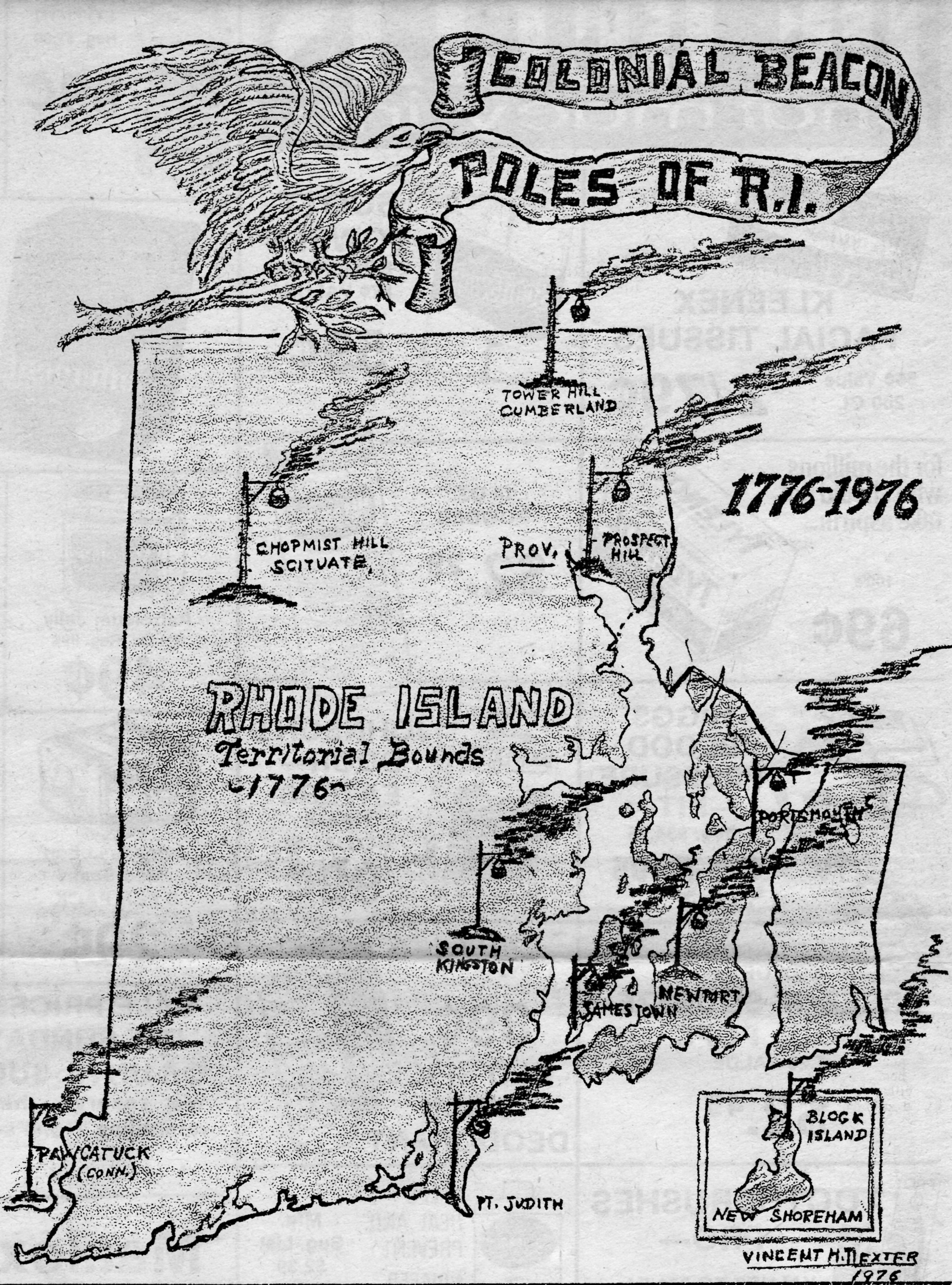
As early as 1667, when the British were at war with France and Holland, the General Assembly issued an order that a beacon signal be placed at Tonomy Hill on Aquidneck Island. It would signal with a fire at night or a smoke pot by day to warn of an invasion from the ocean. This beacon alerted all the other beacons across the colony.

Later, the Assembly ordered more beacons to be erected. They were probably at McSparren Hill in South Kingston, Mill Hill (Quaker) in Portsmouth and Prospect Hill in Providence. The Beacons were employed during the French and Indian Wars. In 1740 when England went to war with Spain, the Assembly ordered more beacons to be erected. They were placed at Block Island, Point Judith, Beaver Tail on Jamestown, and two more at Newport and Portsmouth. Butts Hill may have been a logical site for the second beacon in Portsmouth.

With the threat of war in 1775, the beacon system was re-established. In June of 1775 a post was established on Tower Hill in South Kingstown. Solomon Drowne, who taught at Brown, described the Providence pole to his brother in a letter dated August 12, 1775. “The Beacon Pole Mast is raised on the hill, ..nearly opposite the Church (likely First Baptist). I have heard said, is 80 feet higher than the top of the new meeting house steeple which is upward of 180 feet from the ground….”

A handbill was distributed that described the building of this tower. It was very simple in its design. There was a wooden shaft or mast, about 85 feet in height. It was braced at the foundation and had wooden pegs or steps, at regular intervals, coming from either side to enable a person to climb to the top. At the end of this shaft there was an iron crane. Hanging from the crane there was an iron basket that was filled with inflammable material. A house was built at the base to store the combustibles so they would be ready immediately.

Edward Field’s book on Rhode Island defenses quotes the handbill:

“……besides a strong battery and intrenchments on the river, there has been lately erected on the greatest eminence in this town, A BEACON for the purpose of alarming the country whenever it shall be-
come necessary in our defence, and as we doubt not of the readiness of our friends and brethren, both within and without this government, to give us every assistance in their power on such an occasion if timely apprized thereof. This is, therefore, to inform you that it is our urgent request that you all hold yourselves in readiness, and whenever you see said BEACON on fire you immediately and without delay, with the best accoutrements, warlike weapons, and stores you have by you, repair to the town of Providence, there to receive from the military officers present such orders as may be given by the authority of this jurisdiction for our common safety and defence. In case of an alarm we intend to fire the BEACON, and also discharge cannon to notify all to look out for the BEACON. Be it observed
and carefully remembered that the discharge of cannon Alone is not an alarm, but the firing of the BEACON itself, even without cannon, will be an alarm in all cases, excepting on Thursday, the 17th inst, at sunset, when the BEACON will be fired not as alarm, but that all may ascertain its bearings and fix such ranges as may secure them from a false alarm, and that they may know where to look for it hereafter. Whenever, you hear cannon look out for the BEACON.”

The Providence Beacon was tested on August 17, 1776. The light was seen in Newport, New London, Norwich and Pomfret, Connecticut.

In 1776 there was a pole erected on Beacon Pole Hill in Cumberland and on Chopmist Hill in Scituate. A fourth beacon was erected at Tomony Hill in Newport. This beacon was test fired on June 20th, 1776 and could be seen in Providence.

The beacons didn’t seem to provide a warning when the British invaded Aquidneck Island.

By Vincent Dexter

Resources:


Edward Field. Revolutionary Defences In Rhode Island, 1896.

“Beacon Pole Lights.” by Vincent H. Dexter. The Observer (Blackstone Valley), May 27, 1976.

Picturing Butts Hill Fort

1 Comment

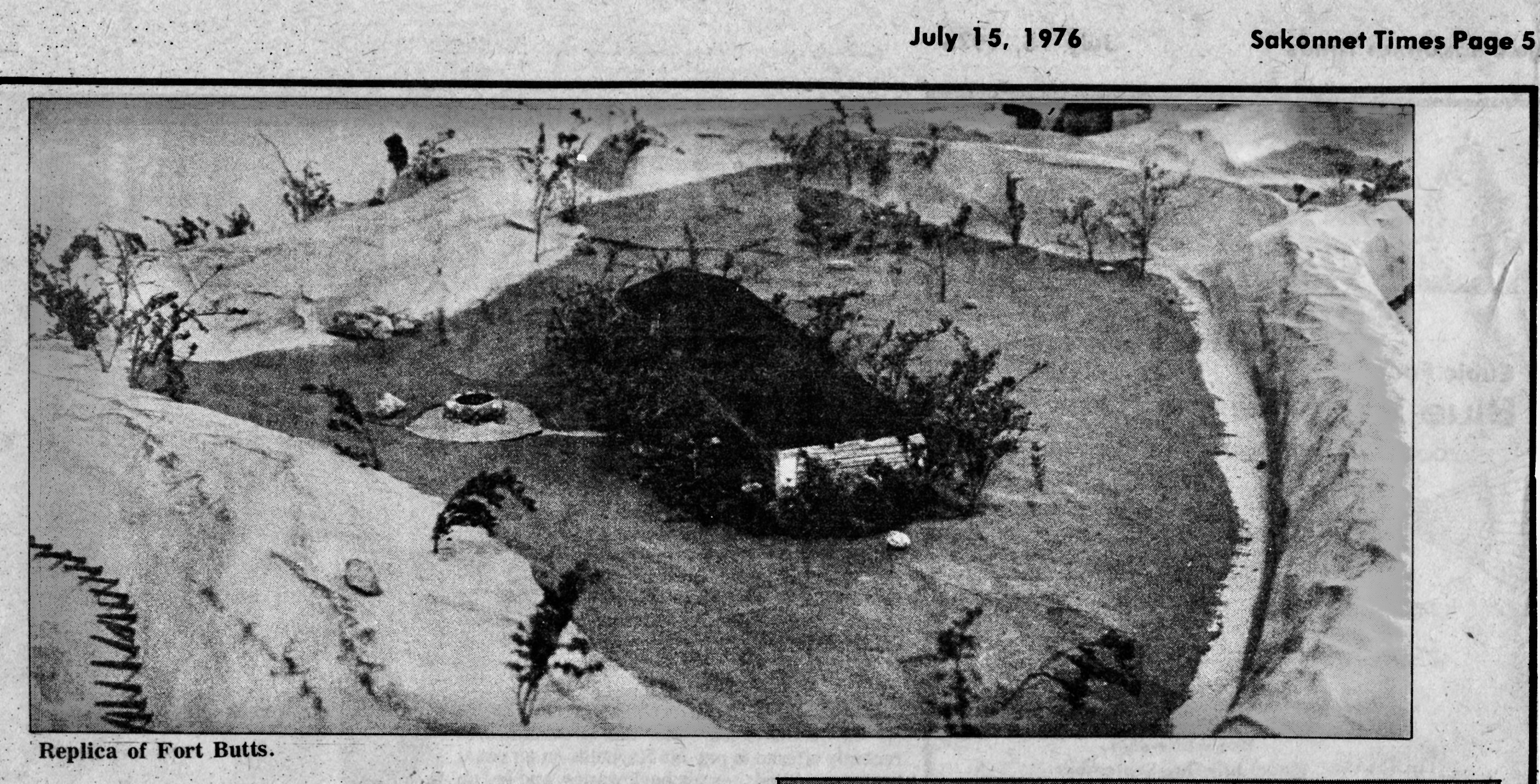
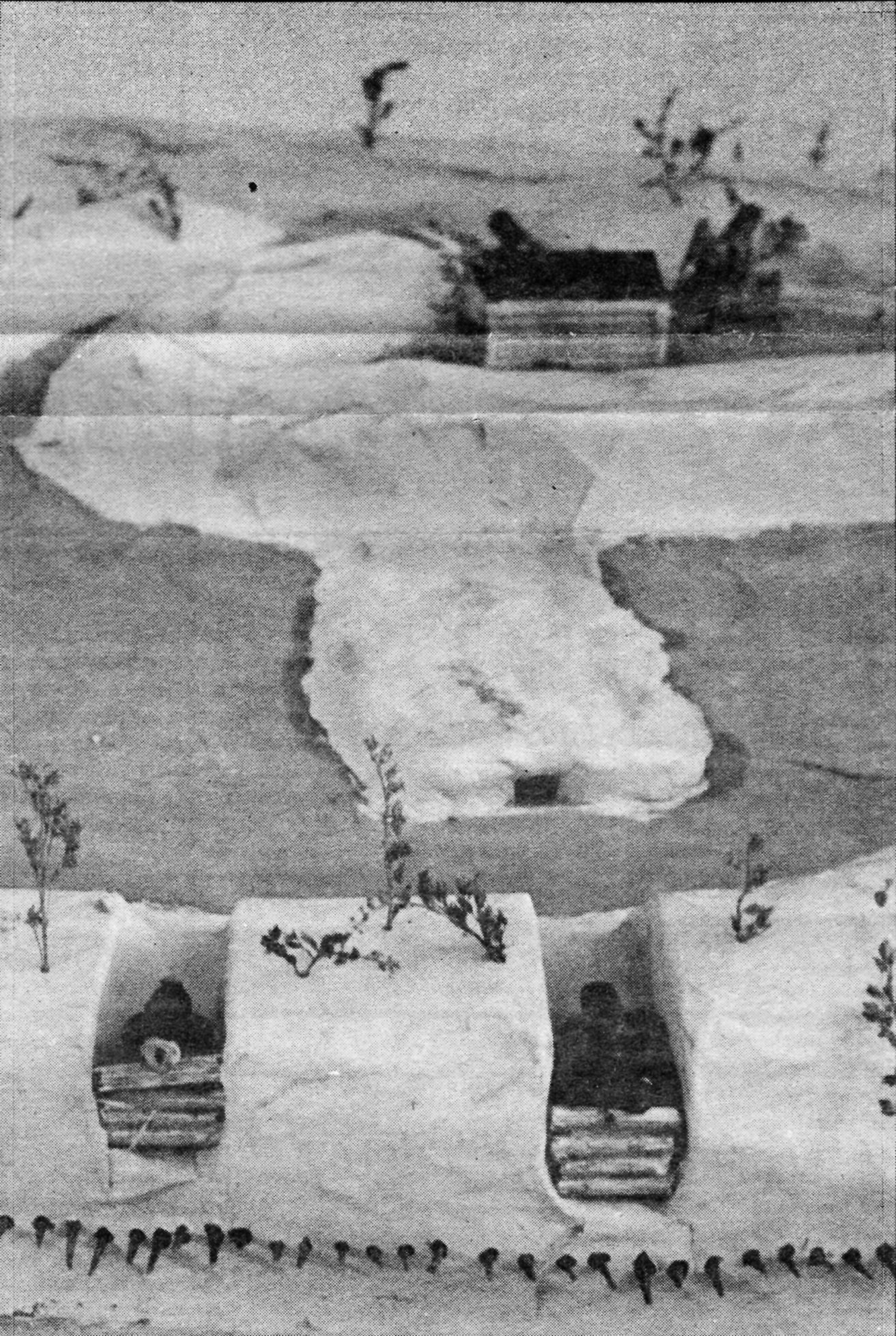
It is hard for us to imagine what Butts Hill Fort looked like. In the 1970s four Portsmouth High School Students tried to create a model of the fort. It was part of a project for an applied math class. One of the students was David Boscarino whose father was spearheading an effort to save the fort. The others were Robert Keshura, Ron Linhares and Brian Martineau. The model shows the abatis or tree branches arranged about the mote, the barracks and the cannon positions. Images of the model appeared in the July 15, 1976 issue of the Sakonnet Times.

Does anyone know what happened to the model?

My thanks goes to town historian Jim Garman for keeping such a great collection of Battle of Rhode Island material.

“Brave Sullivan’s to Lead us on.” Noah Robinson’s diary account of the Rhode Island Campaign

Leave a comment

Eyewitness accounts help us to understand what was going on during the Siege of Newport and the Battle of Rhode Island. Robert Geake has provided researchers with a glimpse of the life of a young private in the local militia. Titled “Fired a Gun at the Rising of the Sun,” Geake transcribes and richly annotates the diary entries of Noah Robinson, an Attleboro soldier. I am very grateful to Robert Geake for making this diary accessible to researchers. Transcribing and annotating are tedious jobs but they contribute greatly to our understanding of events in Revolutionary Rhode Island.

Volume III is entitled: “Journal of a Six Month Campaign by God’s Permition in the State of R. Island in a Company Commanded by Capt. Caleb Richardson…from the town of Attleboro.

“Boys to Play

The horn does blow for us to go

And fight our Enemies

We’ll take our guns & swing our packs

In God we Trust

and Fear em’ not

Brave Sullivan’s

to Lead us on.”

Noah Robinson had gone out to war with the militia on a number of occasions. This time he served in place of his uncle who was paying him. Robinson was educated and often served as a scribe in his units.

In the entries below, I have chosen to share the pieces of writing that speak most about the Rhode Island Campaign. Noah Robinson was among the troops being gathered for General Sullivan in Tiverton to take part in a French and American effort to take Aquidneck Island from British control.

Wednesday, August 5, 1778: Noah reports that he “Heard one of the Enemies ships was blown up. ….Towards Night heard two more British ships were blown up.” This is a reference to the Cerebus, Orpheus, the Juno and the Lark, British ships whose captains were given the order that under no circumstances would they allow their ships to be captured. With the French ships threatening, the British captains rain their ships aground and set them on fire.

Friday 7th: Gen. Varnum’s & Gen. Glovers brigade, Col. Jackson & Col. Shearburne’s Regt of Continental troops crossed the ferry ..

Saturday 8th: “…about Twelve o’clock marched on through heat and dust to Howland’s Ferry and encamped on the ground. Heard some firing towards Newport.”

Sunday 9th August: “…About eight o’clock pack up, took boat & crossed Howland Ferry on to R. Island. Formed and marched boldly up to the Fourth on the N. end of ye island then was informed ye enemy had retreated to the end of ye island so we lay on our post until about four o’clock when a shower came up so that we got very wet..”

Monday, 10th August: ” ..Much firing below ye island. ” Geake notes that day there was an exchange of fire between the French ships and the British batteries. By the next day, August, 11th, the whole army paraded and they had general orders to march by 6 AM to Newport. By August 15th they marched to within two and a half miles of Newport. August 16th Noah comments that “since last night our men have been very delinquent in trench making.” In his annotations Geake comments the some 800 men were digging trenches for the coming assault. 400 men were digging a four cannon battery just north of Green End Road in Middletown. Another 400 were making a concealed trench from the first battery down the west slope of Honeyman Hill.

Wednesday, August 19th, Noah could hear cannonading and he heard that some of the men were killed at the lines the night before. On Thursday the 20th of August Robinson reports that he washed his clothes, there was cannonading and he heard that the French fleet returned to Newport harbor. By August 24 he heard the French fleet had definitely left the harbor.

Geake’s notes add needed background to the brief entries. On the eve of battle, August 28th, Robinson noted that “At 2 o’clock a man was hanged in our camp.” Geake tells us that a soldier from Webb’s Regiment of Continentals was hanged for desertion because Sullivan wished to set an example.

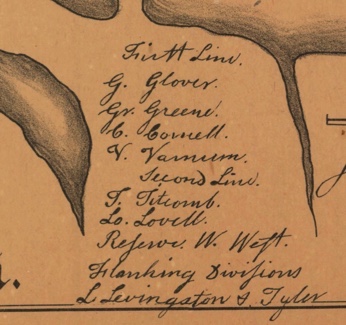
On Saturday, August 29th, Noah reports that “Last night (8/28/1778) about 8 o’clock struck tents and returned back to the N. end of Island, about 9 o’clock an action began, the enemy pressing on our light party. It appeared there would be a general action however our Army looking for the rights of their country; fighting like heroes, the enemy dare not press on our main body.” Geake’s notes tell us that Robinson was one of about the 120 Bristol County men which were in the rear guard of Titcomb’s brigade.

Robinson writes that action ceased at about 4 PM but cannon shot continued. He writes on Sunday, August 30: “Last night returned to our former station (from the wall) and blanketed down. (Some cannonading on both sides). Dug an intrenchment, drawer some provision and Rum &c. The loss of killed and wounded yesterday I can not certify but it appeared considerable on both sides.

Denison Map

August 31st Robinson reported that “Last night (August 30) mustered up about 5 o’clock, evacuated the lines. The whole Army crossed H(Howland) Ferry. Encamped for the night…

Reference:

“Fired a Gun at the Rising of the Sun.” Transcribed and Annotated by Geake, Robert. Privately printed by author. 2018.

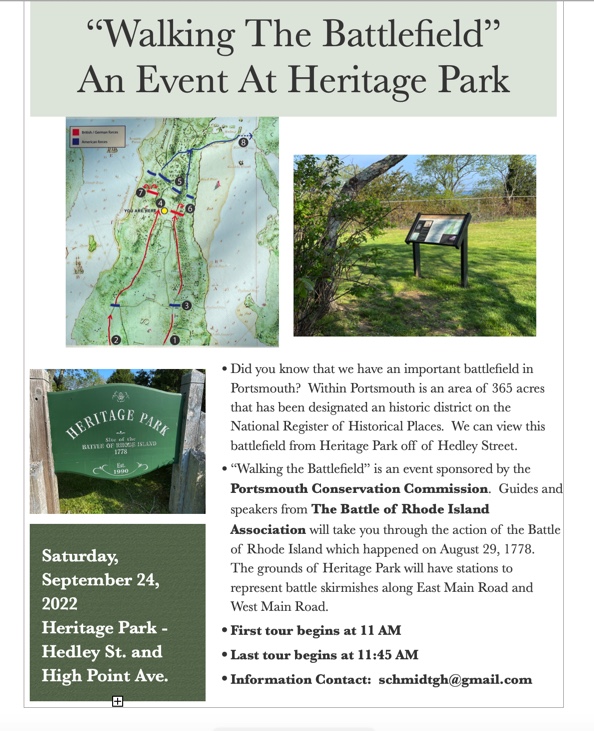
Walking the Battlefield – September 24, 2022

Leave a comment

Heritage Park in Portsmouth: Off of Hedley Street in back of the transfer station.

First tour: 11 AM

2nd Tour: 11:45 AM

Bring comfortable shoes, but the walking is light and easy going.

“We fight, get beat, rise and fight again.”

Leave a comment

“Who won the Battle of Rhode Island?” someone asked me recently. I cautiously answered that I thought it was a draw. The Americans were able to get out of a tough situation with their men and equipment. They retreated from Aquidneck Island but lived to fight another day. They proved they could fight valiantly. The question of who won or lost has always been a sore point for me, especially when people dismiss the importance of the battle simply because it was not a Patriot victory.

Nathanael Greene
Nathanael Greene

I have been reading “Washington’s General: Nathanael Greene and the Triumph of the American Revolution” by Terry Golway. In battle after battle it seems that the Patriots had to retreat and retreat strategically. Golway quotes Greene writing to a French ally, “We fight, get beat, rise and fight again.” I found another similar quote in a letter about the Southern Campaign from Greene to Washington 1 May, 1781: “My public letters to Congress will inform your Excellency of our situation in this quarter. We fight, get beat and fight again.”

I understand a little more today than I did a week ago. Yes, we should celebrate the victories like Yorktown. But… we shouldn’t dismiss the retreats. They kept the Patriots going, wore down the British, and ultimately worked towards gaining Independence.

“We fight, get beat, rise and fight again.”

Resources:

Founders Early Access: https://rotunda.upress.virginia.edu/founders/default.xqy?keys=FOEA-print-01-01-02-5589

Golway, Terry. Washington’s General: n Nathanael Greene and the Triumph of the American Revolution. Holt, NY, 2006.

Revolutionary Rhode Island: General Nathanael Greene Homestead

Leave a comment

Nestled in a quiet residential area of Coventry is a gem from Rhode Island’s Revolutionary past. It is the home of General Nathanael Greene, one of Washington’s most trusted generals. It is a two and a half story colonial house with four rooms on each floor divided by a large hallway. Greene built this house in 1770 with the help of family. It was the same year that Nathanael was selected to be the resident manager of the Coventry Iron Works which was on the same property. Greene worked at the forge making large ship anchors and chains until his military enlistment. It remained in the Greene family (through his brother Jacob’s line) for many years and some of the furnishings and items you see would have been used in the homestead when Nathanael lived there.

The Greene Homestead has ties to many moments in the history of the War for Independence. On the night of April 19, 1775, Greene received news of the fighting at Lexington. Greene at once mounted his horse and rode to join his militia. Although he was raised a Quaker, Greene had joined the Kentish Guards in East Greenwich. He entered military service as a private, but three weeks later he received a commission from the Rhode Island State Legislature as a Brigadier General in the Army of Observation.

In the first year of the war the homestead served as a convalescent home for officers who had been vaccinated against small pox. George Washington had mandated that American soldiers be vaccinated, but the procedure was new and there were often severe reactions to the vaccine.

Lafayette is said to have visited the house on occasion. On July 24, 1778, Washington sent Greene to help in the effort to dislodge the British from Aquidneck Island. He left camp in New Jersey and rode 170 miles in three days, arrive at the homestead on July 30. For the first time in their lives, Greene, his wife Catherine and the Green children were together at the same place.

Greene left his family about a week later for Providence and on to Tiverton. The American Commanding Officer, John Sullivan, assigned Greene to the right wing and Lafayette to the left wing. This was to be the first joint effort of the Americans and French, but things did not go as planned and the French decided to leave for Boston when their ships were damaged in a storm. Greene and his friend Lafayette were given the diplomatic duty of smoothing relations between Admiral d’Estaing of the French and Sullivan who vocally expressed his anger.

When the French did indeed sail off, Greene commanded forces in the Battle of Rhode Island. Afterwards Greene returned to the homestead once again. He left for military supply business in Boston, but received word that his third child had been born. He hurried home to Coventry. From dates of letters to Washington from the homestead, Greene stayed in Coventry until at least early October of 1778 when he returned to service. He was back at Washington’s side managing the military supplies as quartermaster.

When the French army stayed in Newport in 1780, Mrs. Greene entertained the Commissary of the French Army, a Captain of the Royal Deux Ponts and a French hospital chaplain at the Homestead.

In 1783 Greene moved his family to property he had been given in Newport and he sold the Homestead to his brother Jacob. Nathanael would ultimately move his family to a plantation in Georgia where he met his death at a young age. Generations of Jacob’s descendants would live in the house until 1899. When the property came up for sale in 1919, the Kent County Sons of the American Revolution sought to buy the house in honor of Greene. A number of state and local organizations helped to buy and restore a home some consider “The Mount Vernon of Rhode Island.”

To Visit the Homestead.

50 Taft Street, Coventry, RI 02816

Open April through October – Friday, Saturday, Sunday and Monday from 10AM to 5PM

Sources:

Golway, Terry. Washington’s General. New York, Holt, 2006.

Booklet from the Homestead: General Nathanael Greene and His Homestead.

Application to the National Registry of Historic Places.a

Older Entries Newer Entries