We naturally focus on the heroics of our soldiers, but often we don’t acknowledge the bravery of our women during wartime. Here are a few stories of Rhode Island women who courageously protested British taxes, capably did the their work and that of their soldier husbands, tended to soldiers in their camps, nursed hospitalized soldiers, committed to military service and risked themselves to manufacture armaments.
Daughters of Liberty
Colonial women had the responsibility of purchasing and making goods their families needed. In 1766 women made their protest to being taxed by the British by gathering to spin their own yarn and fabrics instead of buying them from Great Britain. Reports of these spinning bees were mentioned in newspapers and the bees were located throughout Rhode Island. Ninety-two women gathered in Newport. The elite class of women were not used to spinning and there was a report of a seventy year old women learning to spin for the protest. The women spent the day spinning and produced 170 skeins of yarn. Wearing homespun clothes instead of fancy fabrics from England was an effective and peaceful way to protest, but it also required courage for those who liveed in cities like Newport that had close ties to England. They were willing to make the sacrifices needed to make a political statement. It gave women a voice at a time when they couldn’t hold public office.
Women on the Home Front
“Keep the home fires burning” means to maintain a home’s daily routines and provide the necessities of life, often while someone is away. While their husbands were called to serve in the army, it was their wives that shouldered the extra burdens of tending to a farm or business. After the war the government gave a small amount of money to those who served in the Revolutionary War and we have records of the work some of these wives had to do. Dorcas Matteson of Coventry was the mother of nineteen children. She was married in 1770 to David Matteson. In the pension application she made years after the war, she listed some of the difficulties she endured for the “glorious cause.” When her husband went to fight in General Sullivan’s Rhode Island Campaign in 1778, it was hay time. She had to cradle her baby on some hay in a shady spot in the meadow while a young lad helped her load hay and put it in a barn. She was close enough to hear the “roar of the cannon” during the Battle of Rhode Island and she imagined the danger her husband was in. He returned a few days later when his militia duty had expired. He was safe and sound, but he did have a “bullet hole about him” that was made as they retreated from the Island. The bullet was stopped from injuring her husband by a chunk of cheese that Dorcas had sent and David had placed in his backpack.
A Special Camp Follower
Caty Greene was married to Nathanael Greene in 1774 and found herself quickly involved in the Revolutionary War effort. Nathanael moved quickly from commander of the Rhode Island Militia to general in the Continental Army. She opened her home in Coventry as a hospital when the Rhode Island troops were inoculated for small pox. Caty traveled to wherever her husband was stationed (New York City, Valley Forge, Carolinas), even after the birth of their first child in 1776. There were women and children who were called “camp followers” who served as cooks or clothes washers. Caty had more comfortable quarters than they did, and she put her efforts into organizing events for the soldiers. She became friends with Martha Washington because they were often in camp together. She gave birth to five children during the years of the Revolution, but when she travelled she often left her children in the care of others. Being away from her children and being away from her husband were heartaches for Caty. We don’t have the letters that Caty wrote to her husband because she burned them. We do have some of his letters to her and we can get a sense of what her letters were like from how he answered her. During the Siege of Newport, Nathanael wrote:
“I am sorry to find you are getting unwell. I am afraid it is the effect of anxiety and fearful apprehension. Remember the same good Providence protects all places, and secures from harm in the most perilous situation. Would to God it was in my power to give peace to your bosom, which I fear, is like a troubled ocean….” Caty, like many other spouses of Americans in the Rhode Island Campaign, must have been fearful of the battle ahead.
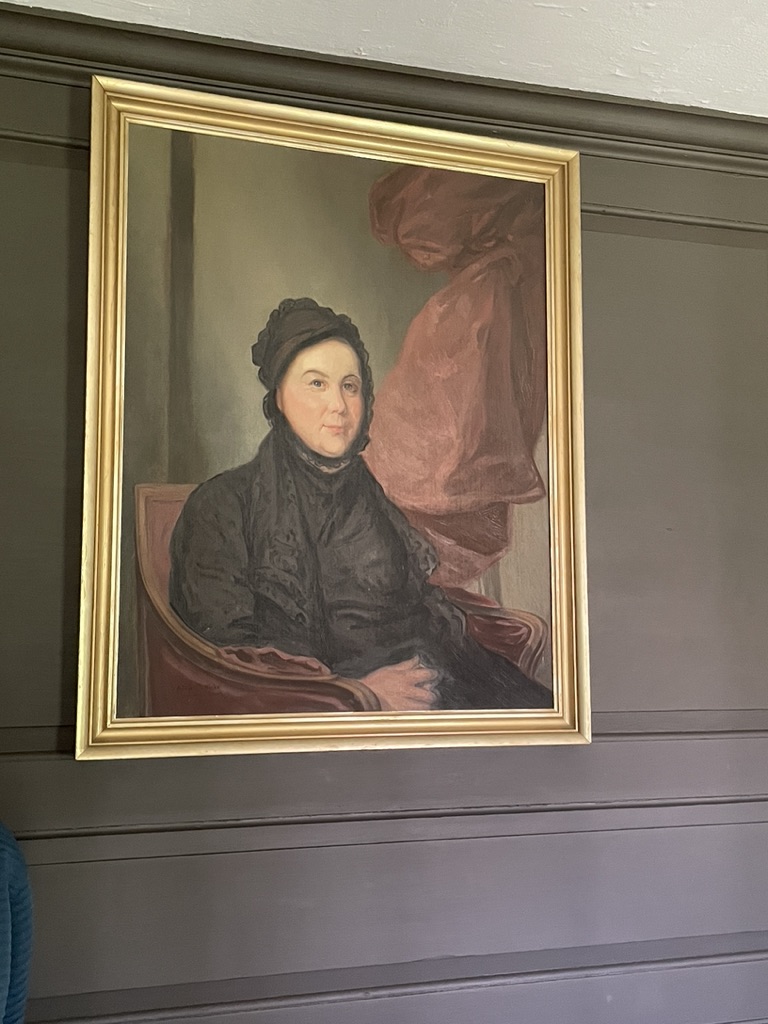
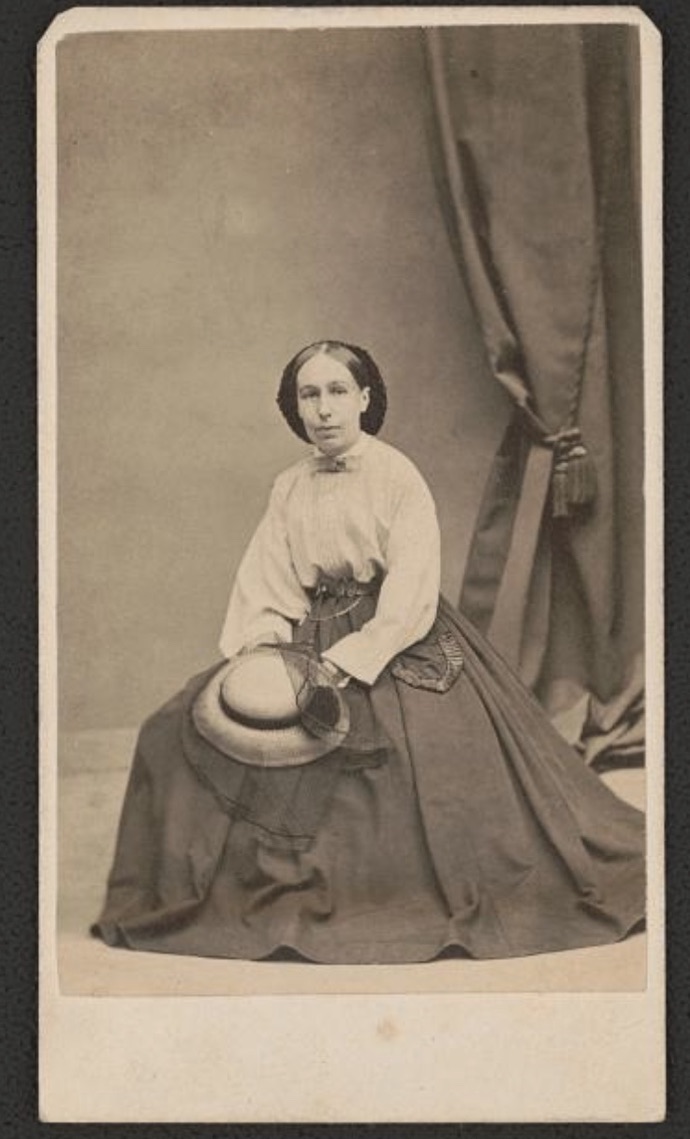
Civil War Nurse.
Nursing the injured is one important and heroic role that women have played though the years. Back in the Civil War days (1860s), nursing was not really a formal job with training. Women volunteered to help and learned to care for patients on the job. In 1862 Katherine Wormsley was living in Newport and was asked to be the head nurse at Lovell Hospital here in Portsmouth. She brought with her a staff of all women to supervise nurses who cared for patients in this 1700 bed hospital. Up until this time the supervisors had been all men. Katherine moved quickly and efficiently to set up round the clock schedules for proper care of patients. She asked for repairs to holes in the walls and appealed to towns like Portsmouth, Middletown and Newport for food and goods for the wounded soldiers. Her service lasted only a year, but those who worked with her describe her as being “clever, spirited, and energetic.” I would add heroic. Caring for wounded soldiers was a difficult task.
Mary Lopes, a Portsmouth woman who answered the call.
The Naval Reserve Act of 1916 permitted qualified “persons” for service and the Secretary of the Navy began enlisting women as “Yeoman (F).” Over 11,000 women answered the call. They served in a variety of jobs: clerical, bookkeeping, inventory control, telephone operators, radio operators, pharmacists, photographers, torpedo assemblers and other positions. The women did not go to boot camp, but they were in uniform. They had some of the same responsibilities and benefits as the men. Like the men they earned about $28 a month. They were treated as veterans after the war.
What do we know about Mary? Her parents were Manuel Lopes and Georgina Lopes. Their farm seemed to be on Middle Road close to School House Lane but there are listings for East Main Road also. The town directory of 1919 lists her as a “Yeowoman” in the United States Navy and living at home.
After the war the women were quickly released from service, but Mary stayed very active in the Portsmouth Post 18 of the American Legion. She was later Post Commander of the Rhode Island Women’s American Legion Post. Mary even returned to service as a nurses’ aide with the American Red Cross during World War II.
Our “Rosie the Riveters”
In 1943, Secretary of War Henry L. Stimson said “The War Department must fully utilize, immediately and effectively, the largest and potentially single source of labor available today—the vast reserve of women power.” At the Naval Torpedo Station in Newport women worked hard and long hours manufacturing torpedoes. At the Station, women worked in the Supply, Machine, Chemical, Personnel, Engineering, Design and Materials Departments. Newport resident, Isabella McNulty, was regularly exposed to poisons while she loaded equipment which screwed into the base of the torpedo shell. The building she worked in was incredibly loud and the powder she handled was poisonous. The women in this department did not wear gloves, because the parts they handled were so small that a gloved hand did not have the precision needed for the task. These were heroic women.
Women in the military today can serve in combat and non-combat roles. They can serve as pilots, mechanics, and infantry officers. Women continue brave service in support of the nation.


 portsmouthhistorynotes