Home

The Glen Neighborhood: Fogland Ferry During the Occupation

Leave a comment


The Glen area was a strategic area for both the British and American forces during Campaign on Rhode Island 1778. State Senator and historian Erich A. O’D. Taylor wrote about Fogland ferry fortifications in his article on the Rhode Island Campaign.
Octobert 22, 1777, there were rumors of an impending American landing near the Fogland ferry. American General Spencer did not try that, but English General Pigott strengthened the works at Butts Hill, Fogland Ferry and Lawton’s Valley.

Taylor wrote:
“The commander at Fogland Ferry had no small task before him to safeguard the nearby farms. It is interesting to learn therefore that this important position was usually assigned to Hessian regiments and was so well defended and its duties so well executed that the inhabitants complimented the commanders when they were relieve and returned to town. Among those who returned thanks to Captain Baron de Malsburg of the regiment Ansbach-Bayreuth on his leaving this post are to be found – Mr. Bowler, Restcome Sanford, Elisha Coggeshall, George Martin, Jonathan Davenport, John Lawton, Giles Slocum, George Taber, Giles Lawton and John Sanford…The farmers thoroughly understood the Hessian soldiers who came of a range of agriculturalists like themselves. During the quiet summers of 77 and 79 when no “assault was intended on the city,” many of these Hessians hired themselves out to farmers, working for the small wage of (about 51 cents ) a day.’
Lafayette and Silas Talbot: the Pigot Plot

Leave a comment

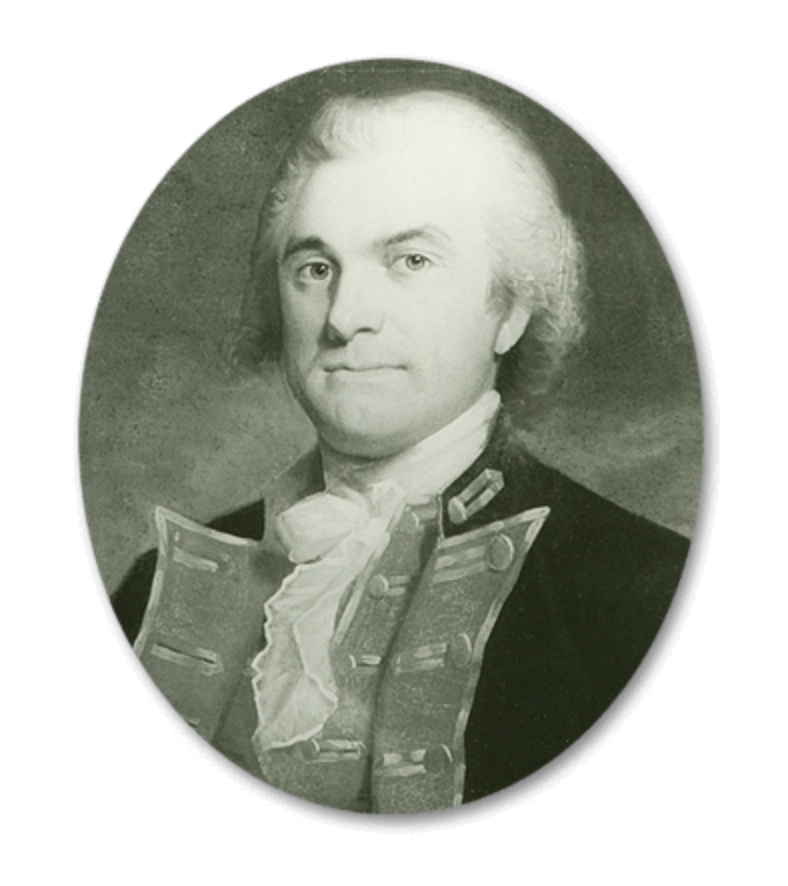
We tend to think of the Rhode Island Campaign ending as the Americans retreated to Tiverton. I have been researching the movements of Lafayette in Rhode Island and I am more aware of the actions of the Continental troops on the East and West Bays directly after the retreat. Lafayette wrote letters that provide us with clues to what was happening in the East Bay. The Americans were successful in moving their troops and equipment off Aquidneck Island, but the decision of the French to leave for Boston to repair their ships left bitter feelings. Lafayette had an idea for a small victory to boost morale. On September 8th, 1778 he wrote to Silas Talbot . I am quoting the letter, but phrasing some of it in more modern language.

Sir,

The reputation which you have already acquired by your zeal and skill in the artificial way (as a mechanic in the military), leads me to communicate to you a plan where I think some success could be obtained. I wish to have heavy and strong scows upon each of them a twenty-four pounder would be fixed and then by a calm night, attack an English frigate who lies upon the North end of the island. The directions we could take should prevent her giving us any broadside before receiving many shots directed in such a way as to annoy them extremely.

In the same time she would be busy in her defense I wish two or four fire boats full of fascines, tar, old muskets, and bombs could be directed to the other side so as to enflame her.

If you believe, sir, such a scheme might succeed, I would be obliged to you to come immediately from Providence with such artificial provisions as would enable us to try the experiment without loss of time. You could take down two or three or more large scows or ferry boats who would extremely well do the business for fixing cannon on them. That affair must be kept very secret. With the greatest and more sincere esteem I have the honor to be dear sir your most obedient servant.

Silas Talbot did follow through with Lafayette’s idea. In coming blogs I will give more background on the adventures of Talbot and his daring exploits.

Letter taken from Lafayette in the Age of the American Revolution. Edited by Stanley J. Idzerda.