Home

Annotated Timeline: Battle of Rhode Island and Aftermath

Leave a comment

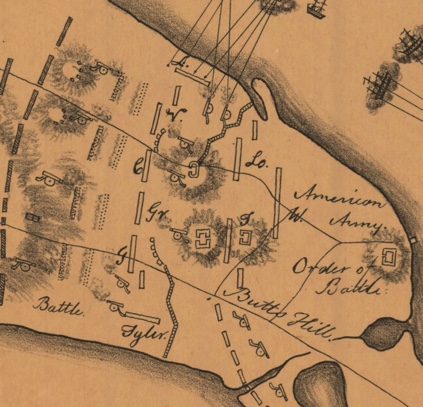
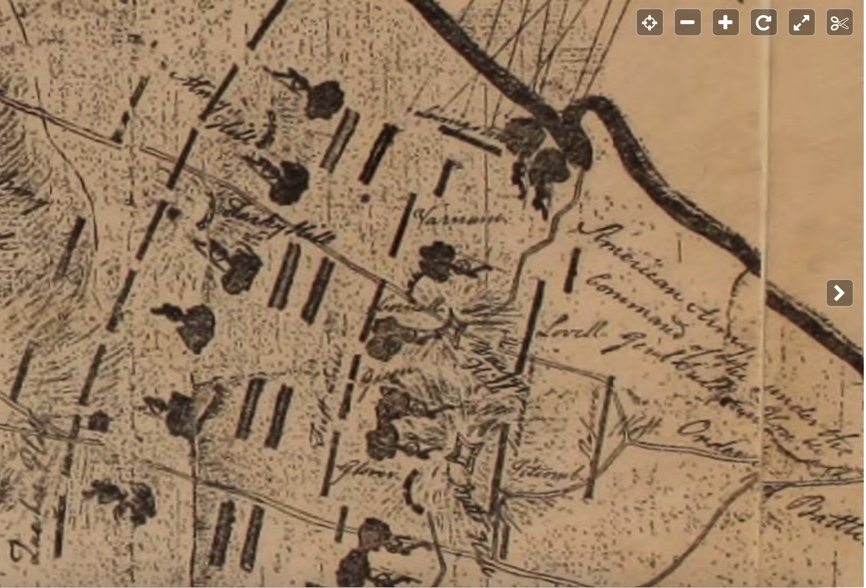
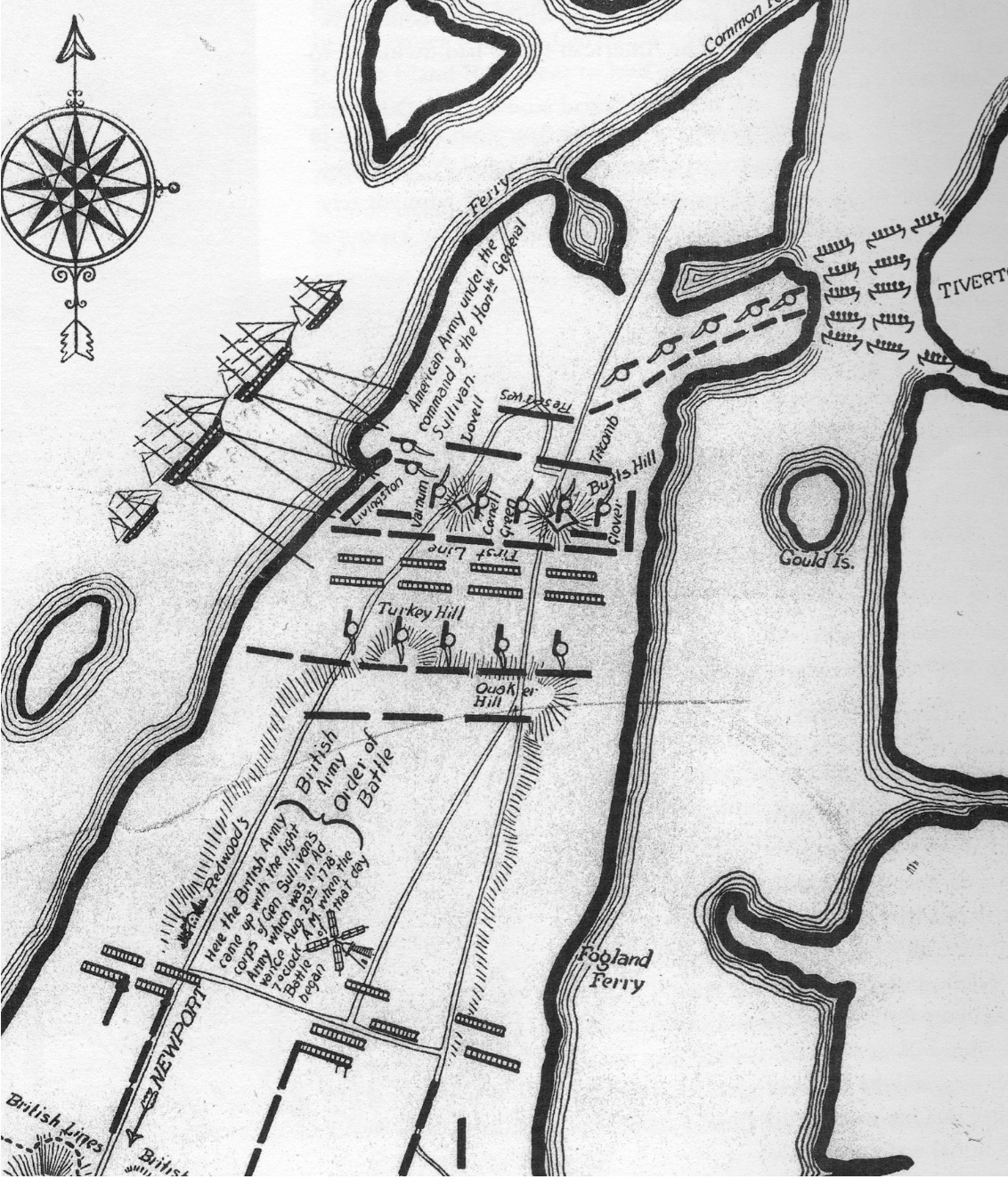
Overnight August 28 – 29, Sullivan began his preparations to defend the route to the Howland ferry towards safety in Tiverton. He positioned forces in a line from Turkey Hill by West Road and Quaker Hill on East Road. Holding this area so all his troops and baggage could get off the island was his aim. His best men, divided between militia and Continentals, were positioned to delay the British troops. John Glover commanded the troops on the left wing on the eastern side of the island. Command of the right wing was given to Nathanael Greene. Men were positioned in various positions up East and West Roads. Action in the Battle of Rhode Island took place along those two main road and Middle Road. Sometimes there were two or more actions going on at approximately the same time. This brief timeline is an approximation.

For clarification the British and Hessian leaders are noted with a (B) and the American leaders are noted with an (A).

August 29, 1778

Dawn:
*Captain Mackenzie (B) saw empty American works. He traveled to Pigot’s (B) headquarters to inform him of withdrawal. Pigot decided to hamper the retreat.

6:30 AM:
*General Prescott (B) moved out with the 38th and 54th Regiments to occupy fortifications at Honeyman’s Hill in Middletown.
*Brigadier General Smith (B) marched toward Quaker Hill by East Road with 22nd and 33rd Regiments with the flank companies of the 38th and 54th.
*On West Road Captain von Malsburg (B) and Captain Noltenius (B) with Hessian Chasseurs advanced toward Laurens (A). Behind them came Major General von Lossberg (B) leading two Anspach battalions.

7 AM:
*Von Malsburg (B) spotted Laurens (A) and Talbot (A) with their Light Corps behind stone walls to the south of Redwood House. Americans were driven back up West Road.
*Livingston’s men (A) attacked Smith’s men (B) from behind stone walls on East Road.
Commander Pigot ordered von Huyne’s Regiment (B) and Fanning’s Regiment (B) to support von Lossberg (B) on West Road.
*Pigot (B) orders Prescott (B) to send 54th Regiment and Brown’s Regiment to reinforce Smith (B) on East Road.
8 AM:
*Von Lossberg (B) sent troops toward Lauren’s positions on three sides.
*Coore’s and Campbell’s troops (B) ran into a group of Wade’s (A) pickets by the intersection of East Road and Union Street.
*British moved down Middle Road and East Road toward Quaker Hill.

8:30 AM:
*Von Lossberg (B) came to the aid of Hessian Chasseurs.
*Laurens (A) and his Light Corps was forced to retreat across Lawton’s Valley to the works on a small height in front of Turkey Hill.
*Lauren retreated to Turkey Hill. Laurens was told to retire to the main army as soon as possible.
Hessian (B) attackers arrived on top of Turkey Hill.

9 AM:
*Wigglesworth’s Regiment (A), Livingston’s Advanced Guard (A) and Wade’s pickets (A) waited for British at the intersection of East Road, Middle Road and Hedley Street.
*Quaker Hill was the scene of intense fighting.
*Americans retreated toward Butts Hill and Glover’s (A) lines.

9:30 AM:
*From top of Quaker Hill, Smith (B) could see strength of Glover’s position.
*Smith was under orders not to begin a general engagement, so he decided against a frontal assault. *Smith withdrew forces to the top of Quaker Hill.

*10 AM:
*Von Lossberg’s (B) troops arrived at Turkey Hill.
*Americans had positions on Durfee’s Hill and Butts Hill.
*Samuel Ward (A) and the 1st Rhode Island Regiment (Black Regiment (A)) held an Artillery Redoubt. *His men repulsed von der Malsberg’s (B) men.

11:30 AM:
*Von Lossberg (B) ordered von der Malsburg’s men (B) to try to attack Ward’s (A) First Rhode Island Regiment position again.
*British ships Sphynx, Spitfire, and Vigilant shelled the American positions from the West shore, but they did little damage.
*The Americans held their position.

1PM:
*British ships planned to attack American positions.
*General Greene’s (A) men dragged cannon down to the beach and forced the British ships to retreat.

2 PM:
*Pigot (B) reached Quaker Hill to observe the action.
*Pigot ordered Landgrave (B) and Ditfurth Regiment (B) to march to von Lossberg’s (B) troops.

4PM:
*General Glover (A) saw movement in British lines and ordered Tyler’s Connecticut militia (A) and Titcomb’s (A) Brigade of Massachusetts militia to positions behind stone walls (maybe Freeborn Street), but the British did not engage.

7PM:
*Landgrave (B) and Ditfurth (B) Regiments arrived at von Lossberg’s lines.

7PM (August 29) to 3AM (August 30) :
*There was sporadic artillery fire and light skirmishing. Musket and cannon shots were heard for seven hours.
*The Battle of Rhode Island was basically over.
*The Americans and British forces retired to their lines.

Aftermath of Battle

August 30

Sullivan assigns men to bury the dead. The wounded are ferried to hospitals on the mainland. American troops use the day to rest and recover. Sullivan receives word that d’Estaing is not coming back. He also receives a letter from Washington warning that Howe’s British fleet is on the way. The fleet is observed off Block Island. Sullivan moved quickly to complete a retreat off Aquidneck Island, but he staged Butts Hill to look like they were fortifying for a fight.

6PM:

*After all the baggage had been removed, Sullivan issued the order for all his men to depart the island.

11 PM:

*Lafayette returns from Boston. He assumes supervision of the retreat of the last of the pickets. He orders the building of fires to suggest the army was hunkering down.

*By midnight: Most of the troops are off the island.

August 31st: By 3 AM all the troops are on Tiverton side.
Annotated Timeline of Rhode Island in the Revolution: Rhode Island Campaign – Siege of Newport

Leave a comment

The Occupation of Aquidneck Island dragged on for almost two years when a plan was devised to work with French allies in pushing the British out of the island. On May 4, 1778 Congress ratified a treaty of alliance with France. The Rhode Island Campaign was devised as a wedge action. The Americans, under the leadership of John Sullivan, would cross from Tiverton to Portsmouth and drive south to set up a siege of Newport. Meanwhile the French, led by d’Estaing, would arrive by sea and attack the British from the sea.

July 11, 1778, Continental Congress authorized Washington to request the northeastern states to raise militia for a joint operation with the French.

July 20, 1778, d’Estaing announced he would sail for Newport and not the alternate target of New York.

July 22, 1778, Washington’s delayed letter informs Sullivan that the French fleet is headed to Newport, and he directs Sullivan to increase the size of his militia forces from 5000 to 7500. Varnum’s and Glover’s brigades along with an additional attachment under Henry Jackson would head towards Providence.

July 27, 1778, Washington dispatches two Continental Army divisions under General Nathanael Greene and General Lafayette to Rhode Island. Although Greene was the Army Quartermaster, he was anxious to have a command, especially in his home state.

July 29, 1778, French ships arrive at Narragansett Bay. Washington had arranged for pilots to guide the French ships in the Bay. Two or three ships were stationed in the shallow Sakonnet River to the East of Aquidneck Island. Other ships positioned anchored near the entrance to the Sakonnet Channel. Most of the French ships had anchored about three miles south of Conanicut Island (Jamestown).

Four British frigates anchored at various points of the west side of Aquidneck Island where they would remove their cannons, ammunition and supplies. On the Sakonnet side the Spitfire and Alarm and the sloop Kingfisher were unloading at Fogland Ferry. In Newport harbor the Flora and Falcon did the same.

July 30, 1778, trapped by the French navy, British ships the Kingfisher, Alarm and Spitfire were ordered to be torched. Ammunition that had remained on the vessels caused explosions.

August 1, 1778, General Sullivan and Admiral d’Estaing meet, agree on simultaneous attacks on the Island on August 8. British Commander Pigot was expecting a siege and he ordered all sheep and cattle in Portsmouth and Middletown (except one per family) to be driven behind British lines in Newport. Carts, wagons, and tools like picks and axes were all collected and brought to Newport. The soldiers’ families and regimental baggage were brought to Newport. Wells in Portsmouth and Middletown were filled in so there would be no drinking water for the enemy.

August 3, 1778, British forces felled trees to block the roads running from Portsmouth and Middletown into Newport. To prevent the French from landing their troops, five or six transports were sunk by Goat Island. One of them (the Lord Sandwich) had been James Cook’s ship Endeavour.

August 5, 1778, more British ships (Orpheus, Lark, Cerberus, Juno and Pigot) were purposely sunk in the harbor to hinder the French and to avoid their capture.

August 6, 1778, Due to late arriving militia, Sullivan informs d’Estaing of postponement of the attack. British cannons fire on French ships.

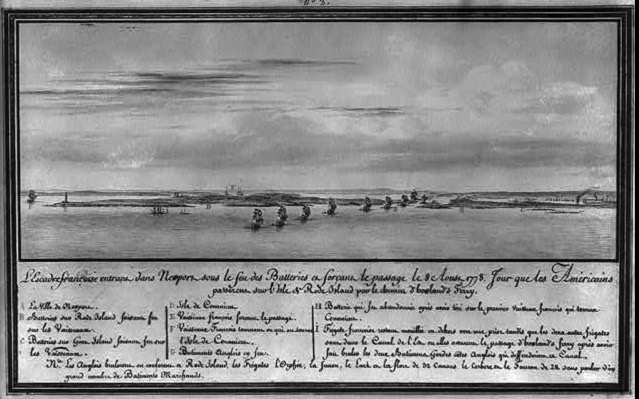
August 7-8, 1778, d’Estaing enters Narragansett Bay, causing the British to withdraw from north end of the Island into prepared positions along the Newport-Middletown border.

French ships in a row

August 9, 1778, Realizing the British had withdrawn south, Sullivan moves his forces onto the Island. Two to three thousand French forces land on Conanicut Island. D’Estaing is furious that the Americans have reached Aquidneck Island early. D’Estaing is alerted to the imminent arrival of Howe’s fleet which was coming from New York. He decides to go out and fight Howe’s fleet and then go to the aid of the Americans. There was shelling between the French fleet facing Newport and the shore batteries controlled by the British.

August 10, 1778, French head out to sea. Both French and British fleets maneuver for advantage, but before they can engage, both fleets are scattered and damaged by a hurricane. Both leave for port and repairs. American commander John Sullivan prepared to shorten the distance between the American lines and the British line. He was going to lay a siege because by then he had 11,000 men.

August 11 – 12, 1778, General Sullivan prepares to work toward British positions, but the hurricane causes him to delay. The weather during the night of the 12th was especially fierce and the Americans had little shelter from the pelting rain and wind. The camp was a swamp.

For the British and French fleets out on the water, the weather turned to serious wind gusts. Heavy rain, gale force winds and thick fog hampered both fleets. The winds began to topple the masts. By 4 am on the 12th the French flagship Languedoc had lost its bowsprint, all of its masts and its rudder. It was simply floating without being able to steer.

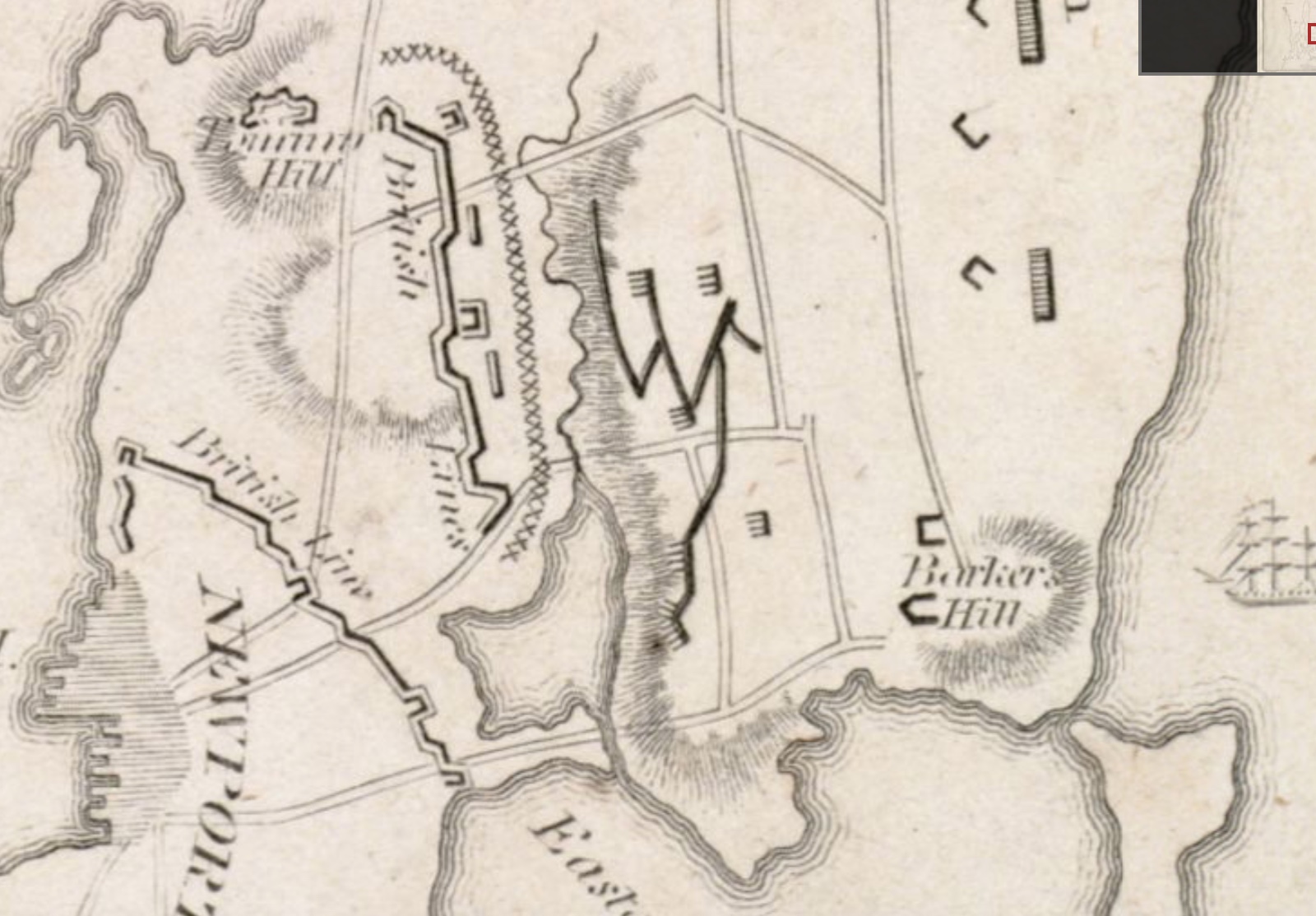
August 15, 1778, Americans open the Siege of Newport. The Americans needed to construct defensive works, so Sullivan marched them south with banners flying. By 5 PM they halted and pitched camp by Honeyman Hill in Middletown. This was a high point where the Americans could view the British lines. However the 20 day enlistments of many militia units were up and they left. Sullivan was waiting for new units to arrive. Col. Paul Revere commanded the Boston artillery train and John Hancock was major general of the 3000 member Massachusetts militia.

British lines on the left – American lines on the right.

August 16, 1778, Americans were preparing a four cannon battery on the western slope of Honeyman Hill. The British opened fire as the fog lifted, so the Americans worked on the trenches and battery in the dark or fog.

August 20, 1778, d’Estaing’s battered ships return to Narragansett Bay. D’Estaing informs Sullivan he must immediately leave for Boston for repairs. His order from the King of France was to protect his fleet.

August 21, 1778, Sullivan sends Nathanael Greene, Lafayette and Col John Langdon to board the Languedoc – d’Estaing’s ship and talk with d’Estaing. D’Estang still decides to have the fleet sail for Boston.

August 24, 1778, Sullivan receives word that a British naval force is on its way to Newport. Sullivan and his officers prepare for a quick withdrawal. At a council of war there is unanimous agreement to move the troops to the Portsmouth end of the island to wait for the French return. Sullivan advocated for a gradual and orderly retreat.

August 25, 1778. All unnecessary baggage was removed off the island. Work on the trenches stopped. Volunteers began to leave in large numbers. Revere and his artillery and Hancock and his Massachusetts militia are among those leaving the island. Hancock asks for a letter of introduction to talk to d’Estaing in Boston. Mortars and heavy cannon were taken off the island.

August 27, 1778, Sullivan sends Lafayette to Boston to determine when d’Estaing would come back to Rhode Island. Lafayette made the 70 mile trip in just 7 hours. By this time Sullivan had lost 3,000 volunteers through illness or decisions to leave the island.

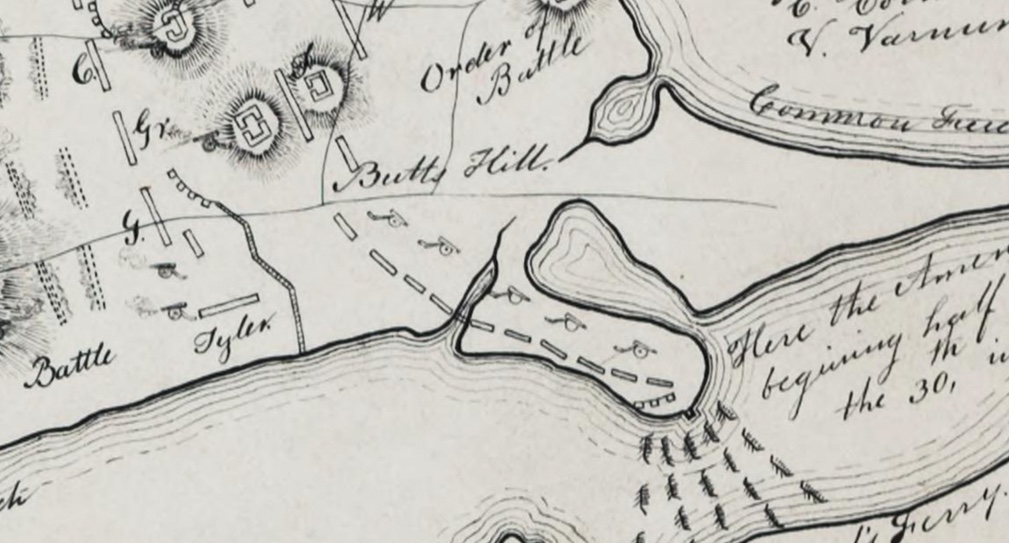
August 28, 1778, American council of war decides to withdraw Patriot forces to defensive positions around Butts Hill. They would be close to the ferry landings if they needed to withdraw completely. By 8PM the soldiers put down their tents and marched out with Greene commanding the West column up West Main Road and Glover leading the other column up East Main.

Resources: This timeline is based on Christian McBurney’s book – The Rhode Island Campaign.

Annotated Timeline of Revolutionary Rhode Island: 1770 – Declaring Independence

Leave a comment

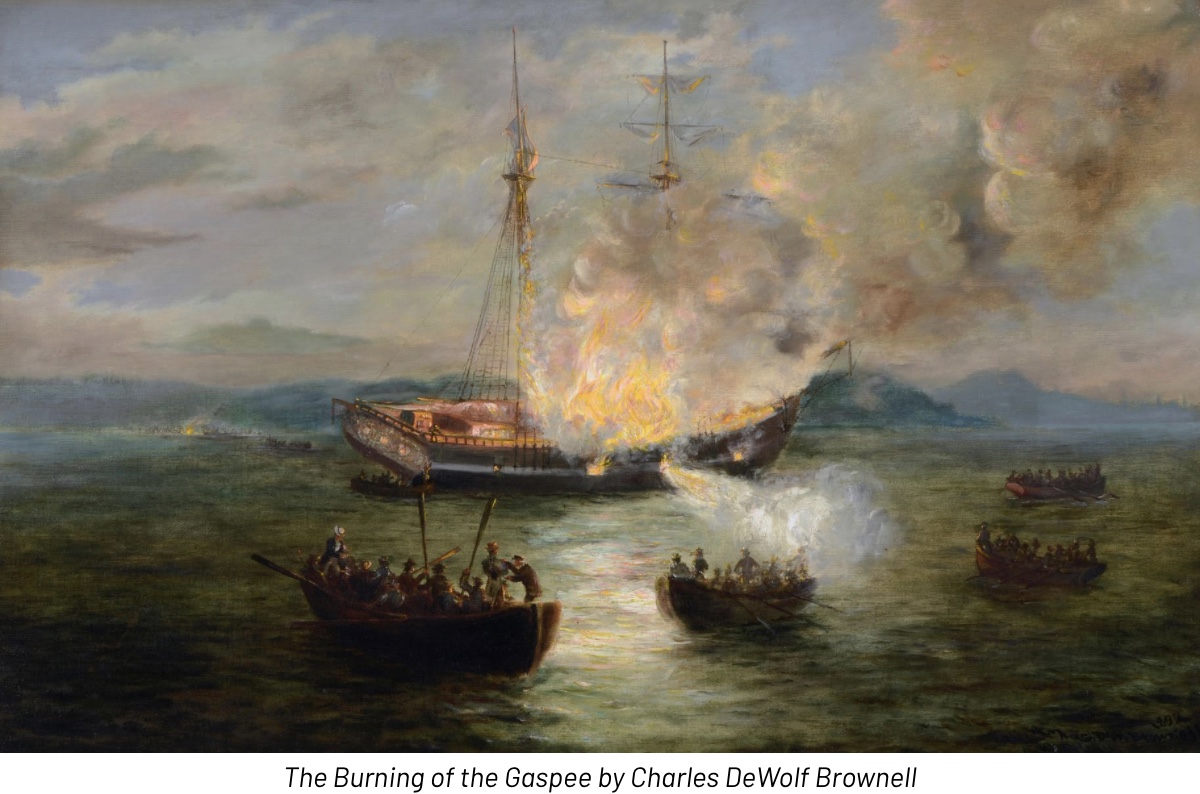
June 9, 1772: The Burning of the Gaspee

The burning of the British vessel, the HMS Gaspee on June 9, 1772 was a protest to the British Navigation Acts. The Navigation Acts were meant to force Americans to only trade with the British Empire. The Rhode Island economy was based in trade with the wider Atlantic. Just selling to the Empire was not enough for their molasses trade. That created a tension with the colonies (and Rhode Island in particular) and led to an increase in piracy and smuggling. The acts permitted the customs inspectors to board any colonial ship. In February of 1772, William Duddingston, the commander of the HMS Gaspee, arrived in Rhode Island. He used this permission to search any vessel as he saw fit. Merchants objected to his searches and seizures of their goods. The local Sons of Liberty, looked for an opportunity to retaliate.

Their chance came in June 1772. The HMS Gaspee was alone and without a local pilot, but it chased a local boat called the Hannah . The Hannah could manage the shallower water, but the Gaspee ran aground. The Gaspee would be released by the tide early the next morning,. While the ship was in a vulnerable position, the Sons of Liberty rowed out and attacked the crew. Captain Duddingston was wounded. After all crew members were taken off the ship, the Sons of Liberty set fire to the Gaspee.

The event was too blatant to ignore and Parliament wanted prosecution of the attackers. Some famous names associated with the attackers are John Brown, Abraham Whipple and Ephraim Bowen. Although there was reward money offered, Rhode Islanders refused to cooperate with the British and no one was ever prosecuted. Duddingston, however, was courtmartialed.This event led to the Committees of Correspondence, a network that united the colonies in their resistance to British rule.

Every year for 50 year the village of Pawtuxet (near Cranston and Warwick) celebrates this event with Gaspee Days and a Parade.

October 29, 1774: Rhode Island General Assembly actively organizing militias for war

As the threat of war intensified, the Rhode Island General Assembly passed a resolution on October 29, 1774 which listed militia forces that were to enlist men to fight against Crown forces. The Assembly had already ordered monthly militia drills and war preparations. Among the independent companies were the Kingston Reds, Pawtuxet Rangers, Gloucester Light Infantry, Providence Fusiliers, Providence Train of Artillery, and more. Earlier, in September, the Kentish Guards had received their charter. There was renewed interest in the traditional militias and independent companies were formed or renewed. Independent companies – Smithfield, Cumberland, North Providence, Wickford, Tiverton, Newport and Portsmouth were active. The Assembly had to create a committee to examine requests for establishing independent military companies. In Jan. 1775, these companies were grouped to form the R.I. 1st and 2nd Regiments, to answer the call of the Continental Congress which required two regiments in each colony.

Kentish Guards

April 22, 1775: 1500 troops raised in Rhode Island as an Army of Observation.

Upon hearing of the Battles of Lexington and Concord, the Kentish Guards marched toward Massachusetts to help the colonists. The Kentish Guards were a militia group that formed in East Greenwich, R.I. to protect the town from British attacks as tensions grew among the American colonists. The Guard was turned back at the state border at the order of Governor Wanton. Nathanael Greene and others went on to Boston to help. On April 22nd the Rhode Island General Assembly ordered a force of 1500 to be called into service of the colony as an “Army of Observation.” The purpose of this Army was repelling any ” insult or violence that may be offered to the inhabitants .” The Army was sent to the Boston area where it went into camp. Nathanael Greene of the Kentish Guards was made Commander of this Army of Observation and given the rank of Major General. Greene worked with the Army to bring discipline to the organization. Later this Army would be placed under the control of the Continental Army and Greene would become one of Washington’s best generals.

June12, 1775: Rhode Island becomes the first colony to establish its own navy.

Colonial General Assembly enacted a resolution to charter and arm two vessels for the protection of trade. In 1774, the British frigate, the Rose, under the command of Sir James Wallace, was sent to Narragansett Bay in Rhode Island. The Rose was successful in ending the smuggling that had made Newport wealthy. John Brown and other leading merchants advocated for the protection of Rhode Island trade. The Rhode Island Assembly directed the Committee of Safety to charter two vessels for protection. This action created the Rhode Island Navy, the first American Navy of the Revolution. Merchant Brown chartered one of his sloops, the Katy, to this new Navy.

June 15, 1775: First Naval Battle of Revolution

Abraham Whipple

Abraham Whipple assumed command of the Katy and a smaller vessel – the Washington. As the new commodore, Whipple lost no time in trying to clear the smaller ship tenders of the Rose from their positions in Narragansett Bay. Whipple had more fire power than the tenders and he was able to fire on the sloop Diana and take her as a prize. Whipple towed the Diana back to Providence and when the Rose sailed up the Bay to investigate what happened to the Diana, Newport citizens were able to recapture five out of the six Newport merchant ships that Wallace had confiscated.

October 13, 1775: Creation of Continental Navy.

The new Rhode Island Navy was not powerful enough to take on the British frigate Rose, so the Rhode Island Assembly instructed their delegate to Congress, Stephen Hopkins, to introduce a bill to create the national navy. Congress passed the bill on Octber 13, 1775. The Katy (owned by John Brown) became the first ship of the Continental Navy and was renamed the Providence.

May 4,1776: RI Legislature breaks allegiance to King George III.. First declaration of independence in the colonies.

Rhode Island’s General Assembly rejected King George and broke its legal ties to him two months before the independence was declared by the Second Continental Congress. What it did was repeal an earlier document which pledged Rhode Island to the King and Great Britain and it repealed language that bound the colony to Royal Authority. Before the declaration each elected officer in the colony had sworn allegiance to the king before assuming his duties. The General Assembly would continue to govern itself, and all court proceedings would be performed in the name of the state not the King.

Rhode Island Commanders in the Battle of Rhode Island

Leave a comment

Major General Nathanael Greene: He was born into a Quaker family in the Coventry area of Rhode Island. Greene worked as the resident manager of the Coventry Iron Works, working at the forge making large ship anchors and chains until you enlisted in the army. Although of Quaker background, he was active early in the colonial fight against British revenue policies in the early 1770s. He was self educated and valued books and learning – especially about military topics. He helped establish the Kentish Guards, a state militia unit, but a limp prevented you from joining it. Rhode Island established an army after the April 1775 Battles of Lexington and Concord. Greene was tapped to command it. Later that year he became a general in the new Continental Army. He served under George Washington in the Boston campaign, the New York and New Jersey campaign, and the Philadelphia campaign. He was appointed quartermaster general of the Continental Army in 1778, but reserved the right to command troops in the field. Before the Battle of Rhode Island, he was placed in charge of the right flank of the army. He had the reputation of being one of Washington’s most talented Generals. In 1780 Washington put him in charge of the Army’s Southern Campaign and he fought through the end of the War.

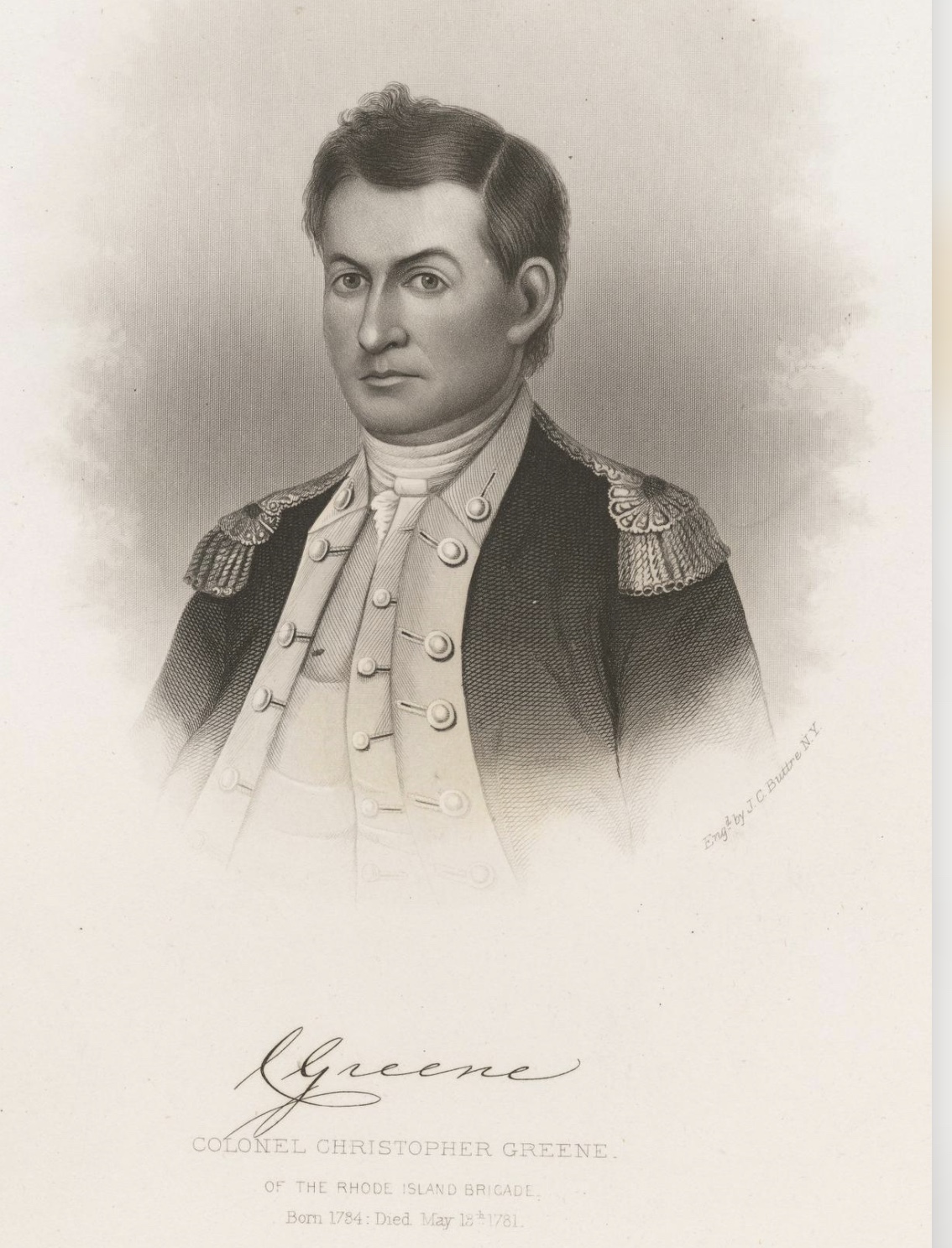
Col. Christopher Greene: He had long Rhode Island roots. He was a descendent of Rhode Island founder Roger Williams. Christopher Greene was a distant cousin of Nathanael Greene. Before the Revolutionary War, Christopher Greene served in the Rhode Island legislature from 1771 to 1772. With Nathanael he helped organize a militia unit, the Kentish Guards. After the Battles of Lexington and Concord he joined the army around Boston. He voluntarily joined Col. Benedict Arnold and was promotion to lieutenant colonel. He was with Arnold at the siege of Quebec and was was captured. He was released in August 1777 and joined the Continental Army for the Philadelphia Campaign. He was given command of the First Rhode Island Regiment. He defended Fort Mercer on the Delaware River. Washington agreed to enlist blacks and indigenous men to fill the ranks of a Rhode Island Regiment. The enlistments granted the soldiers their freedom if they served throughout the war. It benefited their owners with compensation. Christopher Greene was in charge recruiting, training and leading the 1st Rhode Island (the Black) Regiment. Colonel Greene died on May 14, 1781 at the hands of Loyalists by his headquarters on the Croton River in New York.

Col. Israel Angell: Angell came from one of the founding families of Providence. He served throughout the Revolutionary War. He was a major in Hitchcock’s Regiment at the beginning of the war and served with that regiment at the Siege of Boston. As the Continental Army was organized in 1776, Angell was part of the 11th Continental infantry. When Hitchcock was appointed brigade commander, he commanded the regiment. His regiment was re-named the 2nd Rhode Island Regiment on January 1, 1777. He was promoted to lieutenant colonel and shortly after to Colonel. He commanded the regiment following the death of Hitchcock. Angell was an experienced soldier who served at Valley Forge, the Siege of Boston, Brandywine, Red Bank, Monmouth and then the Battle of Rhode Island. At the Battle of Rhode Island he commanded 260 men. American General Nathanael Greene ordered Colonel Israel Angell’s 2nd Rhode Island Regiment to support Ward’s 1st Rhode Island Regiment. They were able to reach the key artillery redoubt before the British forces. He served in New York, but he retired from the army on January 1, 1781, after the two Rhode Island regiments were consolidated into a single regiment known as the Rhode Island Regiment.

Major Silas Talbot: He was born in Dighton, Massachusetts. He trained as a mariner and as a builder and made his home in Providence. In the aftermath of the burning of the Gaspee and the Boston Tea Party, Rhode Island merchants were alarmed.  Independent militias were forming and he joined and was commissioned as a Lieutenant.  He joined others in his company in learning military skills in a Providence warehouse, but he didn’t have any real military experience. On June 28, 1775 he answered the Rhode Island Assembly’s call to send units to Boston.  He marched with his men to join the Second Rhode Island Regiment and by July 1, he was commissioned a captain.  Talbot and the other 1200 men in the Rhode Island brigade took part in the Siege of Boston watching over the Red Coats but not in direct battle.  His skills as a bricklayer came in handy as they built barracks on Prospect Hill.  By April of 1776 the Siege was over and Rhode Islander Esek Hopkins, Commander in Chief of the Continental Navy, needed a crew to sail the ships home to Providence.  Washington offered to loan Hopkins men from the Rhode Island Regiment and he switched from soldier to sailor. He was involved in the Rhode Island Campaign. As someone with experience as a mariner and builder, he helped to construct the flatboats that would take American forces to Portsmouth on August 9th of 1778. During the Battle of Rhode Island, Talbot led men in the early skirmishes on West Main Road. Talbot had success fighting on both land and sea. In 1779 he was made a Captain in the American Navy after he captured a British ship.

Major Samuel Ward: Ward was the son of a Rhode Island governor. His military career began when you were commissioned a captain in the Army of Observation in May, 1775, at the age of eighteen. He participated in Benedict Arnold’s attack on Quebec in December, 1775, under Lieutenant-Colonel Christopher Greene. He was taken prisoner by the British and released in August, 1776. He was promoted to the rank of major in the First Rhode Island Infantry and, between 1776 and 1778, served with his regiment at Morristown, New Jersey (1777); Peekskill, New York (1777); Red Bank (Fort Mercer) under Christopher Greene (1777); Valley Forge (1778); and the Battle of Rhode Island (1778). Ward retired from the Continental Army on January 1, 1781, when the 1st and 2nd Rhode Island Regiments were consolidated into the Rhode Island Regiment. Ward was the grandfather of Julia Ward Howe

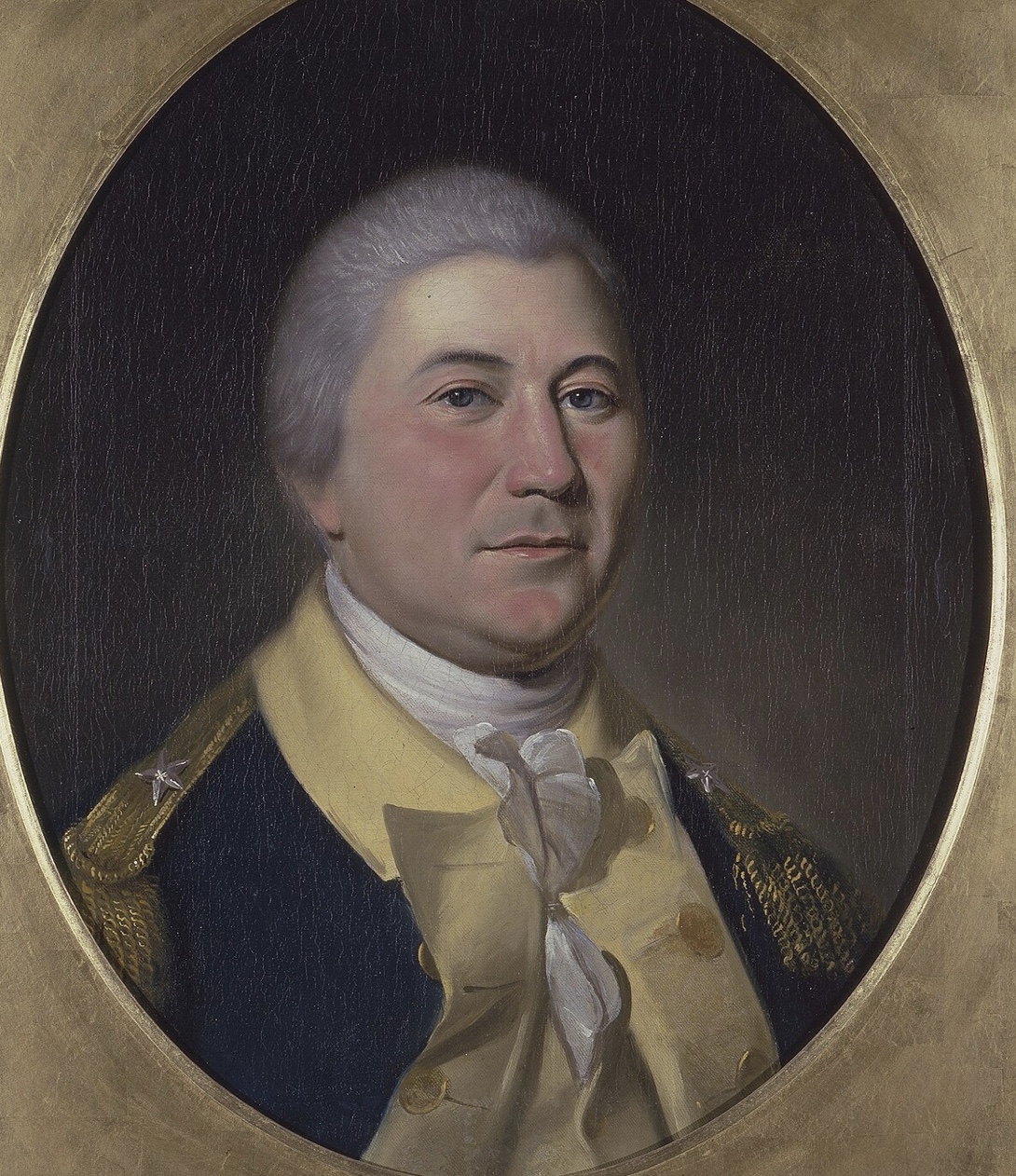
General James Mitchell Varnum: Varnum was born in Massachusetts but he came to Rhode Island to attend Brown. He married and set up a law practice in East Greenwich, and he independently studied military affairs. In October of 1774 he became a founder and commander of the Kentish Guards a imilitia company in East Greenwich, Rhode Island. With the fighting at Lexington and Concord, Varnum started to march his militia to Boston but they were not needed and headed home. In May 1775 Varnum was commissioned as a Colonel of the 1st Regiment of Rhode Island. By 1776 the regiment was folded into the Continental Army under the command of Brigadier General Nathanael Greene, Varnum’s friend. From Varnum and his Rhode Islander troops took part in participated major engagements including the Battle of Bunker Hill and the Battle of Rhode Island. Varnum and his men were at Valley Forge. Varnum was another proponent of raising a regiment of black and indigenous soldiers. In March 1779, he retired from the Continental forces and accepted a commission as Major General of the Rhode Island militia. Upon returning home to East Greenwich he was elected to the Continental Congress in 1780.

Nathanael Greene: From Private to Brigadier-General in 1775

Leave a comment

Greene was born into a Quaker family in the Coventry area of Rhode Island. He worked as the resident manager of the Coventry Iron Works, working at the forge making large ship anchors and chains until he enlisted in the army. Although of Quaker background, Greene was active early in the colonial fight against British revenue policies in the early 1770s. He was self educated and valued books and learning – especially about military topics. He helped establish the Kentish Guards, a state militia unit, but a limp prevented him from joining it. Rhode Island established an army after the April 1775 Battles of Lexington and Concord. Greene was tapped to command it. Later that year Greene became a general in the new Continental Army. Greene served under George Washington in the Boston campaign, the New York and New Jersey campaign, and the Philadelphia campaign. He was appointed quartermaster general of the Continental Army in 1778, but he reserved the right to command troops in the field. Before the Battle of Rhode Island, Greene was placed in charge of the right flank of the army. He had the reputation of being one of Washington’s most talented Generals.

Visit the Greene Homestead: http://www.nathanaelgreenehomestead.org

Commanders of the Battle: Greene And Glover

Leave a comment

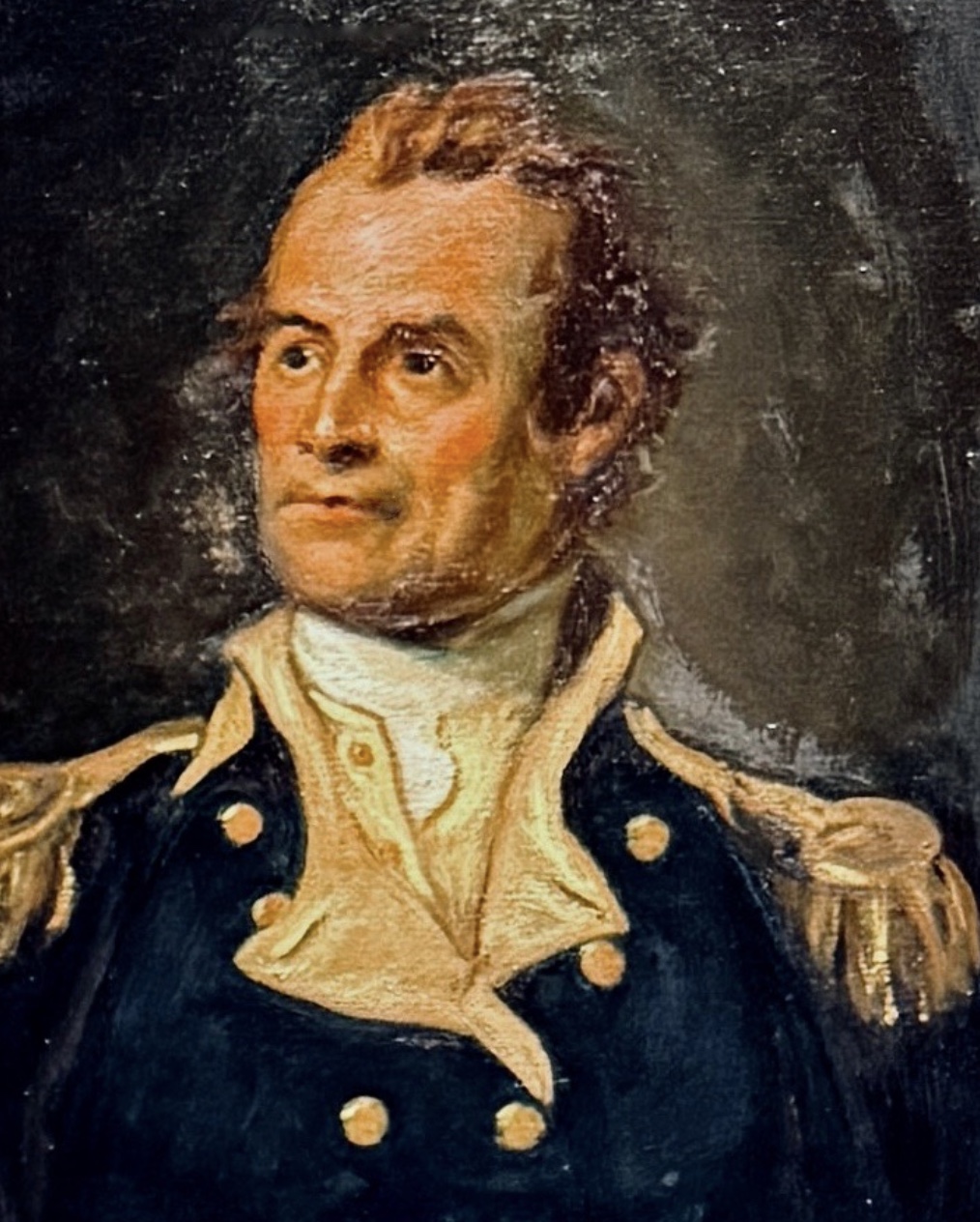
Major General Nathanael Greene – 1742-1786

Nathanael Greene

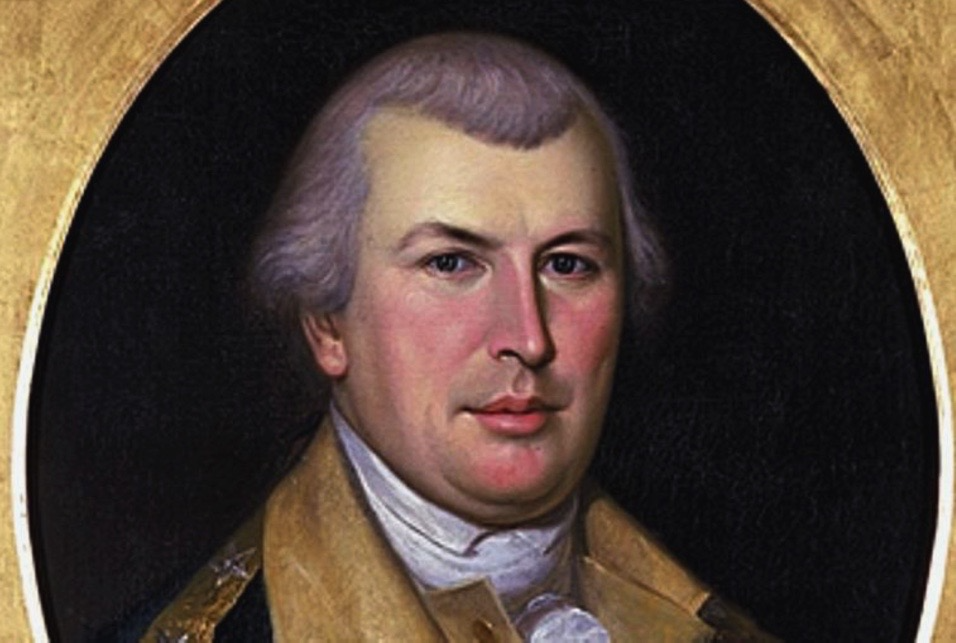
Greene was born into a Quaker family in the Coventry area of Rhode Island. He worked as the resident manager of the Coventry Iron Works, working at the forge making large ship anchors and chains until he enlisted in the army. Although of Quaker background, Greene was active early in the colonial fight against British revenue policies in the early 1770s. He was self educated and valued books and learning – especially about military topics. He helped establish the Kentish Guards, a state militia unit, but a limp prevented him from joining it. Rhode Island established an army after the April 1775 Battles of Lexington and Concord. Greene was tapped to command it. Later that year Greene became a general in the new Continental Army. Greene served under George Washington in the Boston campaign, the New York and New Jersey campaign, and the Philadelphia campaign. He was appointed quartermaster general of the Continental Army in 1778, but he reserved the right to command troops in the field. Before the Battle of Rhode Island, Greene was placed in charge of the right flank of the army. He had the reputation of being one of Washington’s most talented Generals.

Brigadier General John Glover 1732-1797

John Glover

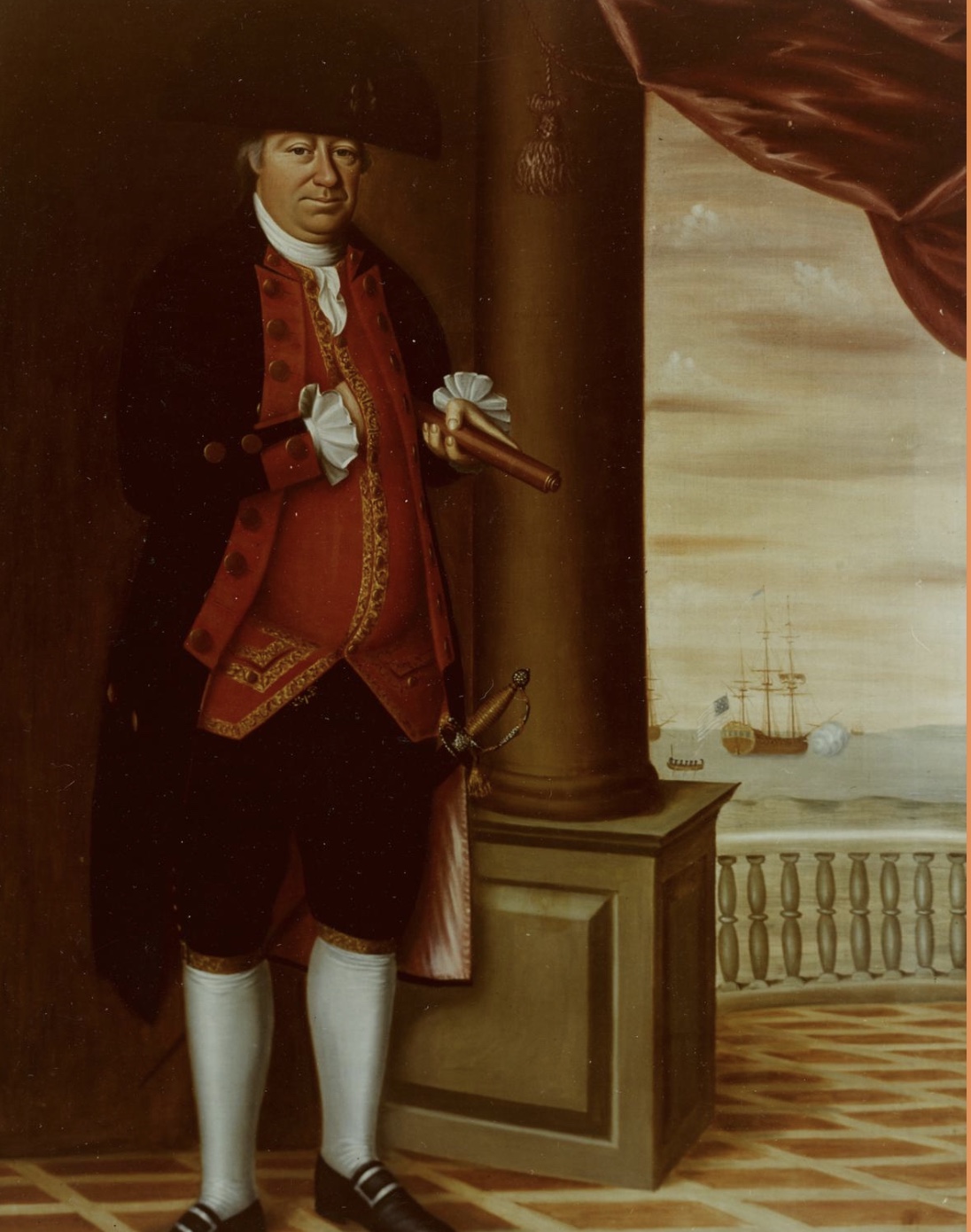
John Glover was born in Salem, Massachusetts, but he grew up in Marblehead. He began as a fisherman and merchant and ultimately owned his own ship. As tensions increased between the colonists and British Crown, Glover became active in the rebel cause. He joined the local militia and became commander in 1775. He participated in the siege of Boston. General Washington hired Glover’s ship to raid British shipping and it (the Hannah) became one of the first ships of the Continental Navy. The Marblehead militia became a Continental Regiment known as “the amphibious regiment.” Glover’s Regiment (the 14th Regiment) would have nearly 500 men – seamen, mariners and fishermen who had nautical skills. The 14th regiment was also integrated unit, with Native American, African American, Spanish, and Jewish volunteers all working together.

Decision Points – Battle of Rhode Island

Leave a comment

Christian McBurney’s book on the Battle Rhode Island Campaign provides me with a step by step breakdown of the action, but I still need to digest it slowly. While I work on a tabletop role playing activity centered around the Battle of Rhode Island, I am trying to draw out the points in the battle where decisions had to be made. These are some of the decision points I may include in the role playing.

August 28

  1. Once the Americans knew the French would not be returning, Sullivan’s council of war had to make a decision on whether to continue their Siege or Retreat.
  2. Once the decision was made to retreat – Sullivan had to devise a strategy for that retreat.

August 29

  1. In making a decision to retreat, how did the geography of Portsmouth affect the strategy for the retreat?
  2. How would Sullivan decide to distribute the seasoned soldiers and raw militia?
  3. How would Sullivan decide where to place the advanced guards to hinder the enemy?
  4. The British had been on the defensive with the Siege. What decisions does Pigot make to go on the offensive?
  5. What is Pigot’s strategy?
  6. On Turkey Hill, Lauren asks Sullivan for more men. What decisions does Sullivan make?
  7. When Malsburg is out of ammunition past Turkey Hill, what decision does he make?
  8. What were Malsburg’s decisions on attacking the redoubt.
  9. What decisions did the British Navy make?
  10. Greene urged Sullivan to Fully Engage when the British got beyond Quaker Hill. What decision did Sullivan make?
  11. How did the American actions change the Navy’s decisions?
  12. What decisions did Nathanael Greene make in flanking the Hessians?
  13. What decisions did Smith make when he had orders not to make a general engagement?
  14. Later in the afternoon, when Sullivan was faced with the choice of counter attack or stay put – what decision did he make?

Questions:

  1. How did both armies communicate?
  2. What were some of the tactics used by the Americans?
  3. What were some of the tactics used by the British?

Revolutionary Rhode Island Women: Catharine Littlefield Greene “Caty”

Leave a comment

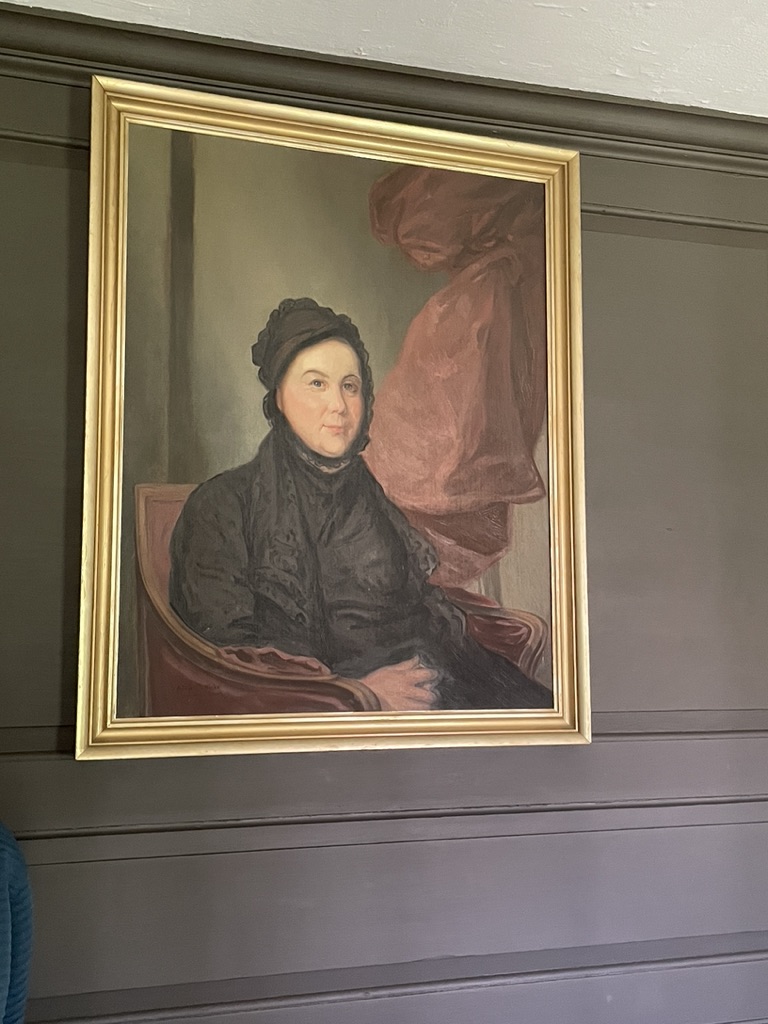
I became aware of Catharine Greene’s role in Revolutionary Rhode Island when I visited the Coventry home of General Nathanael Greene. I learned more about her as I read biographies of her husband. One of my goals this month (Women’s History Month) is to tell the stories of Rhode Island women who endured the hardships of the Revolutionary War and I will start with Catharine Littlefield Greene.

Her family called her Caty and she was born on Block Island in 1755. Her mother descended from Block Island founders and her father, John Littlefield, was a member of the Rhode Island legislature. Her Block Island childhood ended with her mother’s death when she was only 10 years old, and Caty went to live with and aunt and uncle. At that time her uncle, William Greene, was a Supreme Court justice, but he went on to being Governor of Rhode Island. Under the guidance of her aunt and uncle, Caty learned how to read and write and how to manage a household.

Nathanael Greene was a frequent visitor to Caty’s household and the pair married on July 20, 1774. The couple had little time together before the battles in the Revolutionary War began. Nathanael moved quickly from commander of the Rhode Island militia to general in the Continental Army. She opened her home in Coventry as a hospital when the Rhode Island troops were inoculated for small pox.

Caty traveled to wherever her husband was stationed (New York City, Valley Forge, Carolinas), even after the birth of their first child in 1776. There were women and children were “camp followers” who served as cooks or clothes washers. Caty had more comfortable quarters than they did, and she put her efforts into organizing events for the soldiers. She became friends with Martha Washington because they were often in camp together. She gave birth to five children during the years of the Revolution, but when she travelled she often left her children in the care of others. Being away from her children and being away from her husband were heartaches for Caty

We don’t have the letters that Caty wrote to her husband because she burned them. We do have some of his letters to her and we can get a sense of what her letters were like from how he answered her. During the Siege of Newport, Nathanael wrote:

“I am sorry to find you are getting unwell. I am afraid it is the effect of anxiety and fearful apprehension. Remember the same good Providence protects all places, and secures from harm in the most perilous situation. Would to God it was in my power to give peace to your bosom, which I fear, is like a troubled ocean….” Caty, like many other spouses of Americans in the Rhode Island Campaign, must have been fearful of the battle ahead.

Caty hoped that with the end of the war she could return to life in Rhode Island, but that did not happen.

In order to care for his troops, her husband had taken out loans, but Congress later denied his petitions to help him pay off the loans. Rhode Island properties were sold off to cover debts and the Greene moved to a plantation in Georgia. By 1786 Greene died of a sunstroke and Caty was left a young widow.

There is more to her story that I will tell in a later blog.

https://wams.nyhistory.org/settler-colonialism-and-revolution/the-american-revolution/catharine-littlefield-greene-miller/

Quote from Pg 115 Life of Nathanael Greene, by George Washington Greene,Vol.2.

Seth Anthony Remembers the Battle of Rhode Island

1 Comment

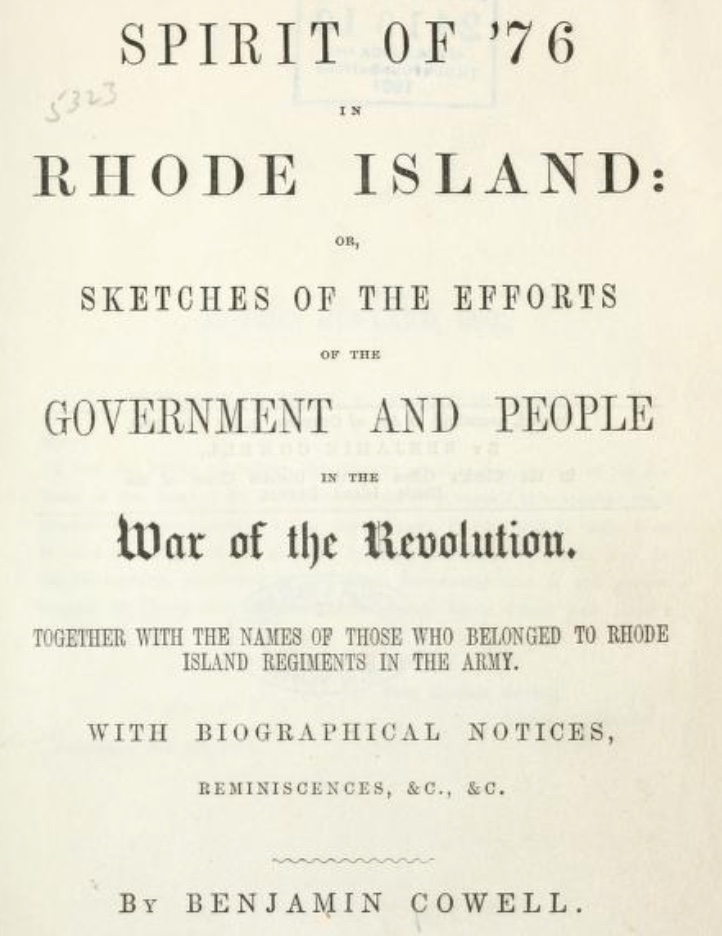
In researching another topic in Revolutionary Rhode Island, I came across a book by Judge Benjamin Cowell. Cowell was born in 1781, so he wasn’t a Revolutionary War Veteran, but he made it his aim in life to help Rhode Island veterans get their pensions. He began recording the stories these old soldiers had to tell to justify their service. Cowell began to gather eyewitness accounts, speeches, letters, rosters and every piece of information he could find on Rhode Island’s role in the War for Independence. In 1850 he gathered all this material into a book: Spirit of ’76 in Rhode Island. I am gradually making my way through this book, but I found a Portsmouth story to share.

Cowell introduces the story this way (he refers to himself as “the writer”: “In the summer of 1849, the writer reconnoitered the battle ground on Rhode Island to ascertain any interesting facts which might be within the recollection of any of the old inhabitants in the neighborhood; and in his researches, he called at the house of Mr. Seth Anthony, an aged “Friend” who now lives on the farm where the battle took place, and always lived in the neighborhood.  From him he gathered no little information, and from questions which the writer put to him he received a few days afterwards the following reply, which deserves a place in these sketches.

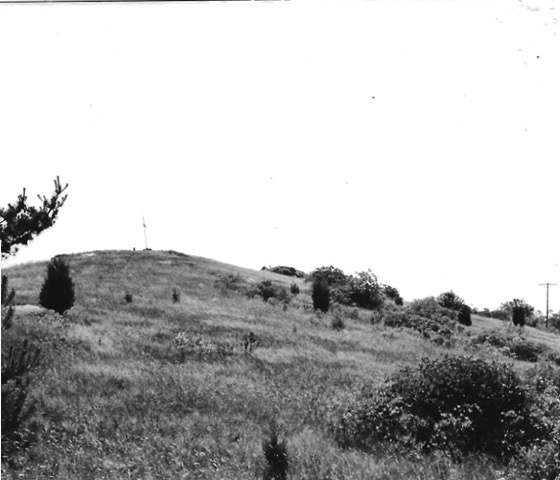
Portsmouth, Oct 13, 1849.  To Benjamin Cowell, Providence, Respected Friend, —In answer to thy questions I have to say, that I was about twelve years of age at the time of Sullivan’s expedition against the British, and lived with my father on the west road on the Island, about two and a half miles from Bristol Ferry, lived there all the time the British were in possession of the Island, and I have now, although eighty-two years of age, a distinct recollection of most of the events that took place, at least in our neighborhood.  The battle on the 29th of August, 1778, took place on the farm on which I now live, which is a little to the westward of the house where my father lived; there had been skirmishing all day, but the principal fight was a little northward of “Anthony’s Hill.” (Note that we call it Almy’s Hill.) Before the American troops came on the island, the British had fortified Butt’s Hill, one of their Generals (Smith) quartered at my father’s house, the Hessians quartered in the Friends’ Meeting House on Quaker Hill.  After General Sullivan came on, the enemy retreated towards Newport, and I recollect General Greene took up his quarters at my father’s house. 

Almy Hill Battle Site – Garman photo

When the enemy came back on the 29th, while Gen. Greene was eating his breakfast, our house-maid said to him, the British would have him; he observed very cooly “he would eat his breakfast first;”  after he had done he went to his troops.  During the day some Hessians entered our house, and plundered every thing they could,— they took my father’s silver knee-buckles; I saw one of them take hold of my father and demand his money and threatened his life, but he did not get it; my father had about two thousand dollars in gold and silver, but he had taken the precaution to bury it under an old stone wall.  The Hessians also searched my mother’s pocket, turned it inside out, but there was no money in it.  My father and mother were “Friends,” and we kept silence as to our political opinions.  I remember Gen. Green once observed that his mother was a Friend, and was opposed to his going into the army, but she said “if he would go, to be faithful.”  There appeared to be fighting all day, sometimes one side would drive the other and then be obliged to retreat.  But as far as I could judge, the main armies did not fight.  It appears to me the events of that day will always be fresh in my recollection.

I also remember the great storm some days before the battle, I never knew so severe a storm before; it lasted several days, and did a vast deal of damage.  The day after the battle the Americans all left the Island.  And I also do distinctly recollect that the day after the fighting the British determined to burn all the houses in our neighborhood, and would have done it if the Americans had not left the Island that night.- We had this information from the British Officers..  (Signed). Seth Anthony

“We fight, get beat, rise and fight again.”

Leave a comment

“Who won the Battle of Rhode Island?” someone asked me recently. I cautiously answered that I thought it was a draw. The Americans were able to get out of a tough situation with their men and equipment. They retreated from Aquidneck Island but lived to fight another day. They proved they could fight valiantly. The question of who won or lost has always been a sore point for me, especially when people dismiss the importance of the battle simply because it was not a Patriot victory.

Nathanael Greene
Nathanael Greene

I have been reading “Washington’s General: Nathanael Greene and the Triumph of the American Revolution” by Terry Golway. In battle after battle it seems that the Patriots had to retreat and retreat strategically. Golway quotes Greene writing to a French ally, “We fight, get beat, rise and fight again.” I found another similar quote in a letter about the Southern Campaign from Greene to Washington 1 May, 1781: “My public letters to Congress will inform your Excellency of our situation in this quarter. We fight, get beat and fight again.”

I understand a little more today than I did a week ago. Yes, we should celebrate the victories like Yorktown. But… we shouldn’t dismiss the retreats. They kept the Patriots going, wore down the British, and ultimately worked towards gaining Independence.

“We fight, get beat, rise and fight again.”

Resources:

Founders Early Access: https://rotunda.upress.virginia.edu/founders/default.xqy?keys=FOEA-print-01-01-02-5589

Golway, Terry. Washington’s General: n Nathanael Greene and the Triumph of the American Revolution. Holt, NY, 2006.

Older Entries