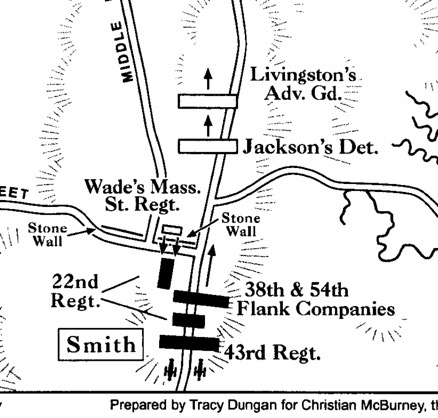
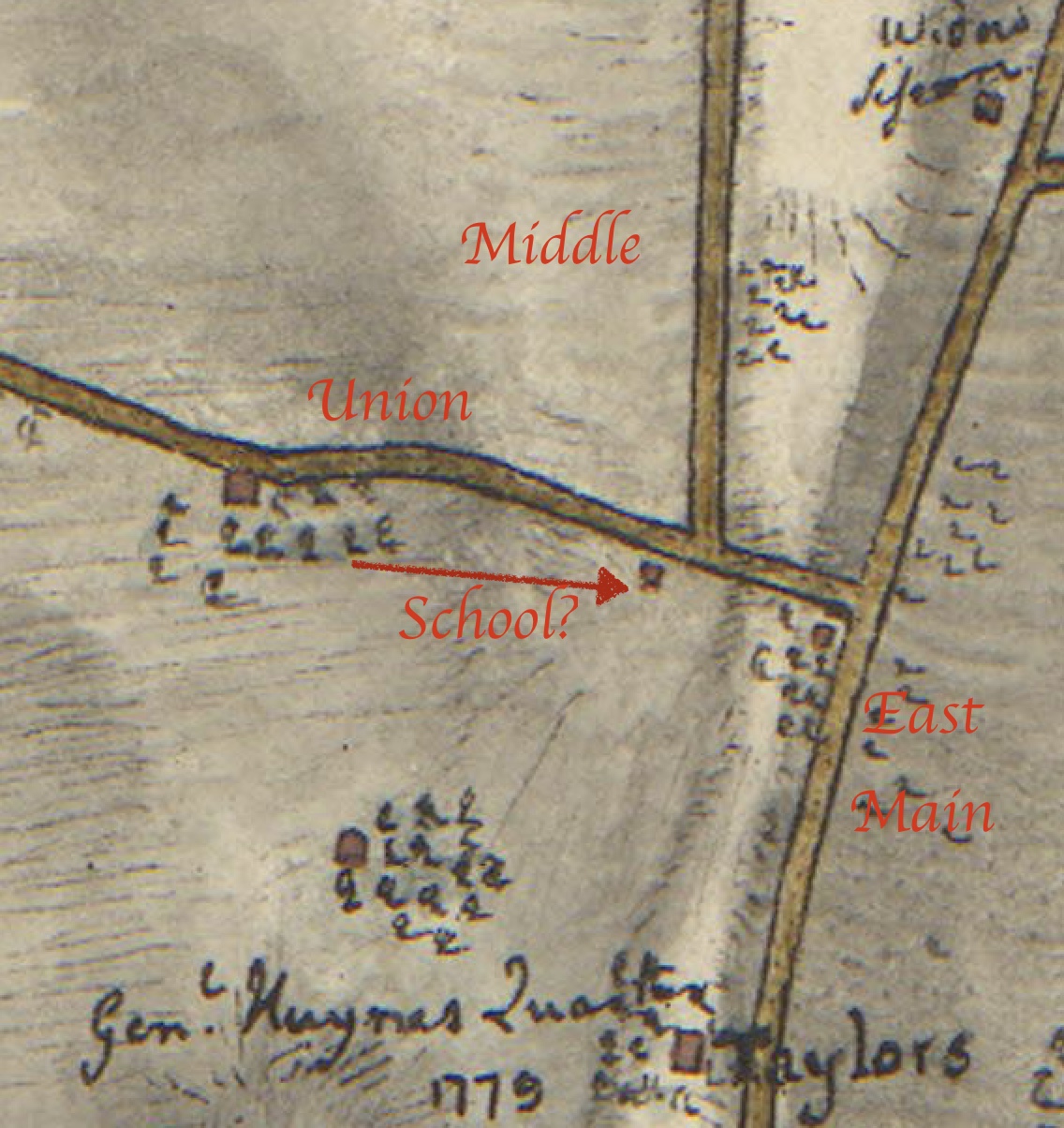
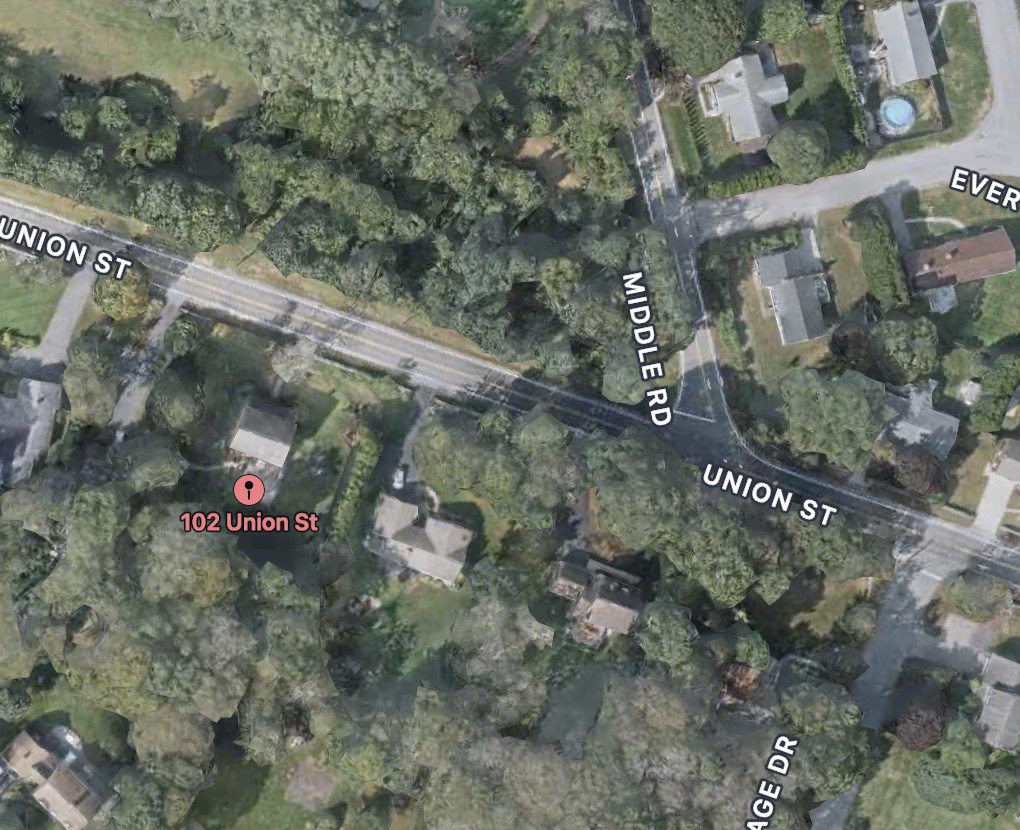
The original location of Southermost School may have been on Union Street near Middle Road. Edward West’s land grant maps are interesting, but may not be precise. A newspaper article quotes past Historical Society President Herb Hall as 102 Union Street as the location. That is slightly different from the land grant maps, but it still puts the building close to the action of the second skirmish of the Battle of Rhode Island. It would have been directly across from the stone walls where Wade’s men were hiding.
Another Revolutionary map (Fage 1779) shows a building that might be the school. The building on the corner of Union and East Main may have been the home of the Strange family. West’s maps show that was a small land grant to that family.
Portsmouth followed the example of Newport and Providence in wanting education for their children. Once Sanford had donated the necessary land, the town freemen “having considered how excellent an ornament learning is to mankind,” made in 1716 an appropriation for building a school-house. The experiment was successful, and six years later two others were built— one of them sixteen feet square, the other thirty by twenty-five.
Southermost School becomes a home.
Upstairs in the school room there was a hearth that provided warmth for the classroom. The town was to support the building and the students’ families provided room and board for the schoolmaster and his family. Schoolmaster James Preston and his family stayed close by at the home of the Strange family. As one of the few public buildings here in town it is also used for many purposes such as town meetings, church services and sheltering needy families. When the schoolmaster Preston became ill and later died, the Strange family refused to board Preston’s family. Schoolmaster James Preston was reported as being sick and helpless in 1727. In the early days it was the families of the school children that were responsible for the room and board of the schoolmaster and his family. In an article on “Relief Problems of Old New England,” West reports on Portsmouth Town Council decisions. “James Strange (Sarah’s husband) refuses to entertain James Preston and his family any longer in his dwelling house it is agreed by this council that said Preston and his family be settled in the Southermost School house in the town for the present, that is in the cellar part thereof…” The Town Council agreed to pay Preston’s wife money weekly to provide for the family. Now the building at that time was twenty-two feet by fourteen feet – not large at all to house a family and the school children.
In 1730 it was ordered “that James Preston and his family be removed out of the School house wherein they now dwell and that Rebecca his wife pay the charges of their removal and house rent out of the weekly allowance.” Rebecca was forced to “bind out her two eldest children otherwise the said council will put out the said Children in order for the lessening the Towns Charges therein.” Soon afterwards James Preston died and the town paid his funeral charges. There is no further mention of the family in town records.
In a turnabout, the Strange family ended up living at Southermost School. From the lands of Portsmouth – article by Edward West. pg 75
“Continuing along this road we come to the site of the Southern School House, where the widow Sarah Strange took up her residence after the death of her husband; for at a Town Meeting in 1746, she and her family were ordered out, so that the school house might be improved in the use for which it was built.”
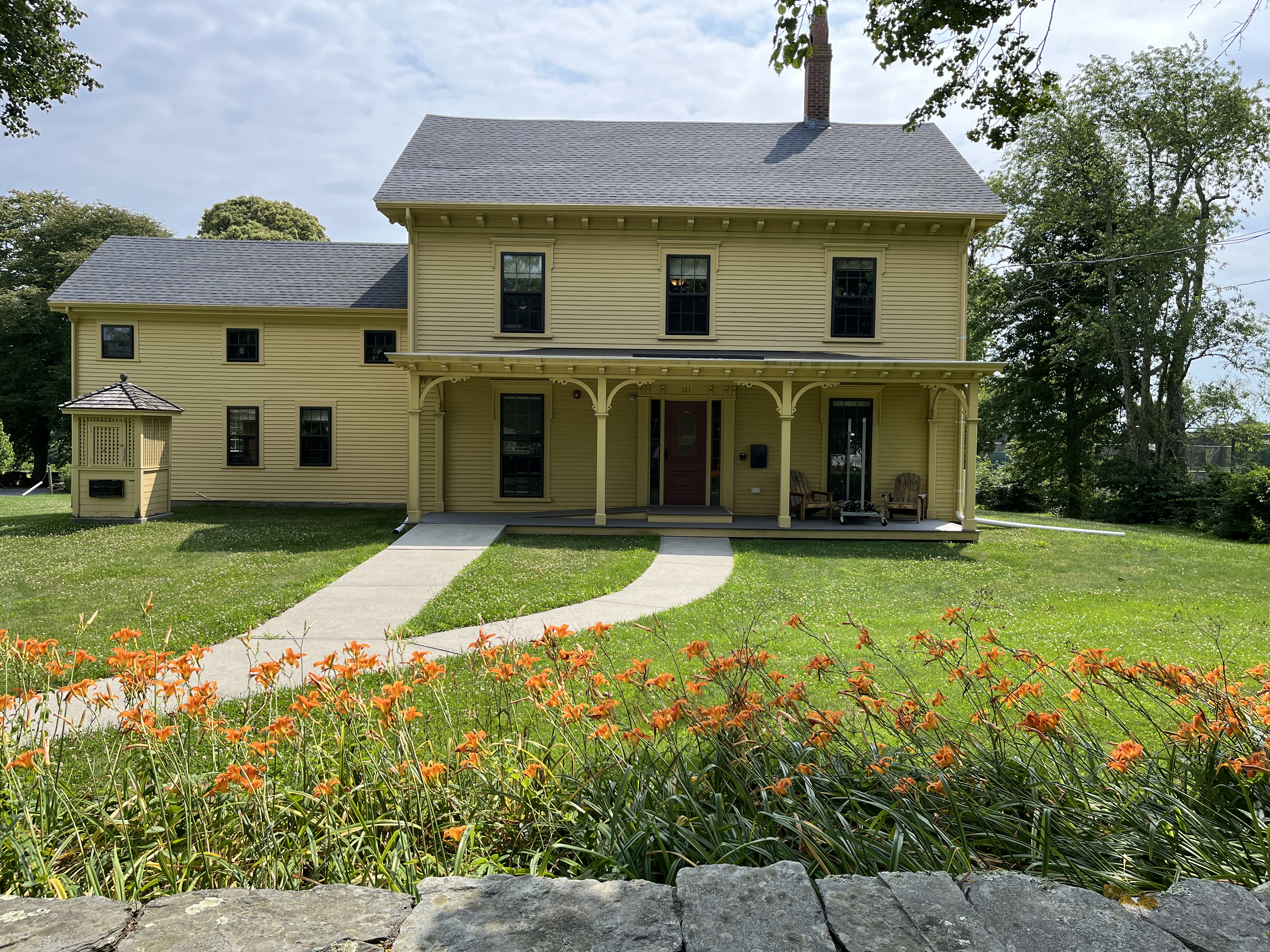
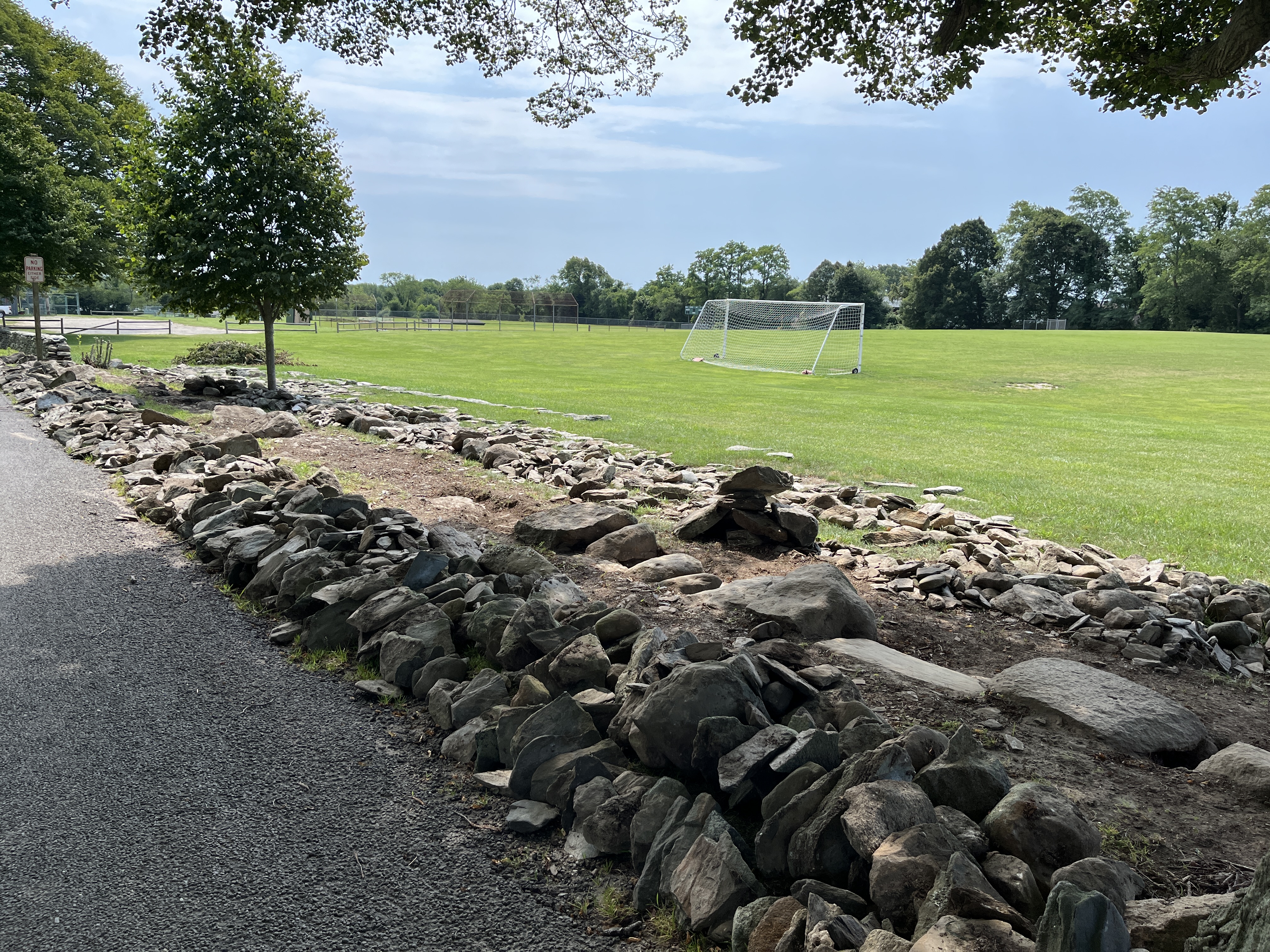
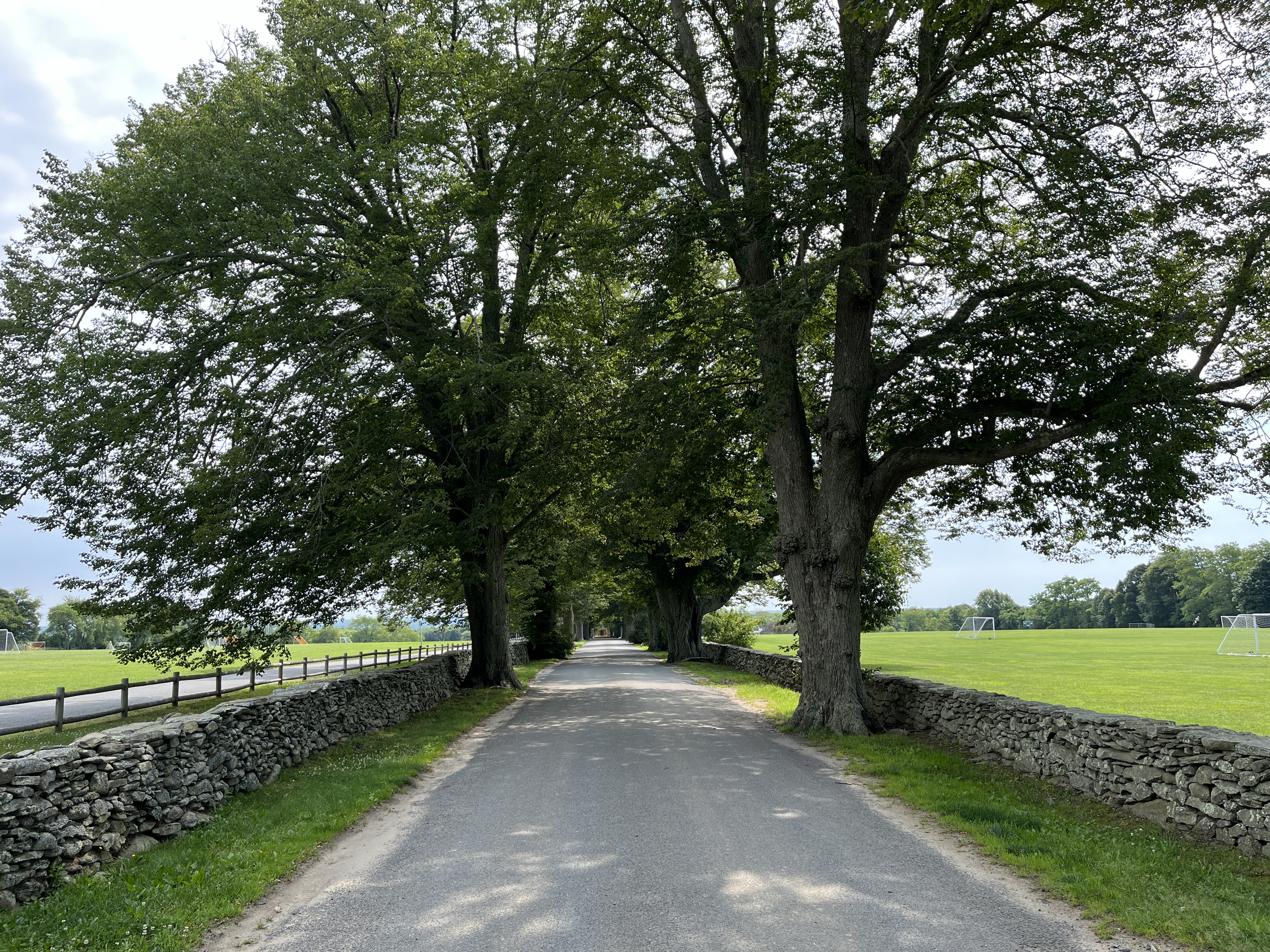
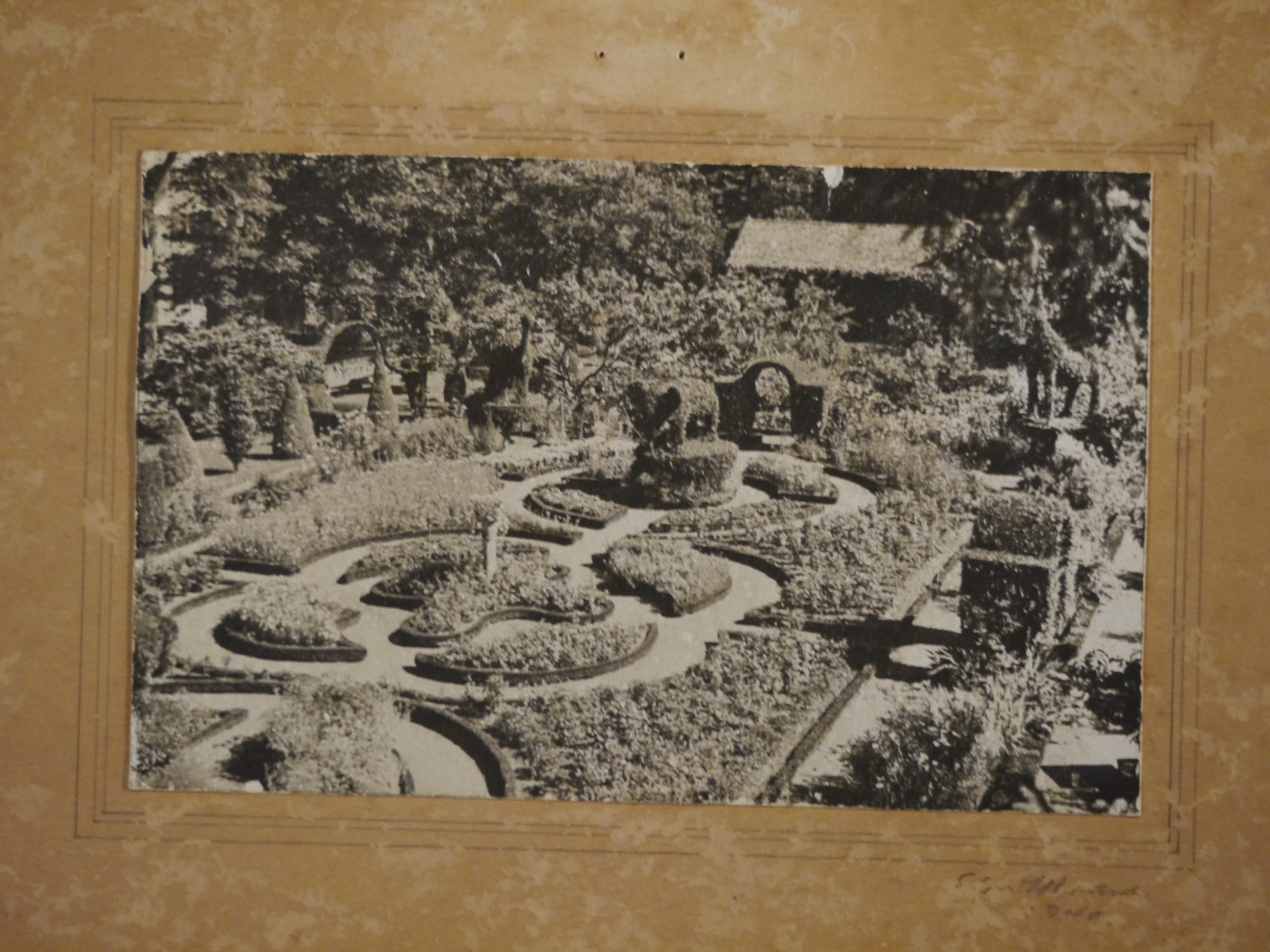 Green Animals: Brayton House c. 1859 Cory’s Lane
 portsmouthhistorynotes