April 22, 2012
portsmouthhistorynotes
Bristol Ferry Area, Ferries, Portsmouth History
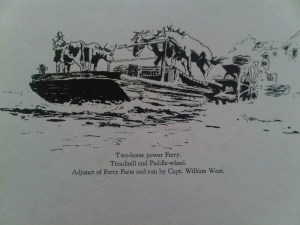
Horses powered Bristol Ferries in the mid 1800's.
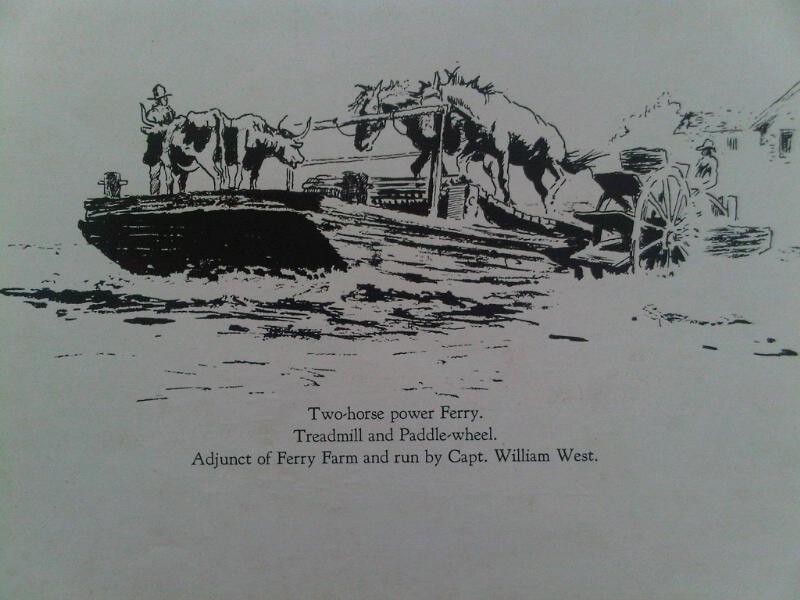
In 1824 the Rhode Island Steam & Team Boat Company was chartered to use either steam or horsepower to ferry from Portsmouth to Bristol. The boat was like a square paddlewheel boat with rounded ends. Two pairs of horses on both sides of the ferry provided the power as they moved on a large round disk. This was hard work and horses had to be replaced frequently. Ferry Farm was home to the horses. The horses proved to be an expensive way to power a boat and by 1845 the horse powered ferries were replaced by the steamboats or even sailboats when people were in a hurry.
(Image from book in PHS collection)
April 22, 2012
portsmouthhistorynotes
Bridges, Portsmouth History, Sakonnet River
railroad, railway
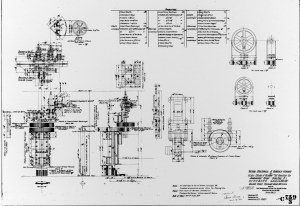
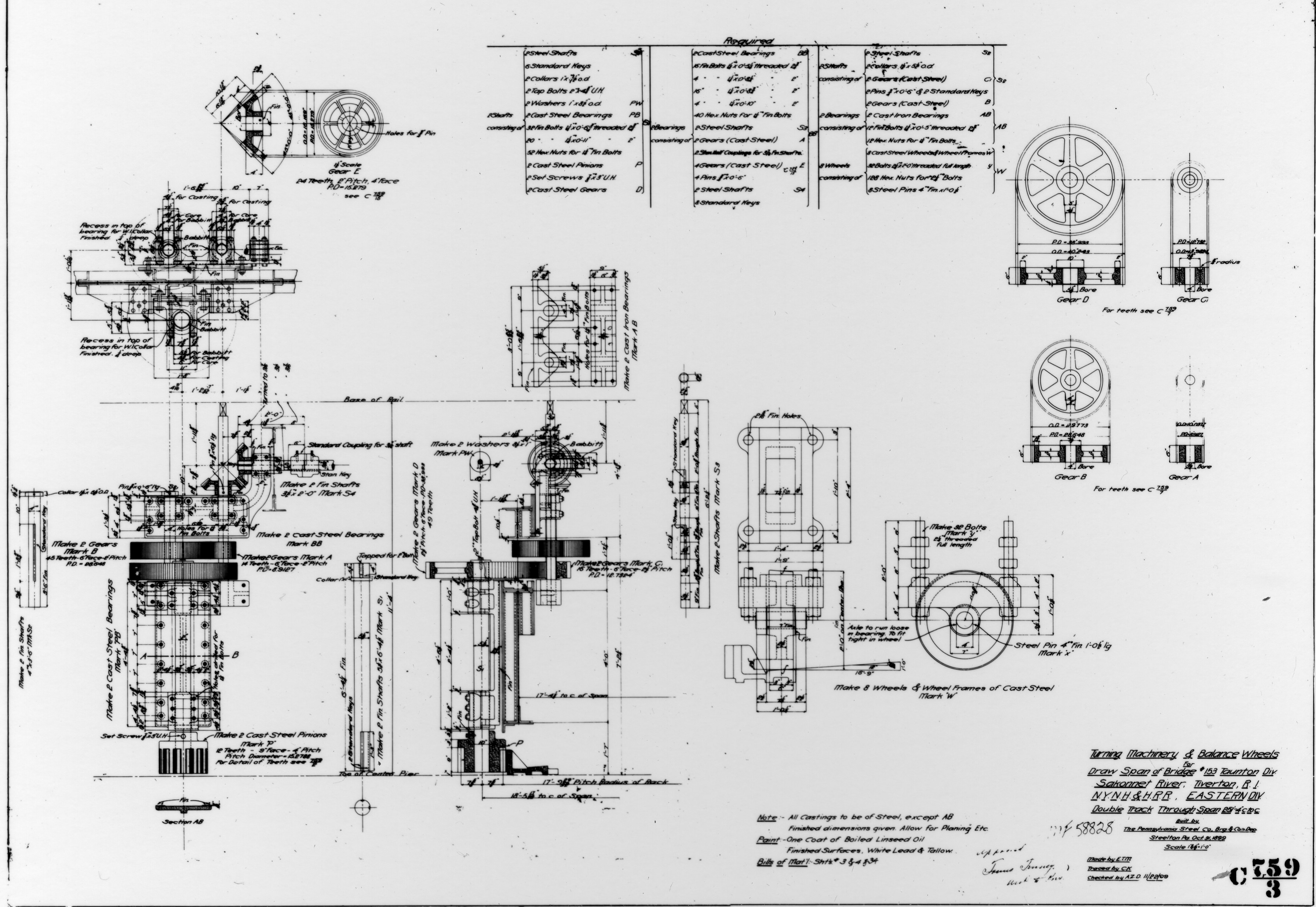
The Portsmouth Historical Society displays a piece of the railroad bridge. It may be a piece of the swinging mechanism.
The Sakonnet River Rail bridge was built in 1899. It was a “swing” bridge with part of the bridge staying anchored and the other part swinging back to allow boats to pass through. The bridge was damaged and closed in 1980 when it was damaged by a heavy train load. A barge ran into the open bridge in 1988 and it was removed in 2006 to 2007. The Portsmouth Historical Society has a circular piece of bridge in the Old Town Hall.
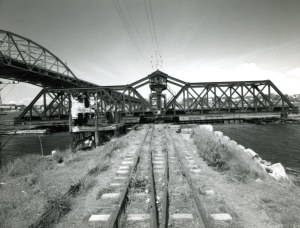
The bridge rail bed swings open so ships may pass through.
April 21, 2012
portsmouthhistorynotes
Bristol Ferry Area, Lighthouses, Portsmouth History
Treacherous shoals are marked by this 1901 lighthouse near Hog Island. There was a small light boat on the spot that the Old Colony Steamship Company used to aid their vessels. A larger boat, the Eel Grass Shoal Lightship, LV 12, was used beginning in 1886.

This 1901 Lighthouse replaced a light boat on the Hog Island Shoals. (Image G. Schmidt collection)
April 21, 2012
portsmouthhistorynotes
Bristol Ferry Area, Lighthouses
Bristol Ferry area
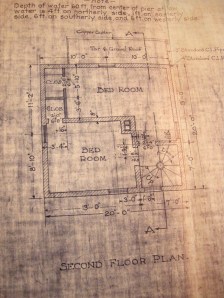
Plans in the PHS collections.
The plans of the Musselbed Shoal Light show the quarters for the lighthouse keeper. The keeper led an isolated life. Most keepers held the post for only a short time. A few of them lasted as long as ten years.
April 21, 2012
portsmouthhistorynotes
Bristol Ferry Area, Lighthouses
Bristol Ferry area
The plans for the later Musselbed Shoal Lighthouse are part of the collection of the Portsmouth Historical Society. These are plans for the 1877 lighthouse. Ice floes moved the entire structure of the original lighthouse. The stone pier was enlarged to protect the structure, but this house was also damaged by ice and hurricanes. The fog bell was mounted on the roof.
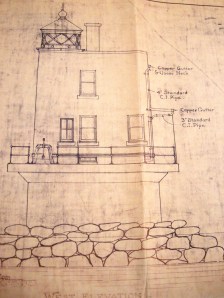
Plans for the Musselbed Shoal Light in PHS collection
April 21, 2012
portsmouthhistorynotes
Portsmouth History
Mount Hope Bridge
Musselbed Shoals is a dangerous spot for navigation through the channel from Narragansett Bay to Mount Hope Bay. It is evan noted on colonial era maps. In 1871 a beacon was placed there followed by a new light in 1873. This structure was damaged by ice floes. A new structure with built with more protection, but ice floes in 1919 -1920 damaged this one as well. The light was abandoned in 1938 and the lighthouse was severely damaged by the Hurricane of 1938. Later the building was torn down and an automatic light was installed that remains today.
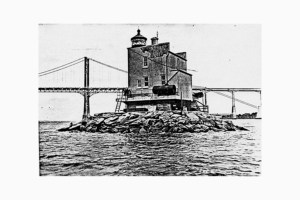
Musselbed Shoal Lighthouse operated until 1938 when it was replaced by an automatic light
April 21, 2012
portsmouthhistorynotes
Ferries, Portsmouth History
Ferries
Steamboat ferries operated out of Bristol Ferry Landing
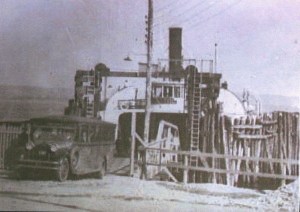
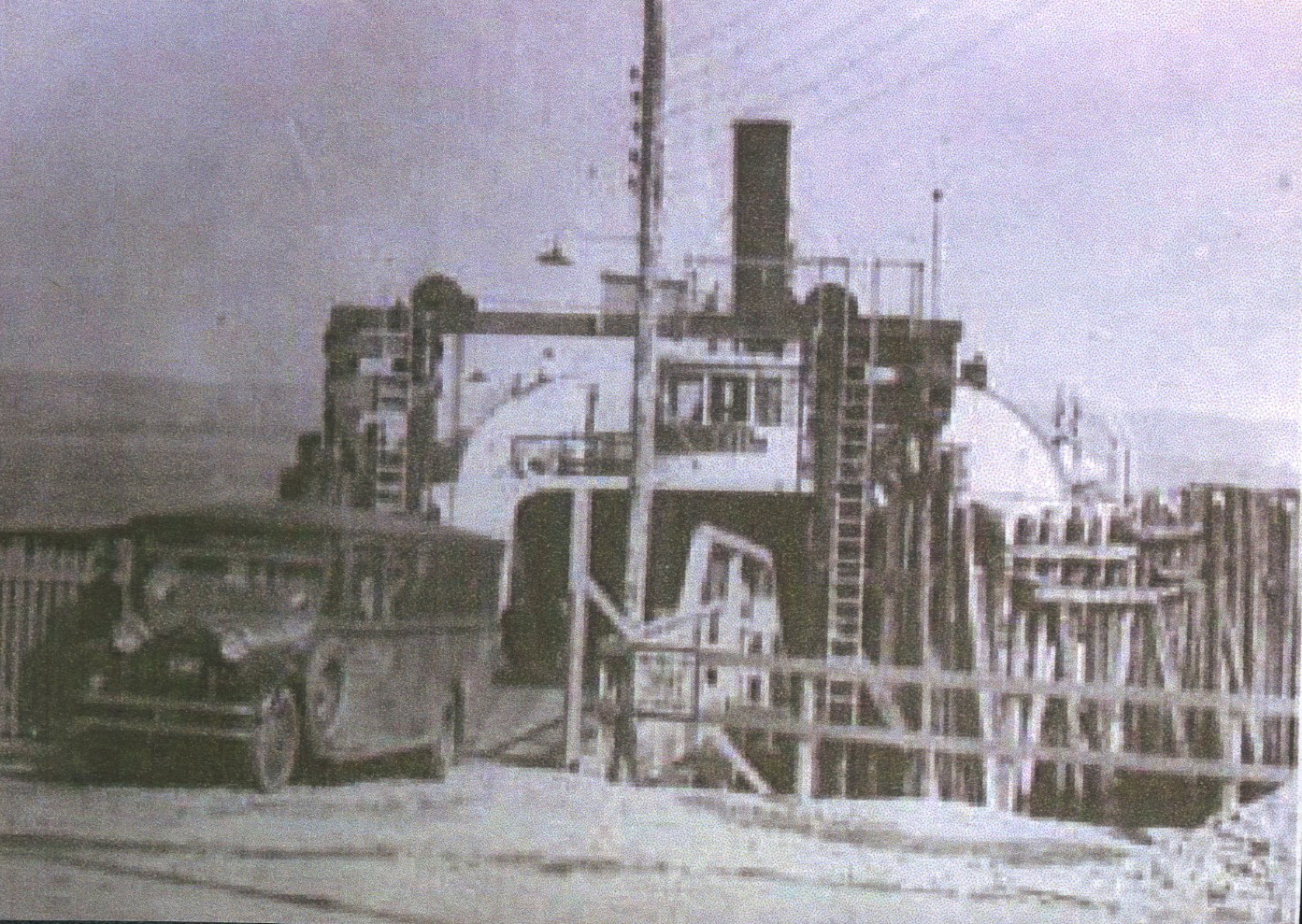
The Bristol was a steam powered ferry that transported automobiles.
from 1905 until the Mount Hope Bridge opened in 1929. The Bristol was a double ender type ferry that carried automobiles.
April 21, 2012
portsmouthhistorynotes
Bristol Ferry Area, Portsmouth History
Ferries

The Bristol Ferry Landing area was a transportation hub for Aquidneck Island travelers. (Image - G. Schmidt)
The Bristol Ferry area of Portsmouth was a transportation hub even in colonial times. It was a train station, a ferry landing, a loading dock for animals headed to market, a stage coach stop, a trolley car stop and a landing place for steam boats. To accommodate travelers, the village area at Bristol Ferry included places to eat and spend the night.
April 21, 2012
portsmouthhistorynotes
Portsmouth History
Bridges
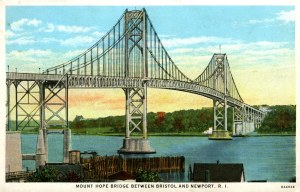
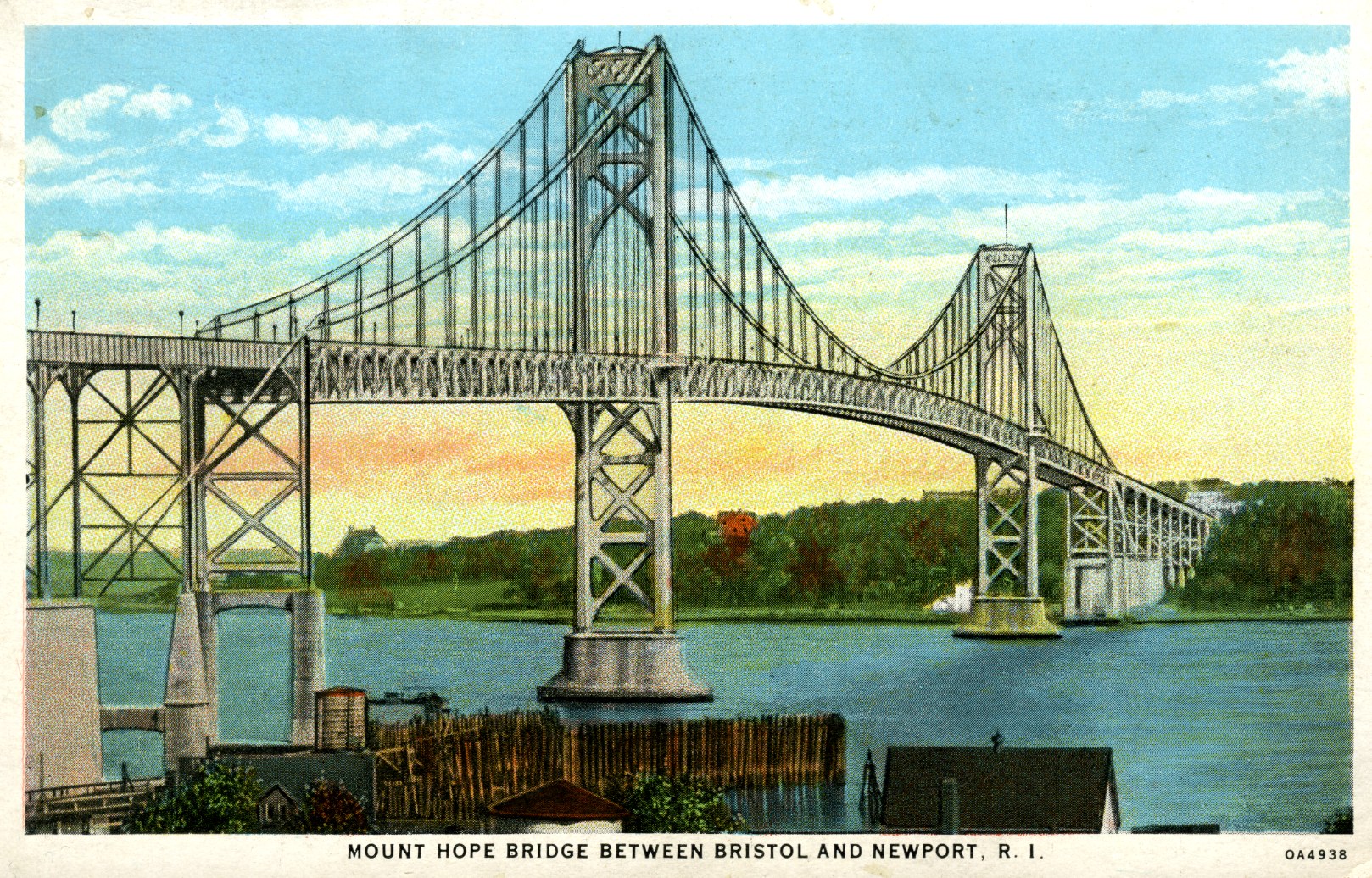
The Mt. Hope Bridge was privately financed and opened in 1929.
As automobiles became more common, the Bristol Ferry became less practical. The state of Rhode Island would not build a bridge, but private investors began construction in 1927. At a cost of 4 million dollars, the 6,130 foot suspension bridge was the longest bridge in New England when it opened on October 24, 1929. Opening parades and celebrations included up to 25,000 cars.
April 16, 2012
portsmouthhistorynotes
Ferries, Portsmouth History, Sakonnet River
Ferries
In colonial times the main roads in Portsmouth led to the ferry landings. What we call East Main Road was known as the Path to Howland’s Ferry. Its location was close to where the remains of Stone Bridge are today. This location is one of the narrowest points on the Sakonnet River between Tiverton and Portsmouth. The ferry may date back to 1640. It was also known as Anthony’s Ferry and Pocasset Ferry. Howland’s Ferry played an important part during the Battle of Rhode Island. American forces used the location to pour onto Aquidneck Island to fight the British who occupied the island. When they were forced to retreat, many of the American forces used that route to make their escape. Howland Ferry was less used once the Bristol Ferry was established.
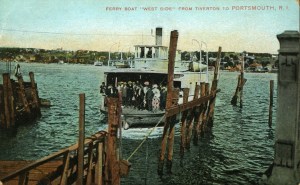
This ferry, the West Side, was used in the Howland Ferry area when the Stone Bridge was not operating. (Image G. Schmidt)
Older Entries
Newer Entries



 portsmouthhistorynotes