Revolutionary Rhode Island Timeline Trifold
November 23, 2025
Portsmouth History Battle of Rhode Island, Revolutionary Rhode Island, Siege of Newport, Timelines Leave a comment
Rhode Island Commanders in the Battle of Rhode Island
November 8, 2025
Portsmouth History Battle of Rhode Island, Christopher Greene, Israel Angell, Nathanael Greene, Samuel Ward, Silas Talbot Leave a comment
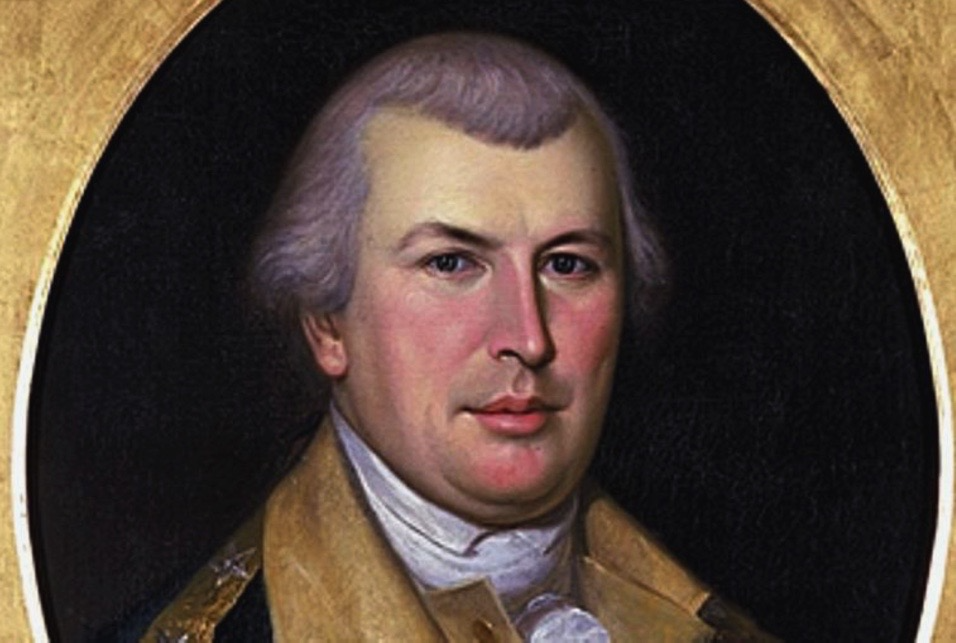
Major General Nathanael Greene: He was born into a Quaker family in the Coventry area of Rhode Island. Greene worked as the resident manager of the Coventry Iron Works, working at the forge making large ship anchors and chains until you enlisted in the army. Although of Quaker background, he was active early in the colonial fight against British revenue policies in the early 1770s. He was self educated and valued books and learning – especially about military topics. He helped establish the Kentish Guards, a state militia unit, but a limp prevented you from joining it. Rhode Island established an army after the April 1775 Battles of Lexington and Concord. Greene was tapped to command it. Later that year he became a general in the new Continental Army. He served under George Washington in the Boston campaign, the New York and New Jersey campaign, and the Philadelphia campaign. He was appointed quartermaster general of the Continental Army in 1778, but reserved the right to command troops in the field. Before the Battle of Rhode Island, he was placed in charge of the right flank of the army. He had the reputation of being one of Washington’s most talented Generals. In 1780 Washington put him in charge of the Army’s Southern Campaign and he fought through the end of the War.
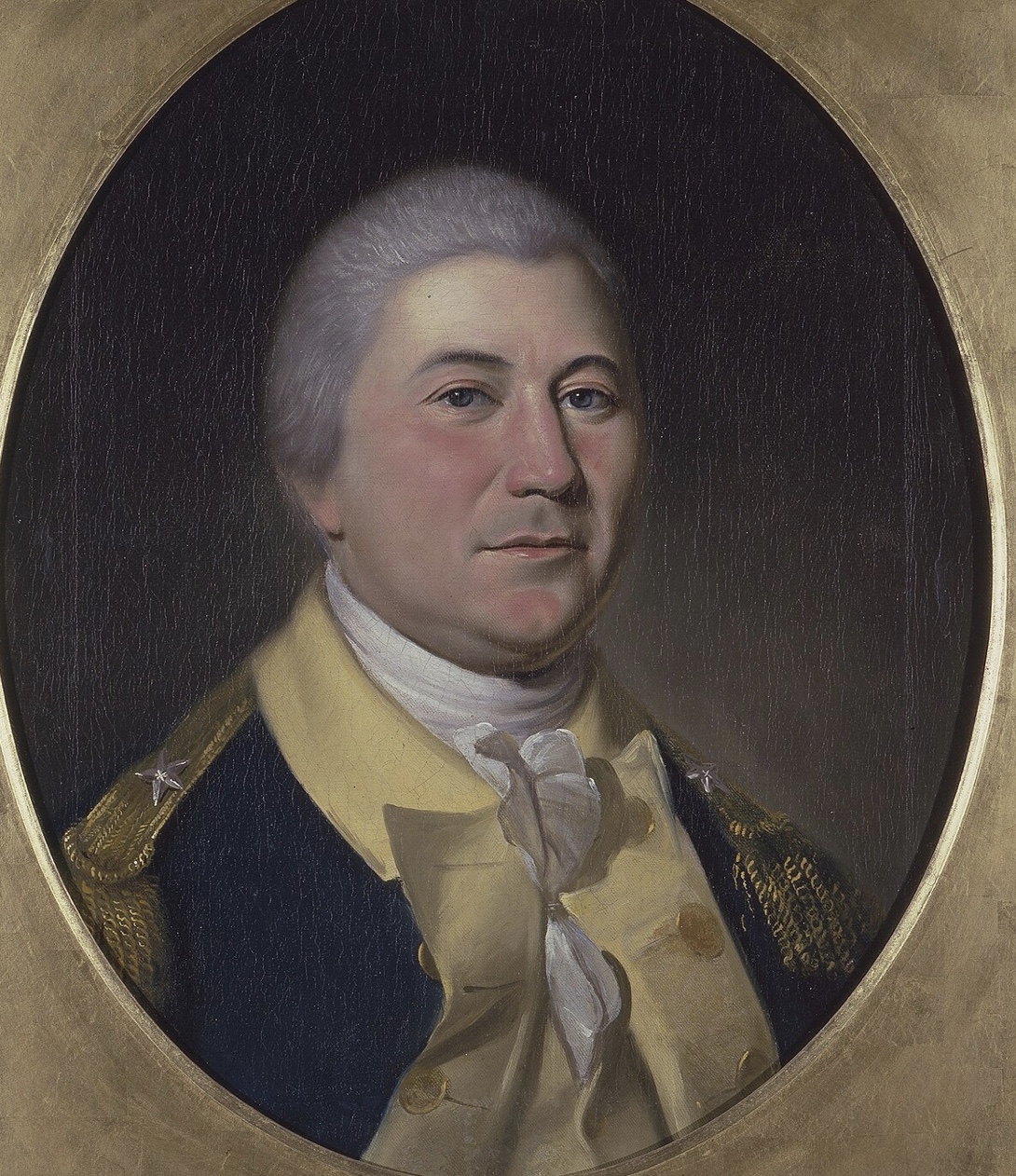
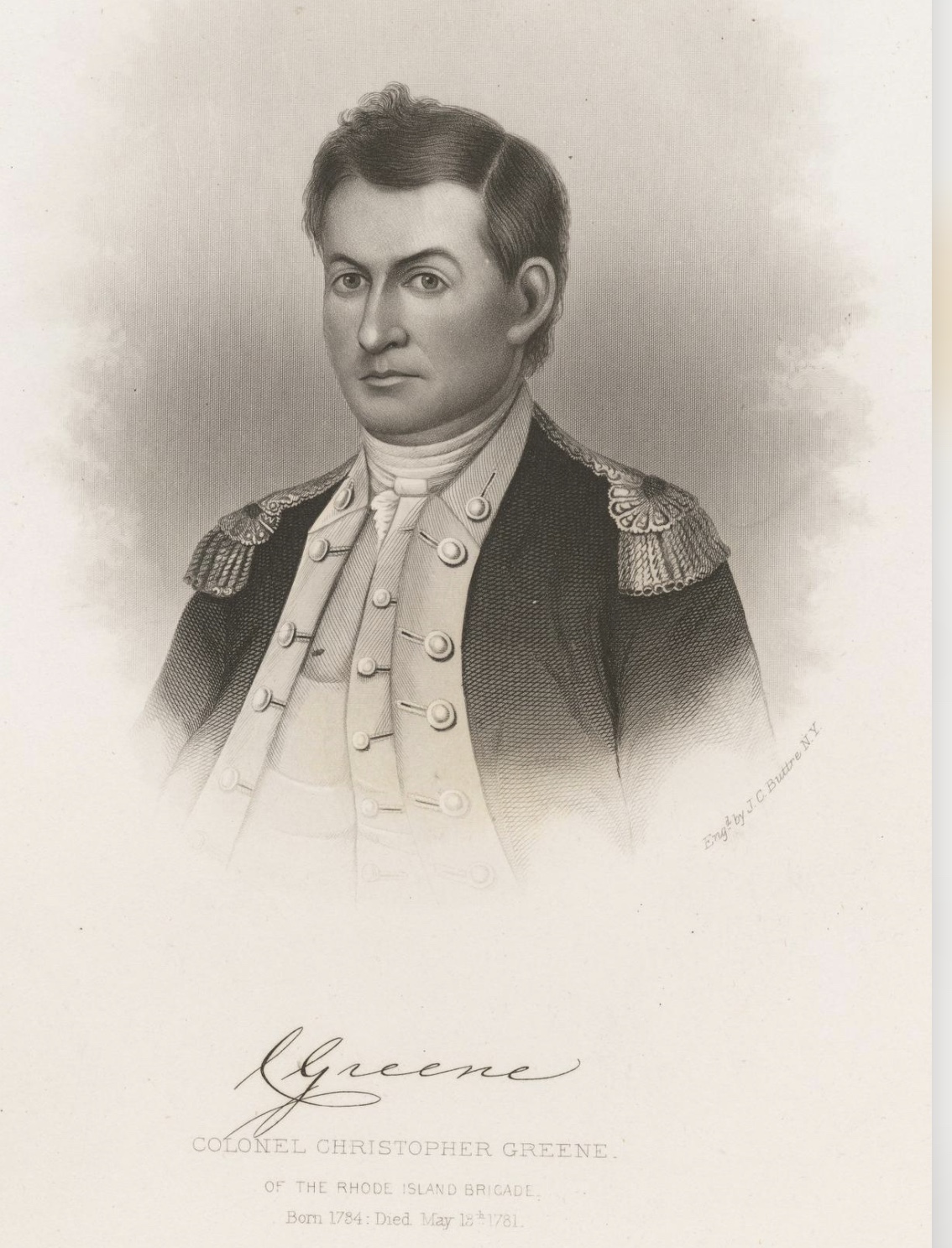


Col. Christopher Greene: He had long Rhode Island roots. He was a descendent of Rhode Island founder Roger Williams. Christopher Greene was a distant cousin of Nathanael Greene. Before the Revolutionary War, Christopher Greene served in the Rhode Island legislature from 1771 to 1772. With Nathanael he helped organize a militia unit, the Kentish Guards. After the Battles of Lexington and Concord he joined the army around Boston. He voluntarily joined Col. Benedict Arnold and was promotion to lieutenant colonel. He was with Arnold at the siege of Quebec and was was captured. He was released in August 1777 and joined the Continental Army for the Philadelphia Campaign. He was given command of the First Rhode Island Regiment. He defended Fort Mercer on the Delaware River. Washington agreed to enlist blacks and indigenous men to fill the ranks of a Rhode Island Regiment. The enlistments granted the soldiers their freedom if they served throughout the war. It benefited their owners with compensation. Christopher Greene was in charge recruiting, training and leading the 1st Rhode Island (the Black) Regiment. Colonel Greene died on May 14, 1781 at the hands of Loyalists by his headquarters on the Croton River in New York.
Col. Israel Angell: Angell came from one of the founding families of Providence. He served throughout the Revolutionary War. He was a major in Hitchcock’s Regiment at the beginning of the war and served with that regiment at the Siege of Boston. As the Continental Army was organized in 1776, Angell was part of the 11th Continental infantry. When Hitchcock was appointed brigade commander, he commanded the regiment. His regiment was re-named the 2nd Rhode Island Regiment on January 1, 1777. He was promoted to lieutenant colonel and shortly after to Colonel. He commanded the regiment following the death of Hitchcock. Angell was an experienced soldier who served at Valley Forge, the Siege of Boston, Brandywine, Red Bank, Monmouth and then the Battle of Rhode Island. At the Battle of Rhode Island he commanded 260 men. American General Nathanael Greene ordered Colonel Israel Angell’s 2nd Rhode Island Regiment to support Ward’s 1st Rhode Island Regiment. They were able to reach the key artillery redoubt before the British forces. He served in New York, but he retired from the army on January 1, 1781, after the two Rhode Island regiments were consolidated into a single regiment known as the Rhode Island Regiment.
Major Silas Talbot: He was born in Dighton, Massachusetts. He trained as a mariner and as a builder and made his home in Providence. In the aftermath of the burning of the Gaspee and the Boston Tea Party, Rhode Island merchants were alarmed. Independent militias were forming and he joined and was commissioned as a Lieutenant. He joined others in his company in learning military skills in a Providence warehouse, but he didn’t have any real military experience. On June 28, 1775 he answered the Rhode Island Assembly’s call to send units to Boston. He marched with his men to join the Second Rhode Island Regiment and by July 1, he was commissioned a captain. Talbot and the other 1200 men in the Rhode Island brigade took part in the Siege of Boston watching over the Red Coats but not in direct battle. His skills as a bricklayer came in handy as they built barracks on Prospect Hill. By April of 1776 the Siege was over and Rhode Islander Esek Hopkins, Commander in Chief of the Continental Navy, needed a crew to sail the ships home to Providence. Washington offered to loan Hopkins men from the Rhode Island Regiment and he switched from soldier to sailor. He was involved in the Rhode Island Campaign. As someone with experience as a mariner and builder, he helped to construct the flatboats that would take American forces to Portsmouth on August 9th of 1778. During the Battle of Rhode Island, Talbot led men in the early skirmishes on West Main Road. Talbot had success fighting on both land and sea. In 1779 he was made a Captain in the American Navy after he captured a British ship.
Major Samuel Ward: Ward was the son of a Rhode Island governor. His military career began when you were commissioned a captain in the Army of Observation in May, 1775, at the age of eighteen. He participated in Benedict Arnold’s attack on Quebec in December, 1775, under Lieutenant-Colonel Christopher Greene. He was taken prisoner by the British and released in August, 1776. He was promoted to the rank of major in the First Rhode Island Infantry and, between 1776 and 1778, served with his regiment at Morristown, New Jersey (1777); Peekskill, New York (1777); Red Bank (Fort Mercer) under Christopher Greene (1777); Valley Forge (1778); and the Battle of Rhode Island (1778). Ward retired from the Continental Army on January 1, 1781, when the 1st and 2nd Rhode Island Regiments were consolidated into the Rhode Island Regiment. Ward was the grandfather of Julia Ward Howe
General James Mitchell Varnum: Varnum was born in Massachusetts but he came to Rhode Island to attend Brown. He married and set up a law practice in East Greenwich, and he independently studied military affairs. In October of 1774 he became a founder and commander of the Kentish Guards a imilitia company in East Greenwich, Rhode Island. With the fighting at Lexington and Concord, Varnum started to march his militia to Boston but they were not needed and headed home. In May 1775 Varnum was commissioned as a Colonel of the 1st Regiment of Rhode Island. By 1776 the regiment was folded into the Continental Army under the command of Brigadier General Nathanael Greene, Varnum’s friend. From Varnum and his Rhode Islander troops took part in participated major engagements including the Battle of Bunker Hill and the Battle of Rhode Island. Varnum and his men were at Valley Forge. Varnum was another proponent of raising a regiment of black and indigenous soldiers. In March 1779, he retired from the Continental forces and accepted a commission as Major General of the Rhode Island militia. Upon returning home to East Greenwich he was elected to the Continental Congress in 1780.
Rhode Island Campaign Timeline
November 7, 2025
Portsmouth History Battle of Rhode Island, Rhode Island Campaign Leave a comment
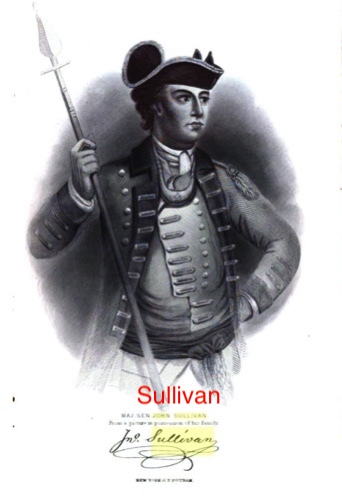
The Occupation of Aquidneck Island dragged on for almost two years when a plan was devised to work with French allies in pushing the British out of the island. On May 4, 1778 Congress ratified a treaty of alliance with France. The Rhode Island Campaign was devised as a wedge action. The Americans, under the leadership of John Sullivan, would cross from Tiverton to Portsmouth and drive south to set up a siege of Newport. Meanwhile the French, led by d’Estaing, would arrive by sea and attack the British from the sea.

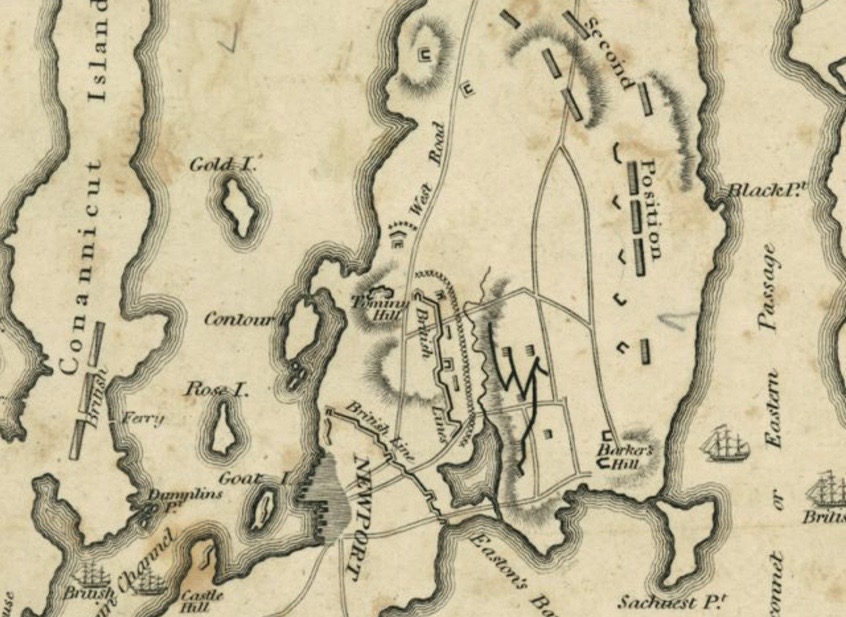
Timeline for the Campaign
July 22, 1778, Washington informs Sullivan that the French fleet is headed to Newport, and he directs Sullivan to increase the size of his militia forces from 5000 to 7500.
July 27, 1778, Washington dispatches two Continental Army divisions under General Nathanael Greene and General Lafayette to Rhode Island.
July 29, 1778, French ships arrive at Narragansett Bay.
August 1, 1778, General Sullivan and Admiral d’Estaing meet, agree on simultaneous attacks on the Island on August 8.
August 6, 1778, Due to late arriving militia, Sullivan informs d’Estaing of postponement of the attack until August 10. A British Fleet under Admiral Sir Richard Howe leaves New York for Newport.
August 7-8, 1778, d’Estaing enters Narragansett Bay, causing British to withdraw from north end of the Island into prepared positions along the Newport-Middletown border.
August 9, 1778, Realizing the British had withdrawn south, Sullivan moves his forces onto the Island.
D’Estaing is alerted to the imminent arrival of Howe’s fleet.
August 10, 1778, French head out to sea. Both French and British fleets maneuver for advantage, but before they can engage, both fleets are scattered and damaged by a hurricane. Both leave for port and repairs.
August 11, 1778, General Sullivan prepares to invest British positions, but the hurricane causes him to delay.
August 15, 1778, Americans open the Siege of Newport.
August 20, 1778, d’Estaing’s battered ships return to Narragansett Bay. D’Estaing informs Sullivan he must immediately leave for Boston for repairs.
August 21, 1778, French fleet sails for Boston.
August 28, 1778, American council of war decides to withdraw Patriot forces from Rhode (Aquidneck) Island
August 29, 1778, Battle of Rhode Island is fought as Americans retreat northward.
August 30-31, 1778, overnight Sullivan’s army withdraws across the Sakonnet Straight to Tiverton with all its equipment.
Revolutionary Places: Stories from Vernon House in Newport – A Spy, A Patriot, A Black Regiment Soldier, and French Heroes
October 31, 2025
Portsmouth History Battle of Rhode Island, Black Regiment, French in Newport, Lafayette, Revolutionary War Leave a comment
The Spy: Metcalf Bowler
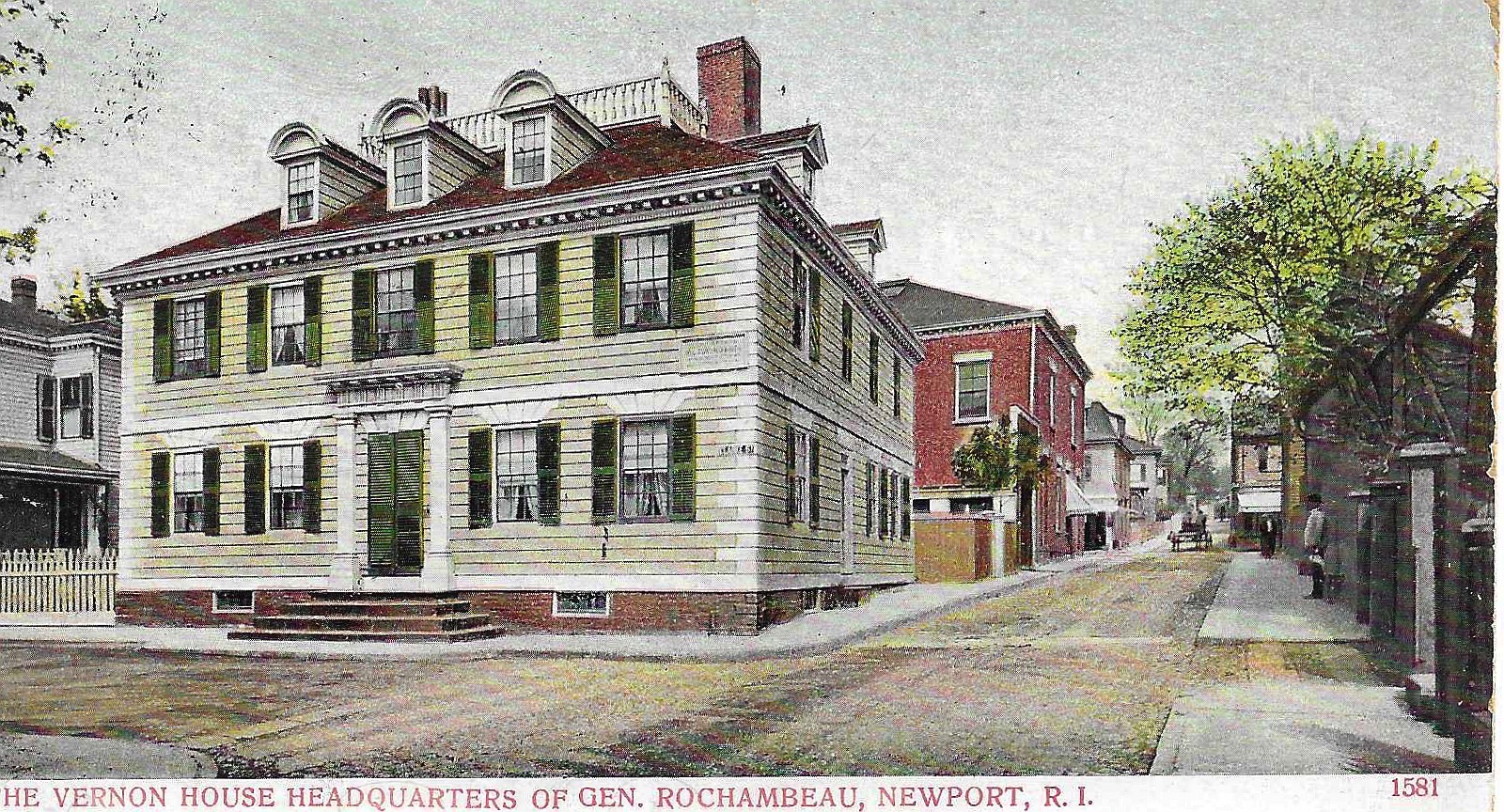
The Vernon House at 46 Clarke Street in Newport has special significance in the history of the Revolution in Rhode Island. It has connections to a British spy, an American war heroes and the French in Newport. It has a history dating from 1744, but the first owner with Revolutionary connections was Metcalf Bowler who bought the property from his father in 1759. Bowler was a noted merchant and judge, but we know now that he was also a British spy. He was concerned about his country estate in Portsmouth and hoped to salvage it from British destruction by providing information to British General Gates. In 1774 he sold the house on Clarke Street to William Vernon, a merchant and slave trader. Unfortunately for Bowler, his work as a spy did not protect his Portsmouth farm.
The Patriot: William Vernon
William Vernon and his brother Samuel were early supporters of the revolution, so when the British came to Newport, William fled Newport for Rehoboth, Massachusetts. Vernon moved to Boston and In 1777 Vernon was appointed by the Continental Congress as president of the Naval Board – a role resembling Secretary of the Navy. He was responsible for building and outfitting ships for the Continental Navy. He supported the Navy cause with his own money.
The Black Soldier: Cato Vernon
Cato Vernon was probably one of the two Black males aged under sixteen listed in the 1774 census as part of William Vernon’s household in Newport. By December of 1776 the British were in Newport and William Vernon had fled. In late 1776, Cato was working in East Greenwich as an apprentice to a ship carpenter.
On March 11, 1778, Cato enlisted in the First Rhode Island Regiment of Continentals (the famous “Black Regiment”). Cato may have enlisted without permission from William Vernon who was in Boston, but by law William was entitled to Cato’s value. Enlisting in the regiment for the duration of the war had the promise of securing freedom. The Black Regiment played a key role in the American retreat during the Battle of Rhode Island on August 29, 1778. The Regiment held back three charges of British allied Hessian troops and that was one factor enabling the Americans to get away to fight another day. Cato and the Black Regiment served all the way to the surrender at Yorktown.
Life was not easy for Cato after the war. In August 1793, Cato Vernon was in a Newport jail because he could not pay his debts. He wrote a letter from jail to William Vernon and there is a record of William Vernon paying that debt so Cato would be free.
The French in Newport
On July 11, 1780, the French Fleet arrived in Newport. The Comte de Rochambeau The commander in-chief of the French forces, used the house as his quarters and the headquarters of the French forces. Records show that on March 6, 1781 General George Washington slept at the Vernon House. On July 25, 1780. Lafayette remained in Newport with Rochambeau at Vernon House until July 31, 1780.
Resources:
Newport Restorations website on the Vernon House: https://www.newportrestoration.org/programs-initiatives/telling-stories-dispersed-monument/vernon-house/
Walking Butts Hill
October 24, 2025
Portsmouth History Battle of Rhode Island, Butt Hill Fort, French in Newport, Lafayette, Portsmouth History Leave a comment
If you haven’t been to Butts Hill lately, this is an excellent time to go. This week we hosted 46 AP History students from Portsmouth High Schools on a tour of Battle of Rhode Island skirmish sites. We ended with a walking tour of the fort.
We hope to have better signage up in the coming year and full self-tour with QR codes. Meanwhile we have some resources to help explain what you see walking through the fort.
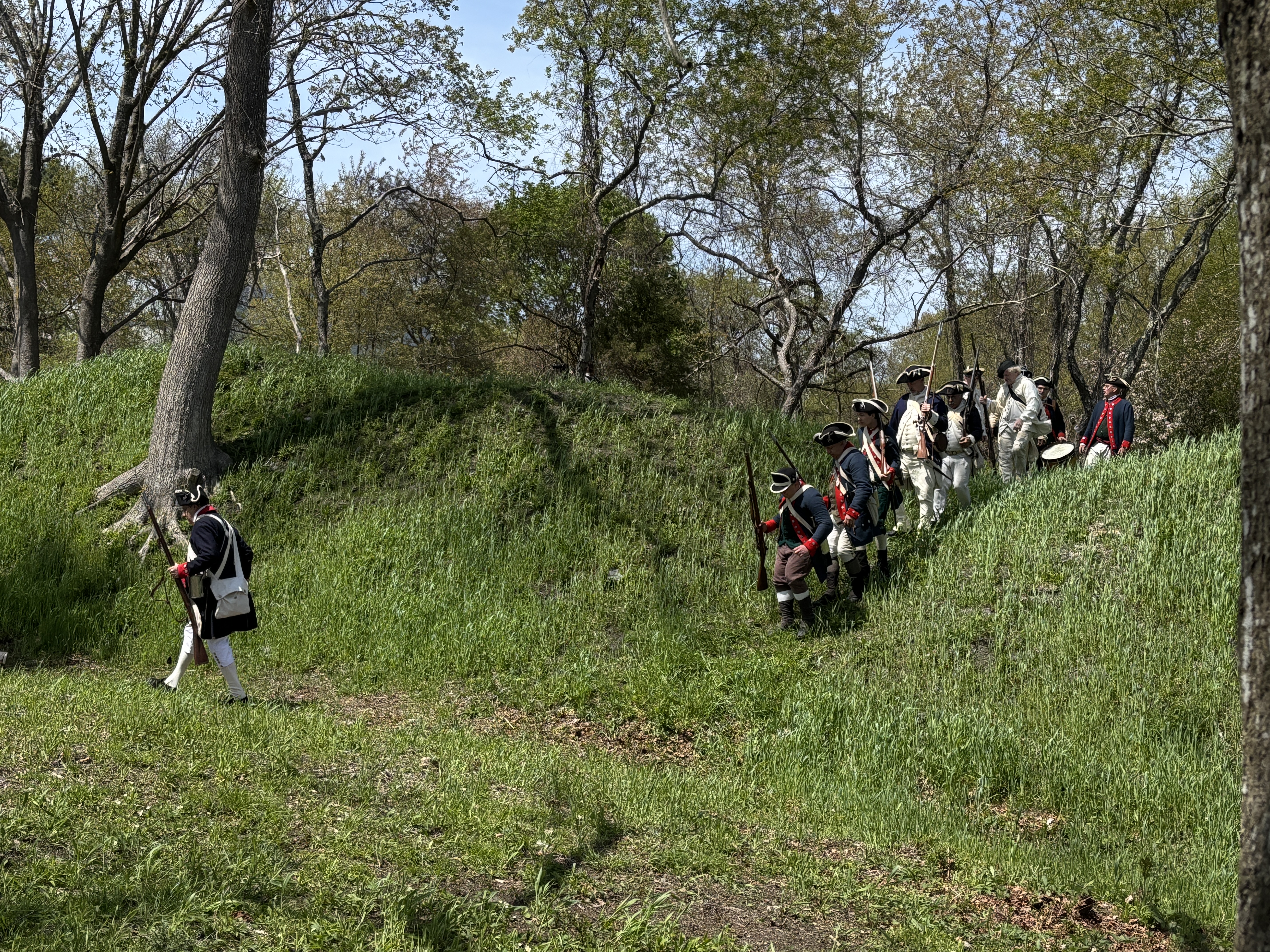
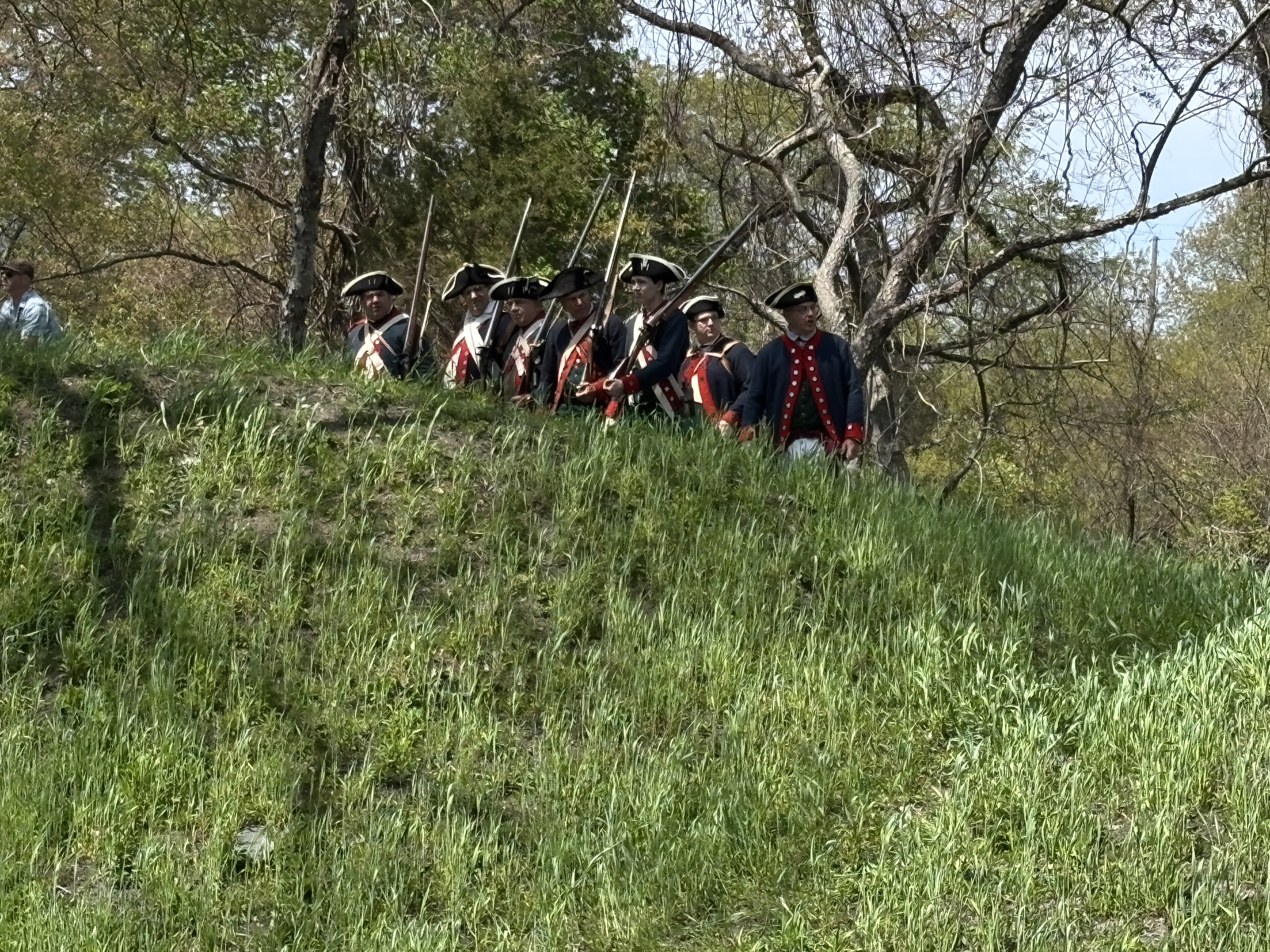
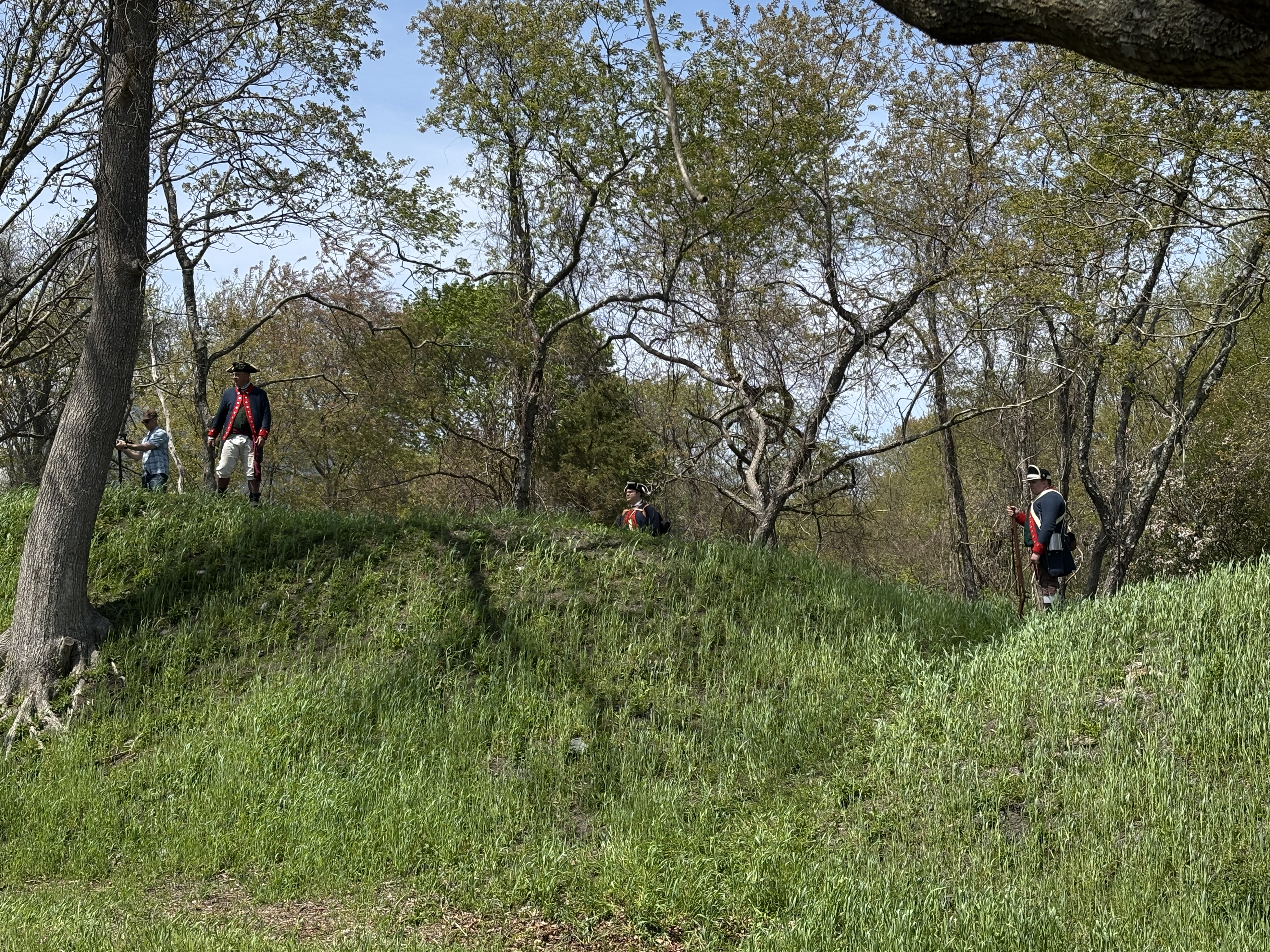
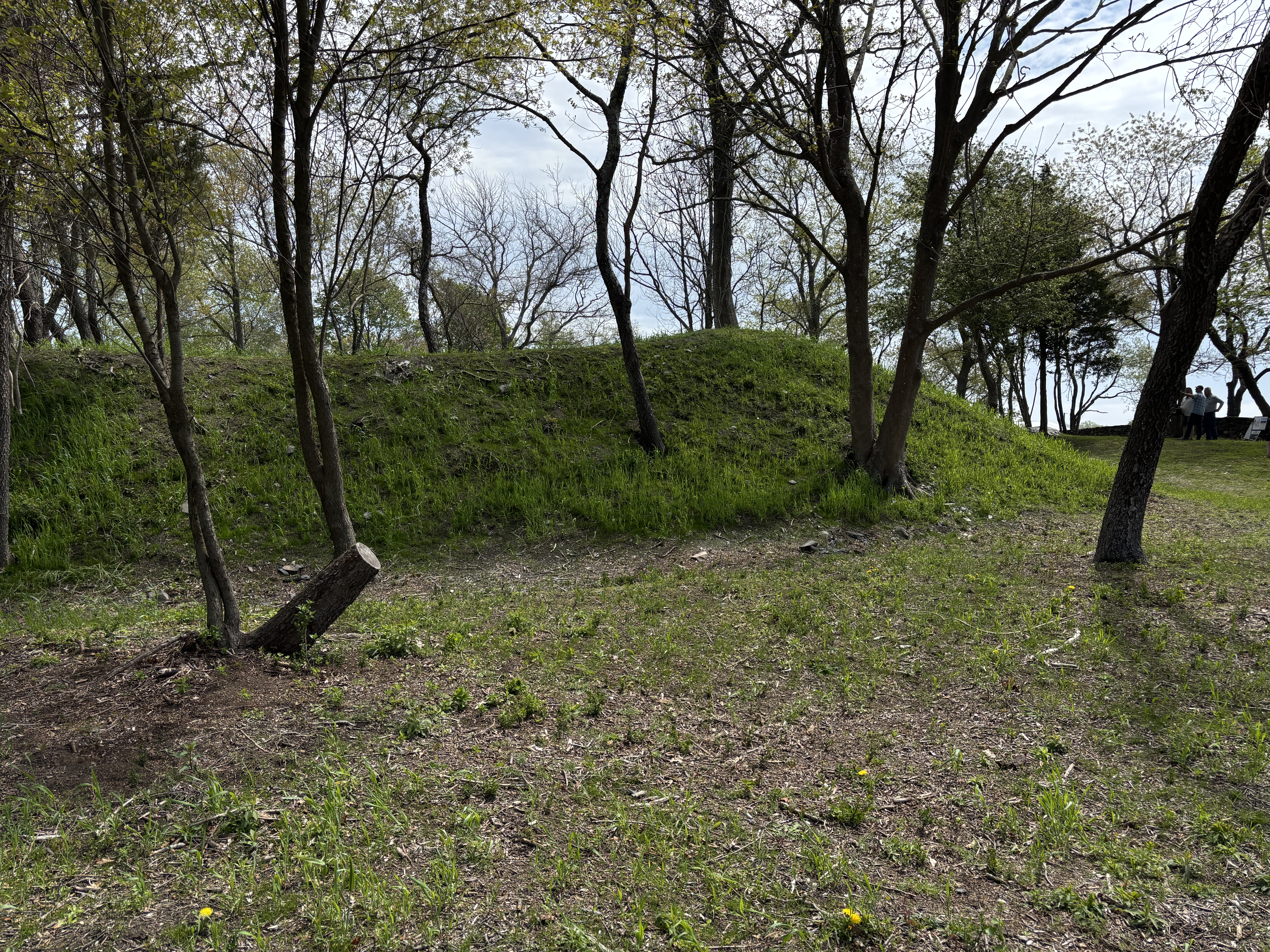
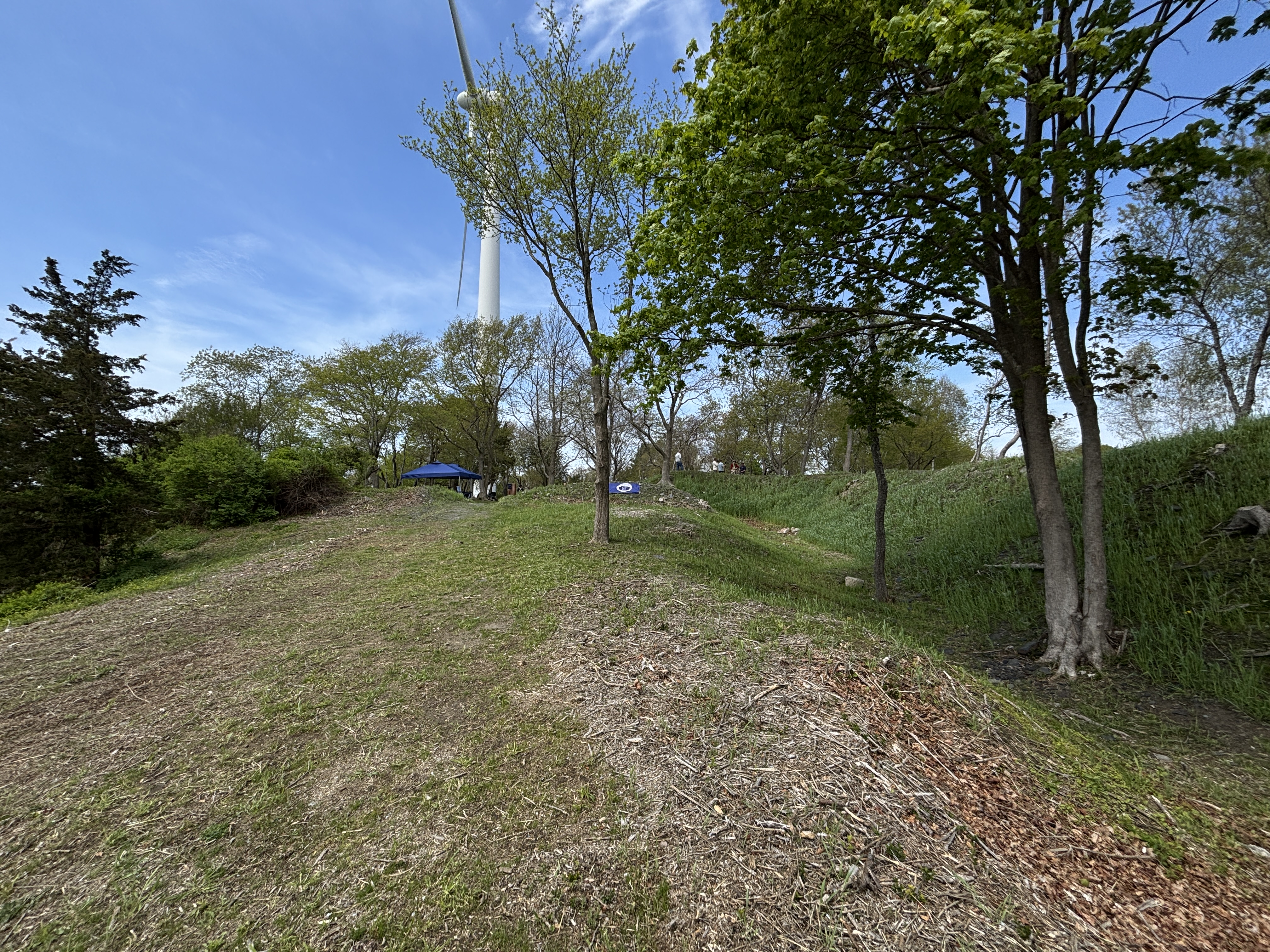
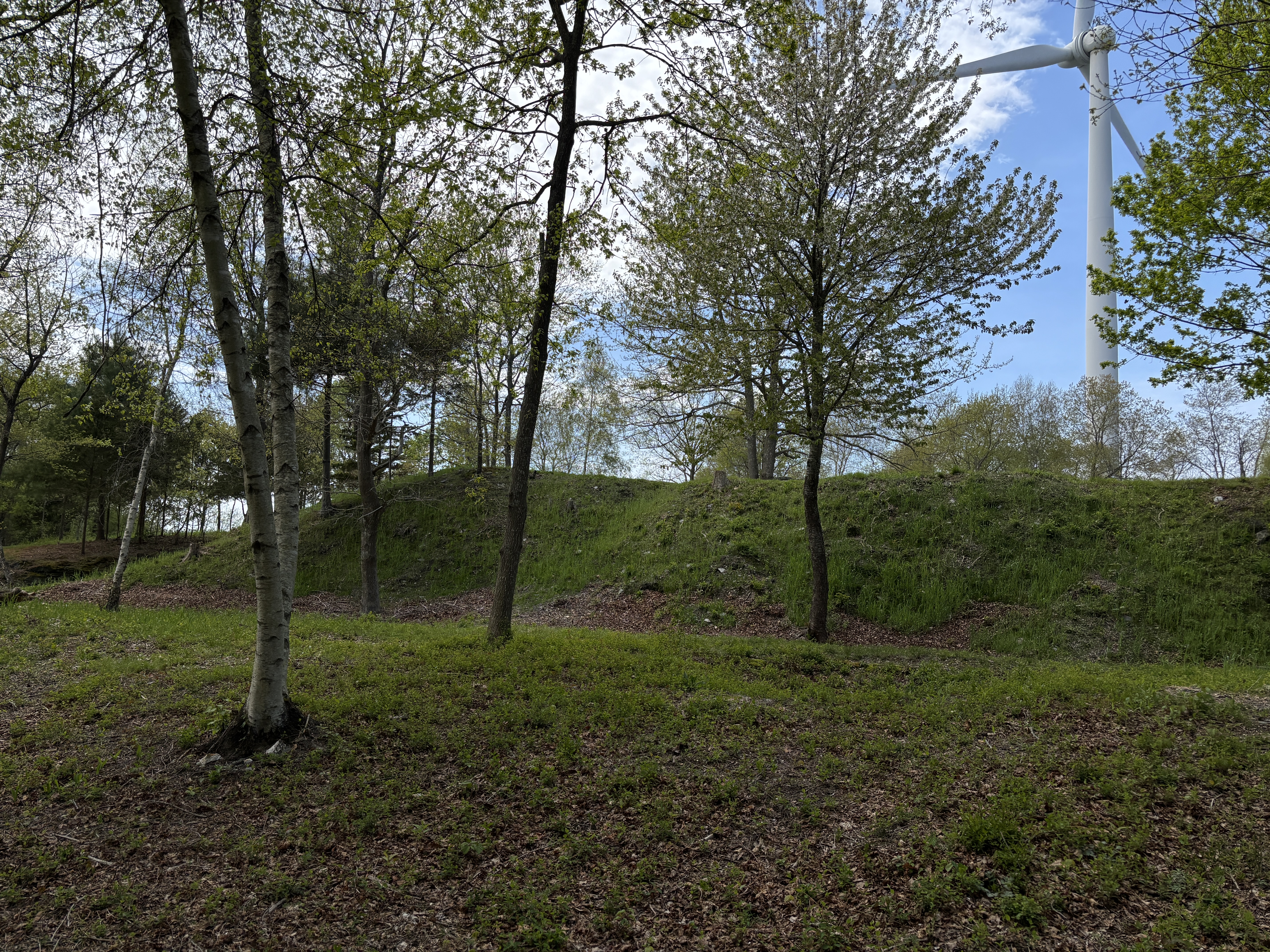
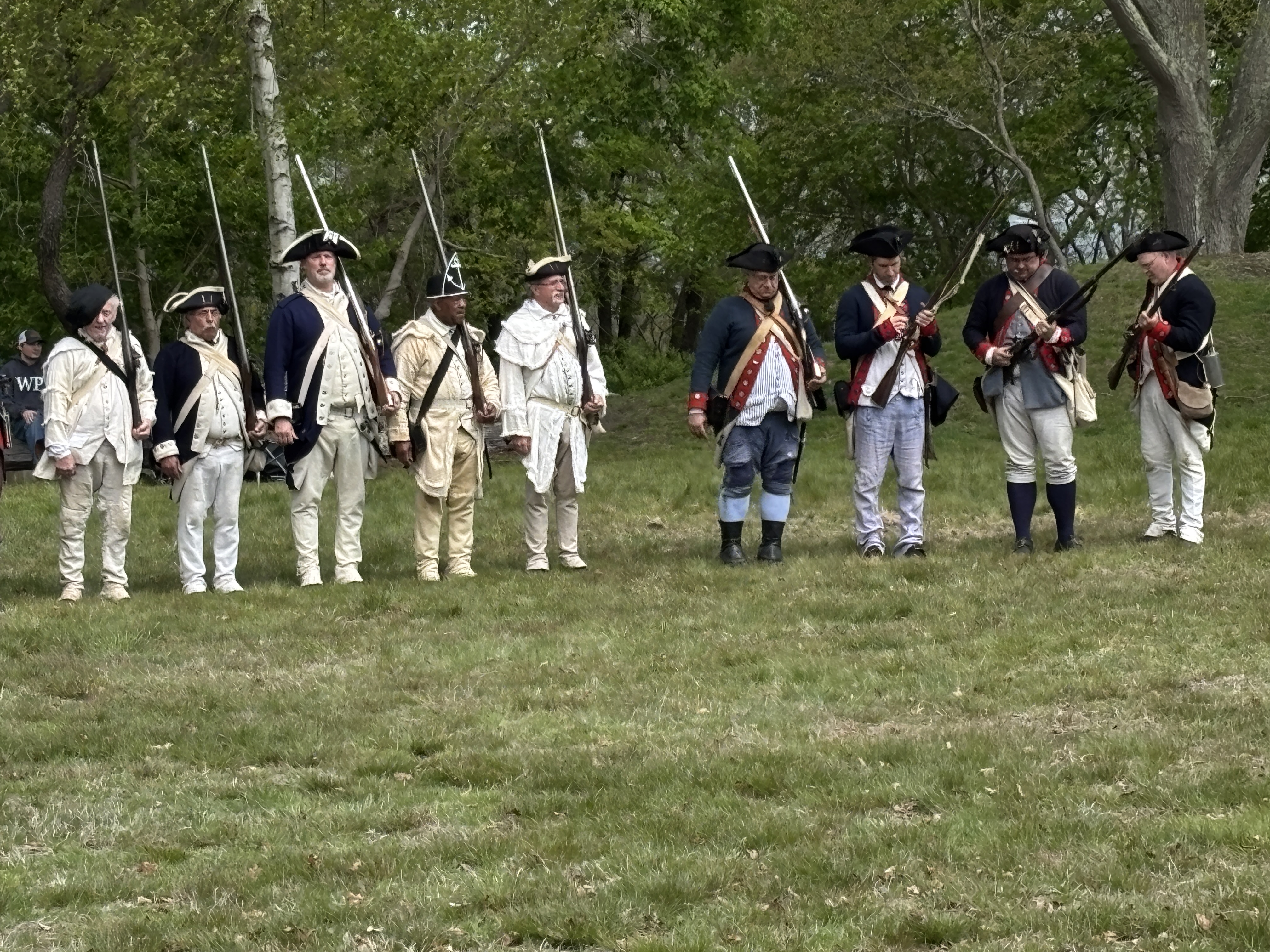
Photos from Brigade of the American Revolution event in May 2025
Commanders in the Battle: Wade and Jackson
September 18, 2025
Portsmouth History Battle of Rhode Island, Henry Jackson, Nathaniel Wade Leave a comment
Note: These short military histories of men who commanded at the Battle of Rhode Island are focused on their experience up to the Battle of Rhode Island. I am researching for a role playing activity about the decisions made at the Battle of Rhode Island.
Col. Nathaniel Wade 1750 – 1826
During the Rhode Island Campaign he commanded 385 members of the Massachusetts Militia.
Wade was born in Ipswich, Massachusetts and drilled with the Ipswich Minute Men. On December 24, 1774, his company signed on as “Minute Men, to be ready for military operation, upon the shortest notice.” At the beginning of hostilities, his unit pursued British soldiers retreating from the battles of Concord and Lexington and fought in the Battle of Bunker Hill. In May of 1777 he was promoted to Lieutenant Colonel. As a member of Col. Keye’s Regiment, he went to Rhode Island as part of the secret expedition of General Spencer. The planned invasion of Aquidneck Island never took place, but he stayed in Rhode Island for a time and headed up his own regiment. When orders were given on July 31st, he headed from East Greenwich to Tiverton. As Captain and later Colonel, he commanded troops throughout the campaign in Rhode Island.
Col. Henry Jackson – 1747-1809
Jackson started his military career as an officer of the First Corps of Cadets in Boston. During British occupation, it was disbanded. After the British left Boston, the cadets organized a company with 87 officers and men called the Boston Independent Company in 1776. Jackson was their commander. The unit was made part of Continental service as Jackson’s Additional Continental Regiment. Jackson led this regiment in the Philadelphia campaign of 1777. Jackson was a lifelong friend of Henry Knox who became Secretary of War. Jackson faced criticism for retreating without orders during the Battle of Monmouth. He commanded about 200 Massachusetts Continentals at the battle.
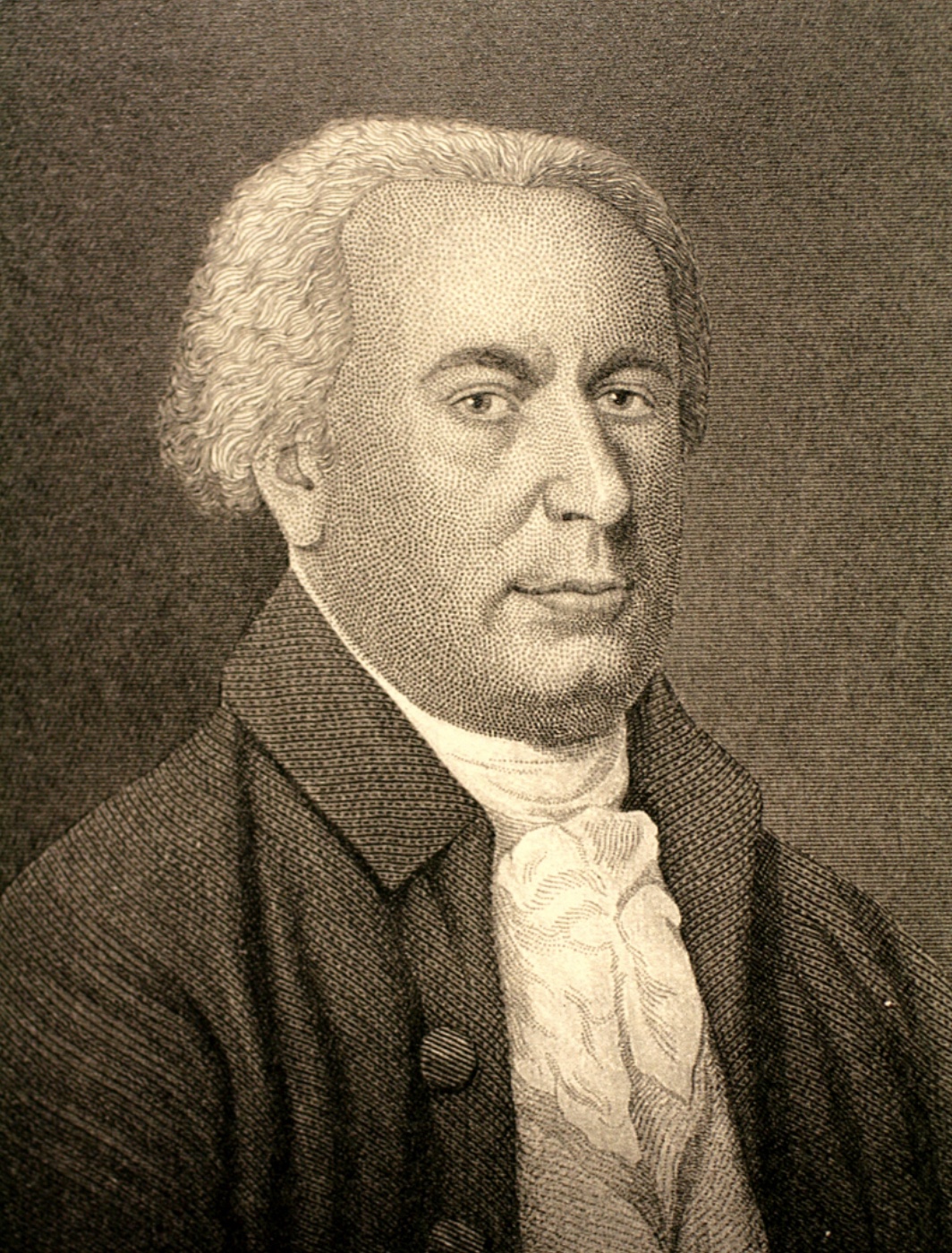
See Christian McBurney’s article for more information on Jackson and the accusations of retreating without orders. https://allthingsliberty.com/2020/10/colonel-henry-jackson-accused-by-his-junior-officers-of-misconduct-at-the-battle-of-monmouth-court-house/
Commanders of the Battle: Laurens and Talbot
September 16, 2025
Portsmouth History Battle of Rhode Island, JOHN LAURENS, Silas Talbot Leave a comment
Lt. Colonel John Laurens – 1754-1782
John Laurens was from a wealthy South Carolina family. He was educated in England and arrived in Charleston in 1777. He wanted to join the Continental Army, and his father Henry secured a position for his 23 year old son. His father would serve in the Continental Congress. George Washington invited him to join his stall in August of 1777 as a volunteer aide-de-camp. Laurens became close friends with two other aides – Lafayette and Alexander Hamilton. On September 11, 1777 he served at the Battle of Brandywine and later the Battle of Germantown in which he was wounded. He was known for his recklessness, but he was given his official position of aides-de-camp to Washington and commissioned a lieutenant colonel. He served at the Battle of Monmouth in June of 1778.

Major Silas Talbot – 1751 – 1813
Talbot was born in Dighton, Massachusetts. He was trained as a mariner and as a builder and made his home in Providence. In the aftermath of the burning of the Gaspee and the Boston Tea Party, Rhode Island merchants were alarmed. Independent militias were forming and Talbot joined and was commissioned as a Lieutenant. He joined others of his company in learning military skills in a Providence warehouse, but he didn’t have any real military experience. On June 28, 1775 Talbot answered the Rhode Island Assembly’s call to send units to Boston. He marched with his men to join the Second Rhode Island Regiment and by July 1, he was commissioned a captain. Talbot and the other 1200 men in the Rhode Island brigade took part in the Siege of Boston watching over the Red Coats but not in direct battle. Talbot’s skills as a bricklayer came in handy as they built barracks on Prospect Hill. By April of 1776 the Siege was over and Rhode Islander Esek Hopkins, Commander in Chief of the Continental Navy needed a crew to sail the ships home to Providence. Washington offered to loan Hopkins men from the Rhode Island Regiment and Talbot switched from soldier to sailor. Silas Talbot was intimately involved in the Rhode Island Campaign. As someone with experience as a mariner and builder, Talbot helped to construct the flatboats that would take American forces to Portsmouth on August 9th of 1778.
Commanders of the Battle: Israel Angell And Samuel Ward
September 15, 2025
Portsmouth History 1st Rhode Island Regiment, Battle of Rhode Island, Samuel Ward Jr. Leave a comment
Colonel Israel Angell – 1740- 1832
At the Battle of Rhode Island he commanded 260 men.
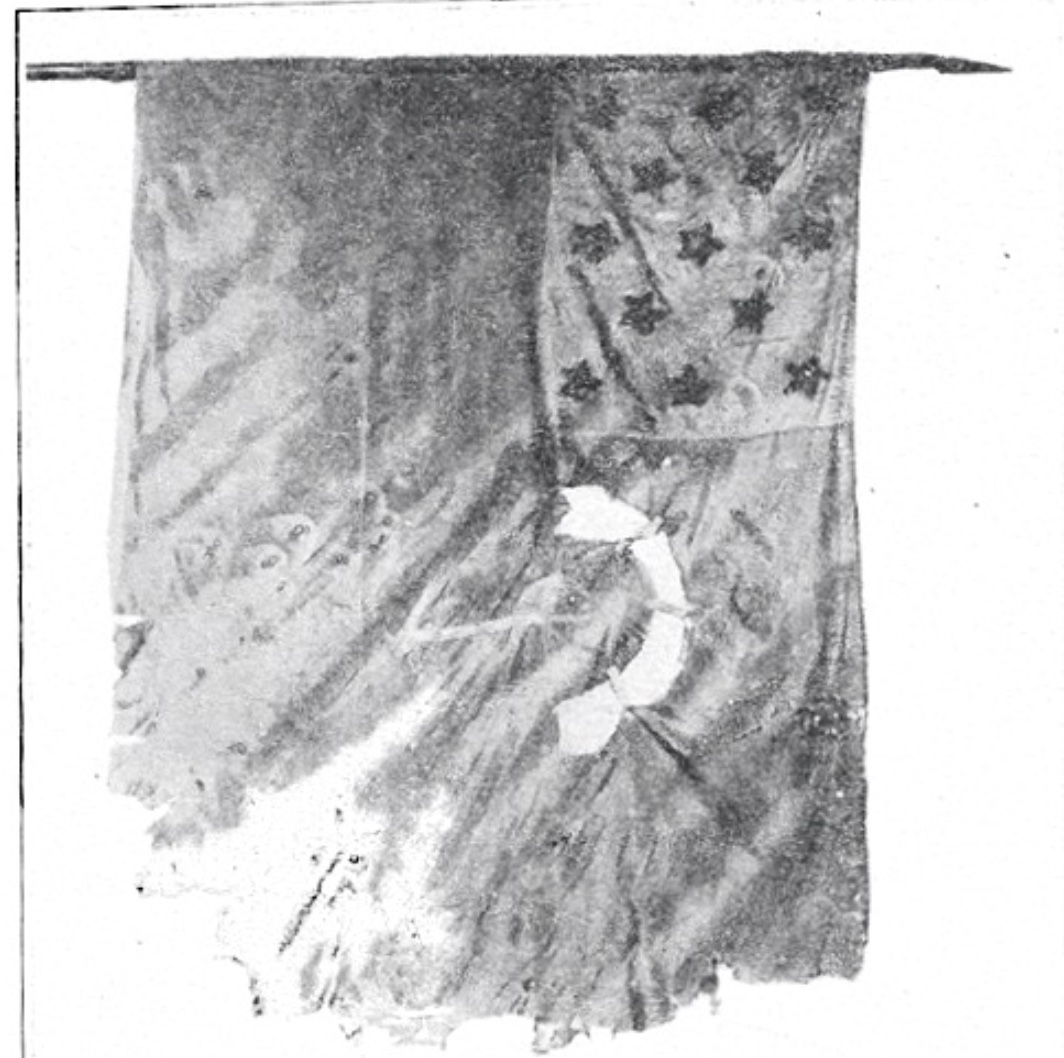
Israel Angell came from one of the founding families of Providence. He served throughout the Revolutionary War. Was was a major in Hitchcock’s Regiment at the beginning of the war. He served with that regiment at the Siege of Boston. As the Continental Army was organized in 1776, Angell was part of the 11th Continental infantry. When Hitchcock was appointed brigade commander, Angell commanded the regiment. His regiment was re-named the 2nd Rhode Island Regiment on January 1, 1777. Angell was promoted to lieutenant colonel and shortly after was promoted to Colonel. He commanded the regiment following the death of Hitchcock. He was an experienced soldier serving at Valley Forge, the Siege of Boston, Brandywine, Red Bank, Monmouth and then the Battle of Rhode Island.
Samuel Ward Jr. – 1756 – 1832
At the Battle of Rhode Island he commanded 140 men.
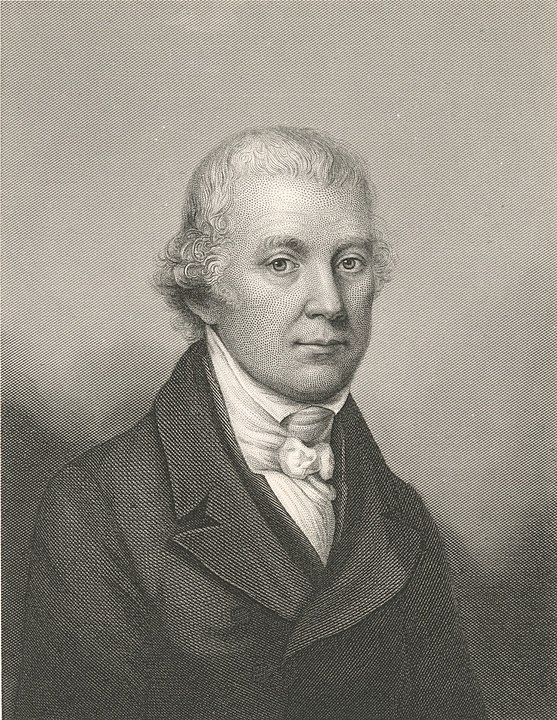
Ward was from Westerly and was the son of a Governor of Rhode Island. He was captain of the Kings and Kent County Militia in 1775. When the regiment was mobilized under Col. Varnum, he served as captain. Varnum’s Regiment became part of the Army of Observation during the Siege of Boston. He served as a volunteer under Christopher Greene to support Benedict Arnold’s expedition to Quebec. He was captured on New Year’s Eve, 1775 and was later exchanged for other prisoners. Ward was promoted to a major of the 1st Rhode Island Regiment on January 12, 1777, and was promoted to lieutenant colonel on 5 May 1779 (with date of rank retroactive to May 26, 1778). With the 1st Rhode Island Regiment he fought at the Battle of Red Bank (October 1777) and the Battle of Rhode Island (August 1778). He is an ancestor of Julia Ward Howe.
Commanders of the Battle: Greene And Glover
September 14, 2025
Portsmouth History Battle of Rhode Island, John Glover, Nathanael Greene Leave a comment
Major General Nathanael Greene – 1742-1786
Greene was born into a Quaker family in the Coventry area of Rhode Island. He worked as the resident manager of the Coventry Iron Works, working at the forge making large ship anchors and chains until he enlisted in the army. Although of Quaker background, Greene was active early in the colonial fight against British revenue policies in the early 1770s. He was self educated and valued books and learning – especially about military topics. He helped establish the Kentish Guards, a state militia unit, but a limp prevented him from joining it. Rhode Island established an army after the April 1775 Battles of Lexington and Concord. Greene was tapped to command it. Later that year Greene became a general in the new Continental Army. Greene served under George Washington in the Boston campaign, the New York and New Jersey campaign, and the Philadelphia campaign. He was appointed quartermaster general of the Continental Army in 1778, but he reserved the right to command troops in the field. Before the Battle of Rhode Island, Greene was placed in charge of the right flank of the army. He had the reputation of being one of Washington’s most talented Generals.
Brigadier General John Glover 1732-1797
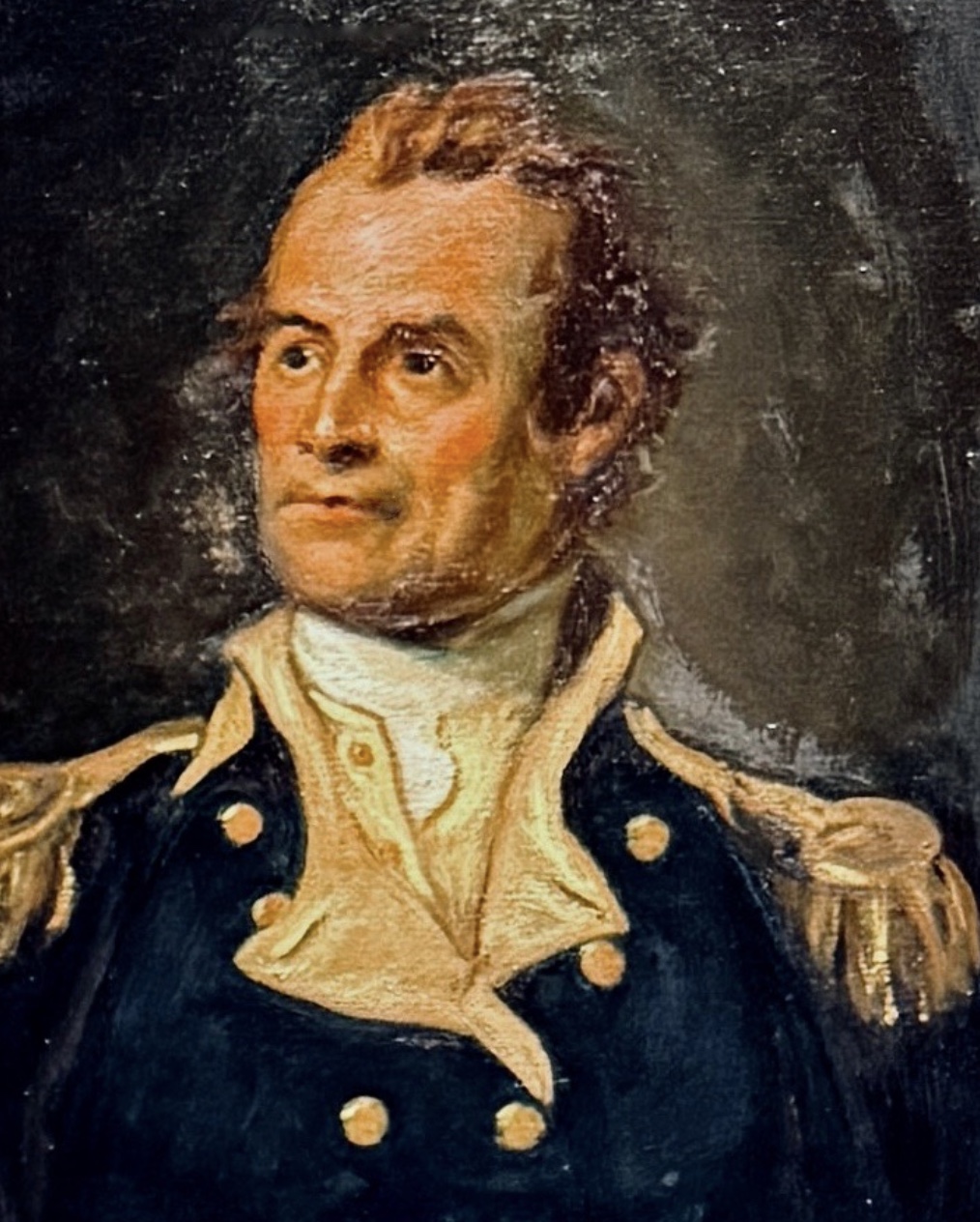
John Glover was born in Salem, Massachusetts, but he grew up in Marblehead. He began as a fisherman and merchant and ultimately owned his own ship. As tensions increased between the colonists and British Crown, Glover became active in the rebel cause. He joined the local militia and became commander in 1775. He participated in the siege of Boston. General Washington hired Glover’s ship to raid British shipping and it (the Hannah) became one of the first ships of the Continental Navy. The Marblehead militia became a Continental Regiment known as “the amphibious regiment.” Glover’s Regiment (the 14th Regiment) would have nearly 500 men – seamen, mariners and fishermen who had nautical skills. The 14th regiment was also integrated unit, with Native American, African American, Spanish, and Jewish volunteers all working together.
A British Account of the Battle of Rhode Island : From the diary of 17 year old Peter Reina
September 5, 2025
Portsmouth History Battle of Rhode Island, Quaker Hill Leave a comment
I collect eyewitness accounts of the Battle of Rhode Island. As I searched through my own local history collection, I came across an account I don’t remember reading. It is a transcription by John Millar of the diary of a Peter Reina, a young British soldier in the Battle of Rhode Island. Millar transcribed the diary from photocopies sent to him by an English descendent of Peter and the transcription appeared in the August, 1979 edition of the Rhode Island History Magazine.

Although the transcription begins with the arrival of the French fleet, I am going to share just the portion on the Battle of Rhode Island. It is interesting to have another British view to contrast the American diaries, Order Books and letters we have for research.
“Reports arriving by deserters: the enemy were retreating to the north end of the Island. The Commander in Chief, Sir Robert Pigot, on the morning of the 29th ordered the Light Infantry and Grenadiers with Brown’s and Fanning’s Corps to march out of their lines and attack them, as were the 22nd, 43rd with the Hessian and Anspach Corps from Easton’s Beach.
They marched without opposition for some miles till meeting with a considerable body of the enemy on Quaker Hill. A severe fire took place; the van of our small army, for some time being not supported by the rear, suffered considerably, but the foreign troops advancing to support of the 22nd and 43rd, the Rebels were repulsed and drove from their works with considerable slaughter on their part. They then took post on Windmill Hill, an eminence commanding every other and very strongly defended.
Our troops took post on Quaker’s Hill. Great numbers of wounded coming into the Town gave the Rebels there no small satisfaction; their countenances shew’d it while they at the same time seek’d to administer relief.
The Sphynx 20 gun ship and Vigilante galley which arrived on the 27th, were sent up the River to cut off the retreat of the Rebels, but they could not effect it, not getting past the batteries at Bristol Ferry.
However, the Rebels being quite dispirited by the loss of their Allies, they could not remain longer, and on the night of Sunday 30th totally evacuated the Island to our great satisfaction and ease.
Thus ended Mr. Sullivan’s third expedition on Rhode island, much to his dishonor and disgrace to his magnanimous allies, who with 25,000 men and a fleet of 12 ships of the line made a shameful retreat from before a small army not exceeding 6000 troops, and those but ill provided with artillery.”
Note: John FItzhugh Millar was very active in researching Rhode Island Revolutionary history in the timeframe of the bi-centennial.
 portsmouthhistorynotes