Travelers
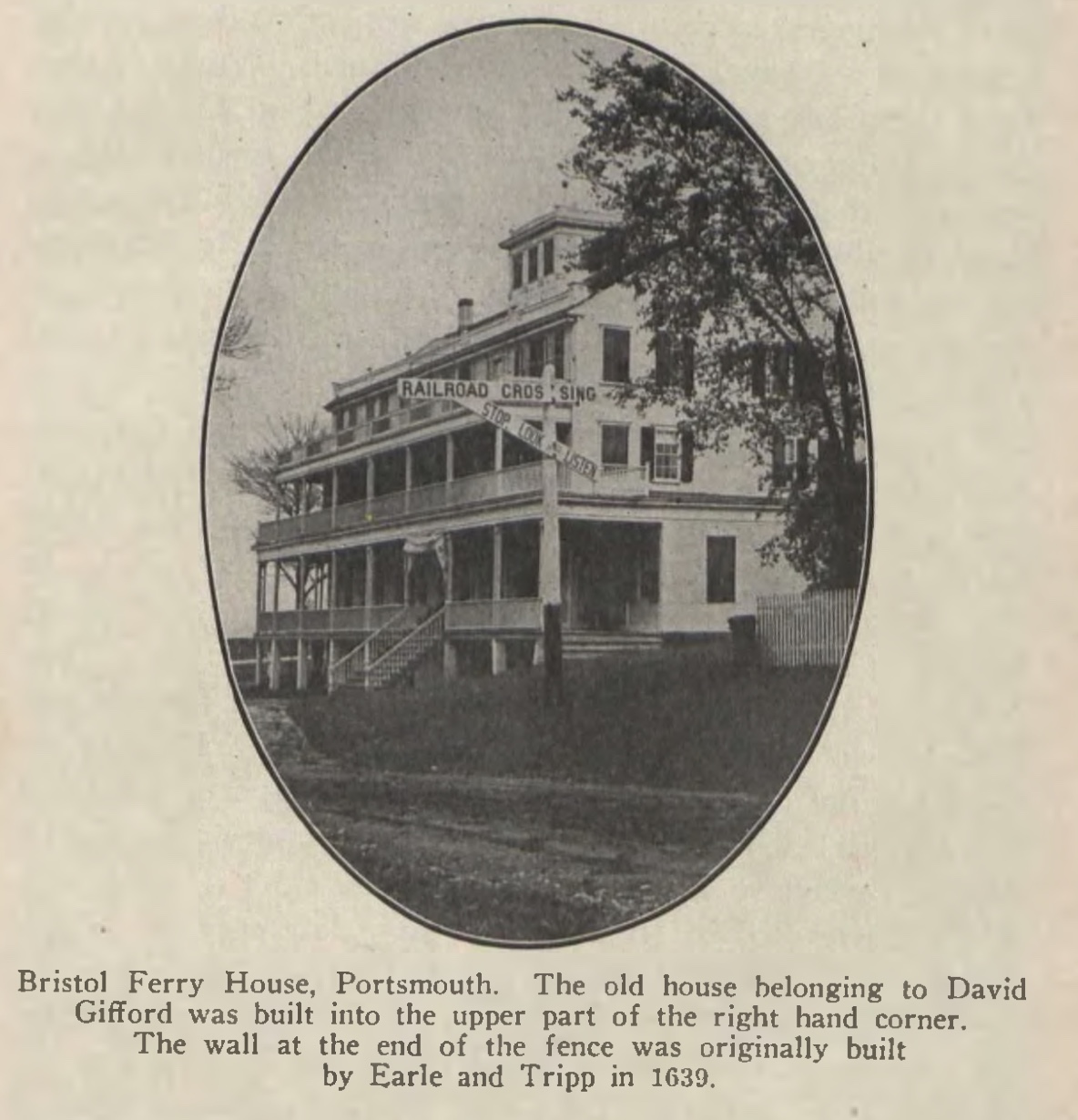
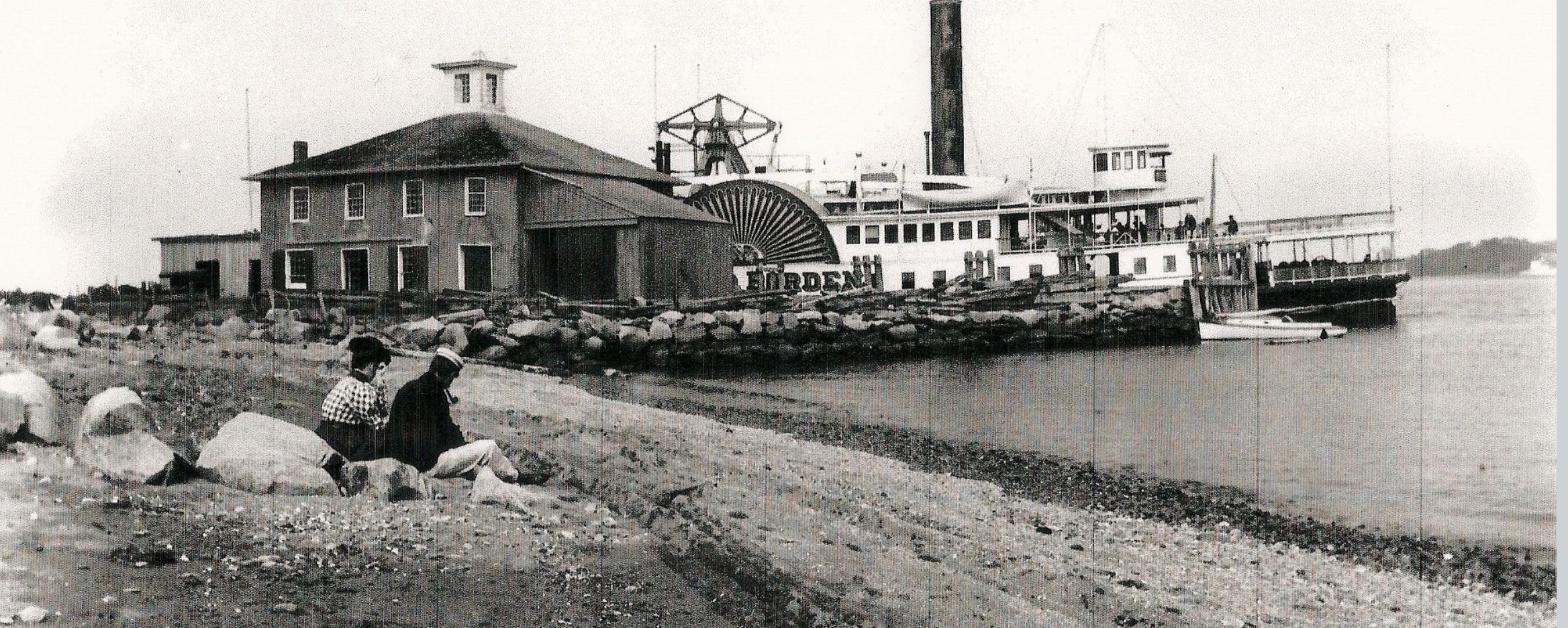
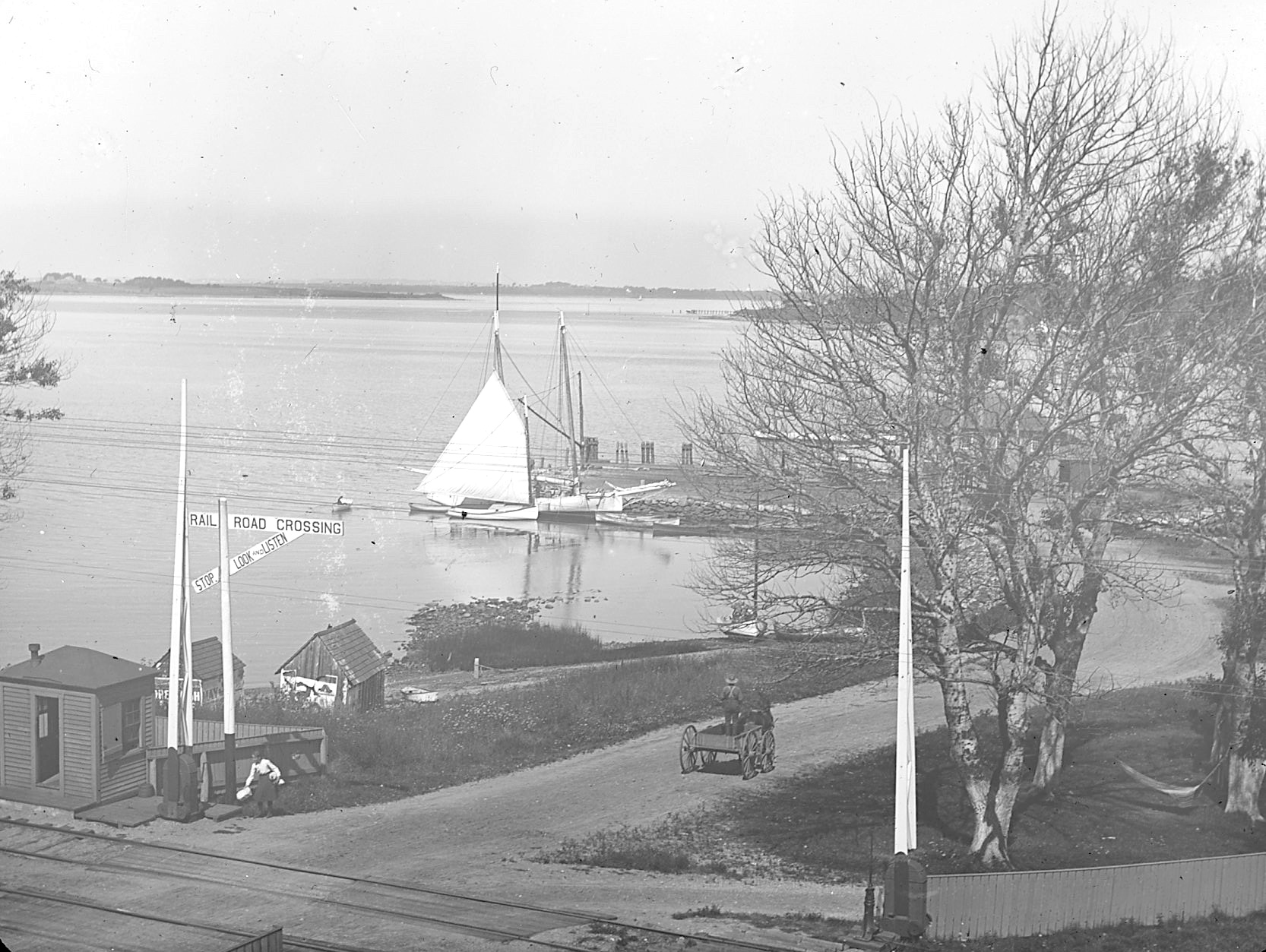
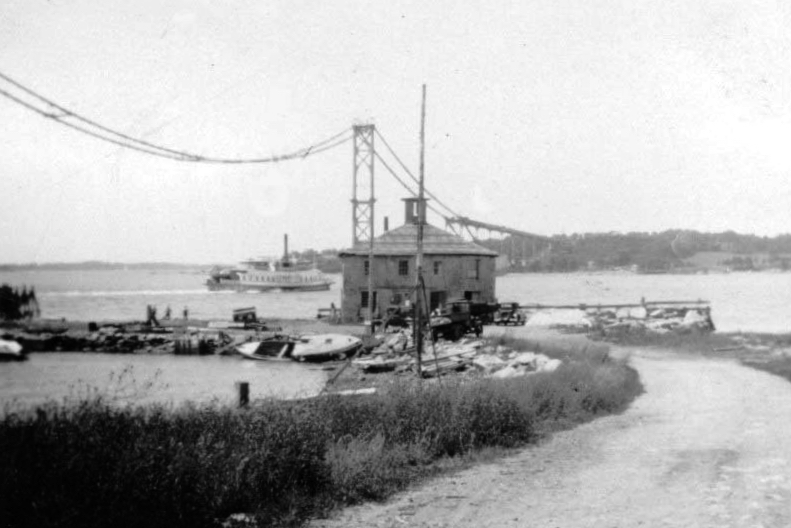
The Bristol Ferry grew in importance after the Revolutionary War and a whole transportation network developed around it. Railroad service, steamers (even the famous Fall River line in the 1860s), and trolleys had stops at this hub. A summer colony grew up around the ferry landing and that drew wealthy people from Providence. Around 1850 a large hotel that could accommodate 50 guests was in service and continued for the next 75 years. Bristol Ferry Landing became a thriving center with the hotel, a wharf, stores, a railroad station, post office, telegraph office and summer cottages.
Artists
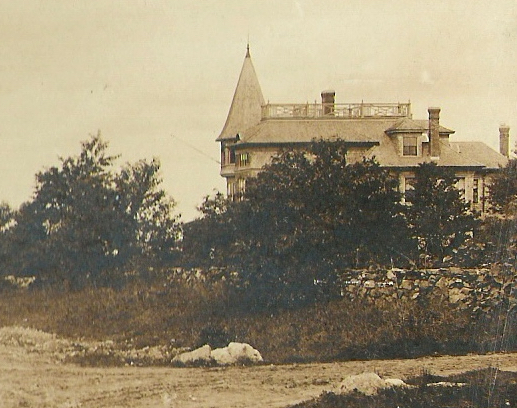
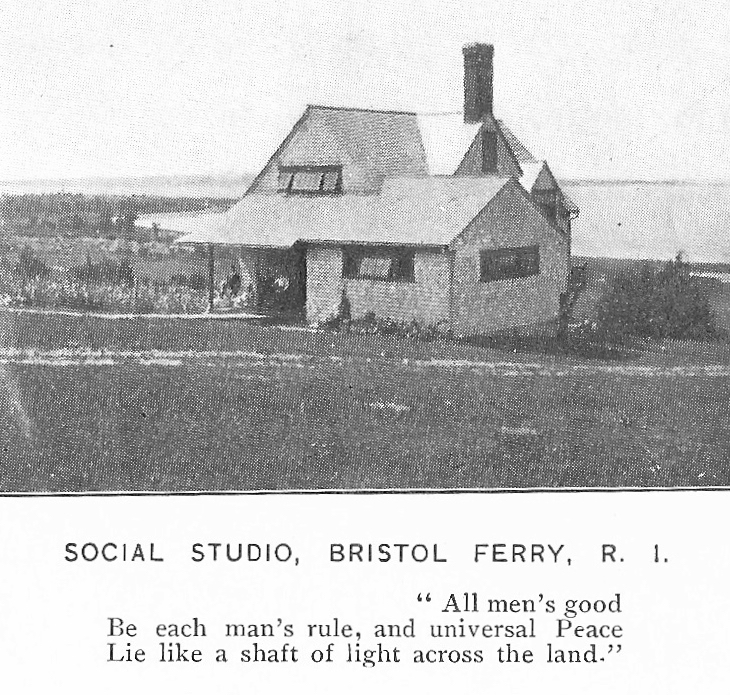
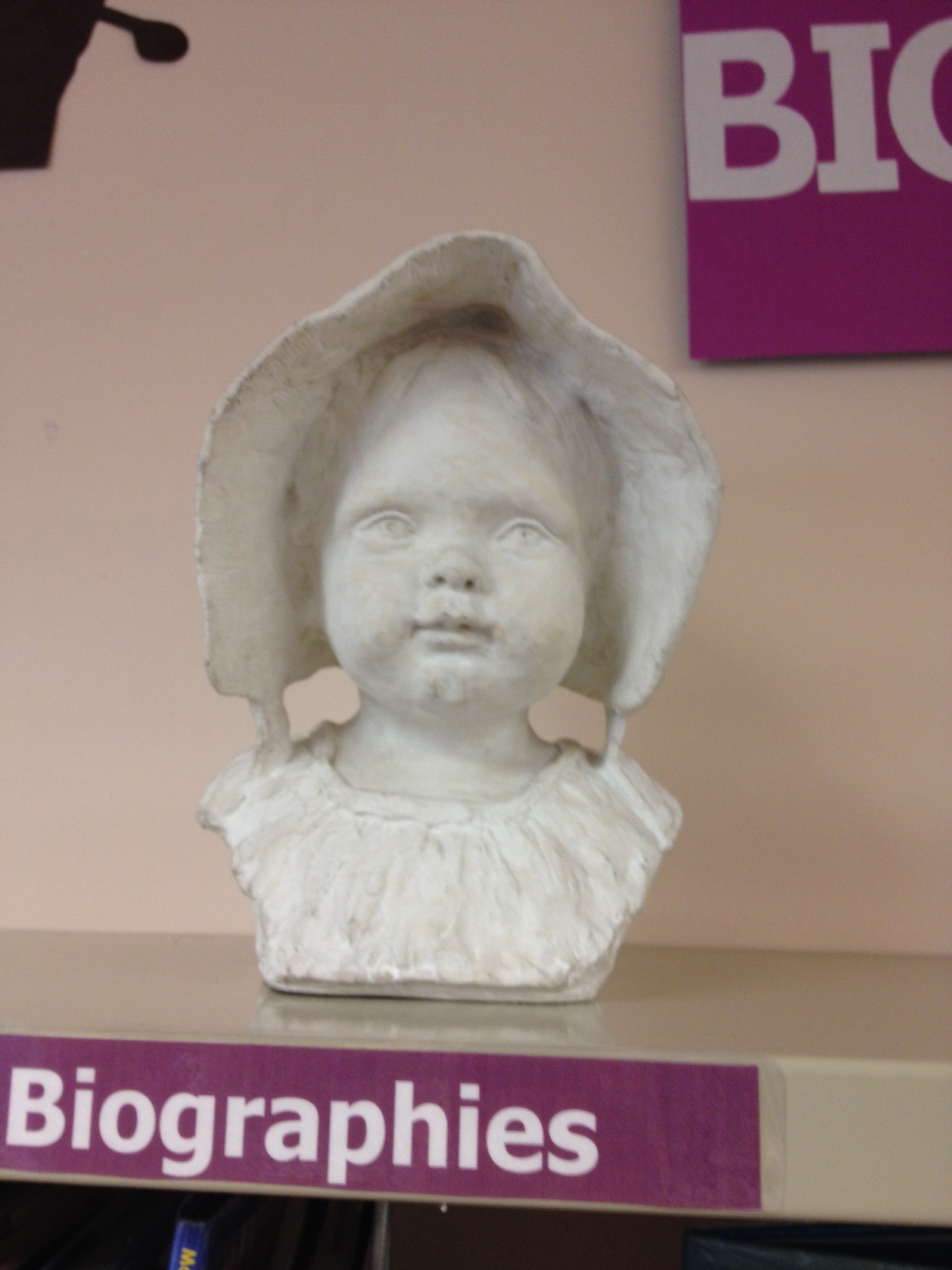
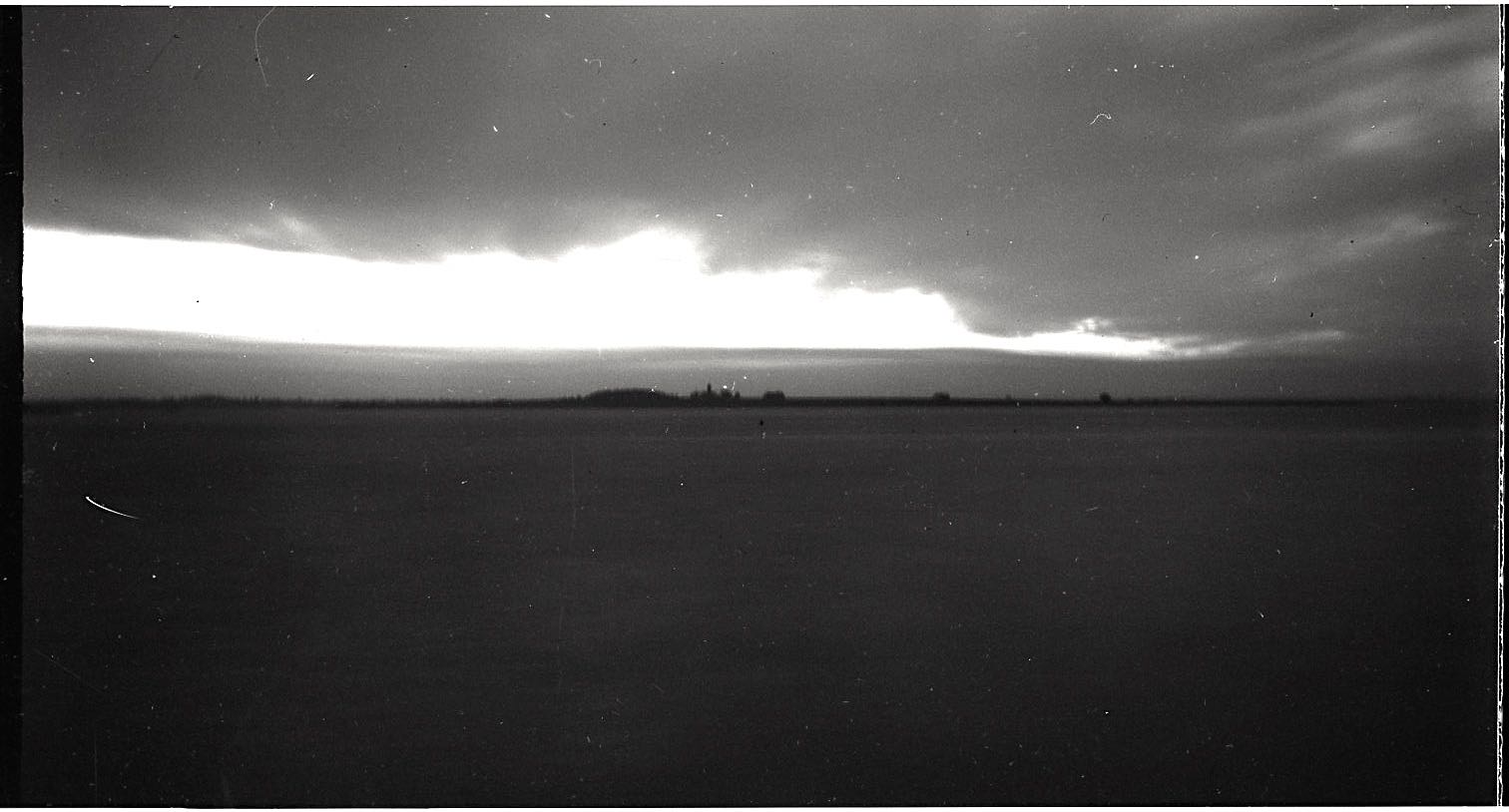
In the late 19th and early 20th centuries the Bristol Ferry neighborhood was known as an artist colony. Along Bristol Ferry Road large homes were built as summer residences. Noted artist, sculptor and photographer Sarah Eddy brought art students to Bristol Ferry to enjoy the special light in the area. Sarah started a “Social Studio” to teach crafts and kindness to the local youth. Internationally known artist Oscar Miller made Bristol Ferry his home when he married into local Mitchell family.
Suffragists
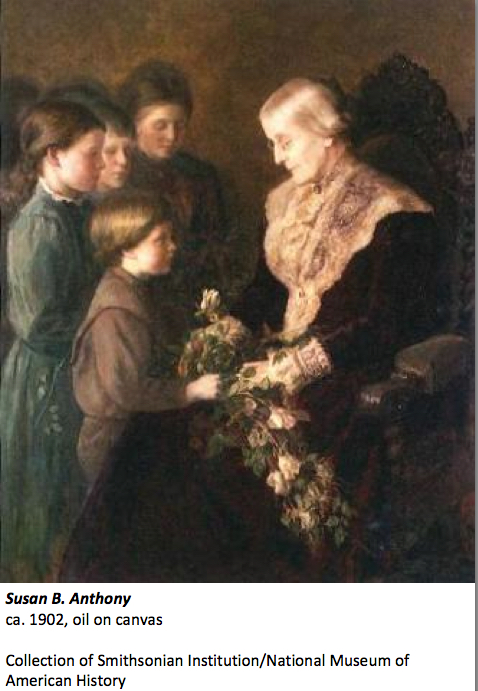
Sarah Eddy had connections with national leaders in the abolition and woman’s suffrage movement. Susan B. Anthony even came to Eddy’s house in Portsmouth to have her portrait painted. The women who lived in the Bristol Ferry area became the hub of the Aquidneck Island and Rhode Island suffrage movement.
The Bridge changes everything
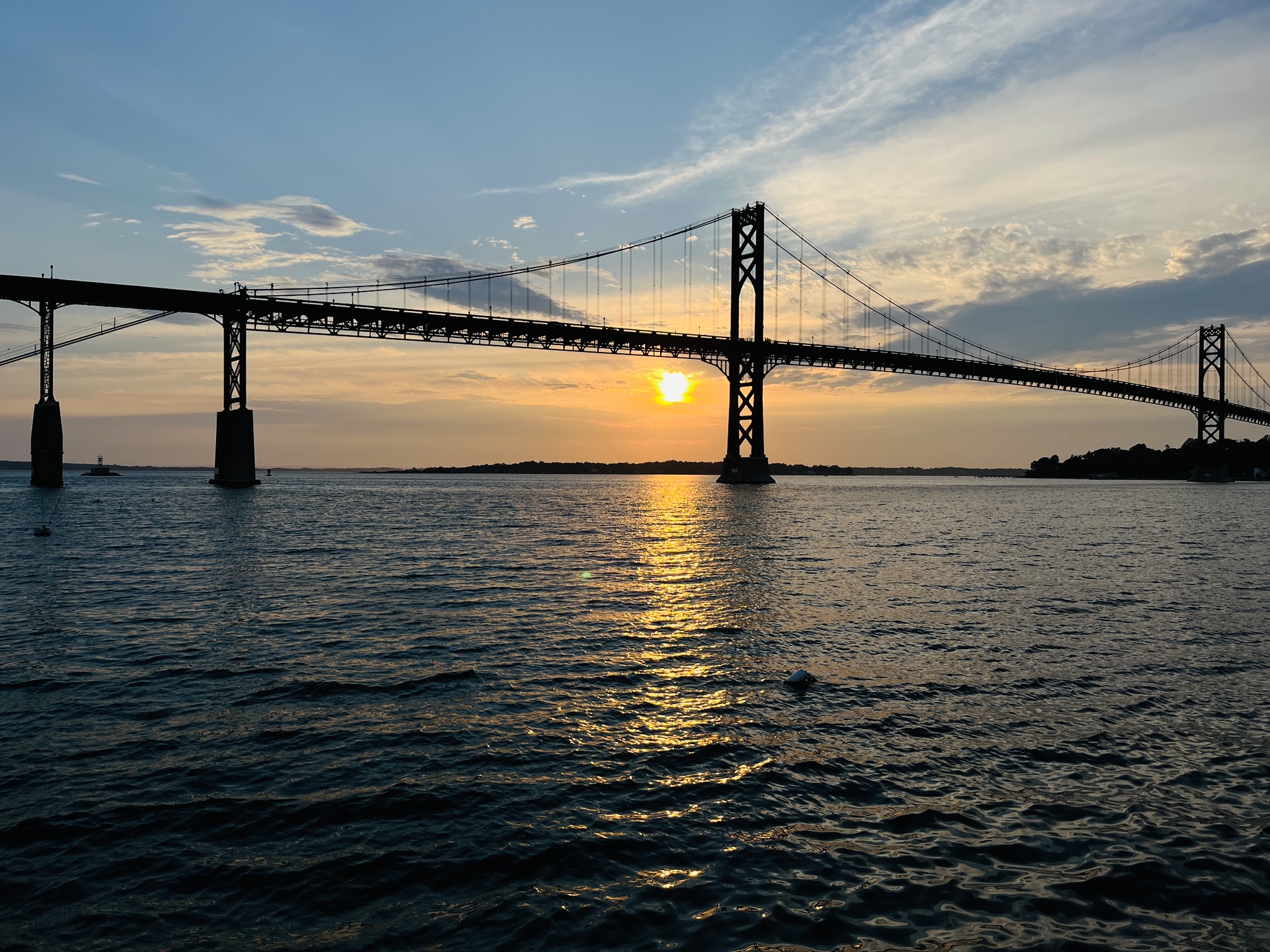
The Mount Hope Bridge, designed in 1927 by a private company and opened for travel in 1929 is a prize-winning suspension bridge over Narragansett Bay between Providence and Newport. With the bridge, the use of the Bristol Ferry Landing diminished. Today that high transportation area is the beautiful Mt. Hope Park, a quiet spot to enjoy a sunset.



 portsmouthhistorynotes