Home

In her own words: Julia Ward Howe

Leave a comment

Julia Ward Howe’s book Reminiscences 1819-1899 has been on my bookshelf for quite a number of years. I know I have read portions of it because I can see the sticky notes I have stuck in the book. The librarian in me is still hesitant to mark my books. Now I go back to that book and books created by her daughters to get a fresh look at Julia. In my blog I am going to share some of the passages that give me an understanding of the woman who was so important to our history.

In the Chapter on The Woman Suffrage Movement she wrote: (page 372)

“I sometimes feel as if words could not express the comfort and instruction which have come to me in the later years of my life from two sources. One of these has been the better acquaintance with my own sex; the other, the experience of the power resulting from associated action in behalf of worthy objects.

During the first two thirds of my life I looked to the masculine ideal of character as the only true one. I sought its inspiration, and referred my merits and demerits to its judical verdict. In an unexpected hour a new light came to me, showing me a world of thought and of character quite beyond the limits within which I had hitherto been content to abide. The new domain now made clear to me was that of true womanhood, –woman no longer in her ancillary relation to her opposite man, but in her direct relation to the divine plan and purpose, as a free agent, fully having with man every human right and every human responsibilit. “
Bristol Ferry Road Neighborhood: Travelers, Artists, Suffragists and A Bridge

Leave a comment

Travelers

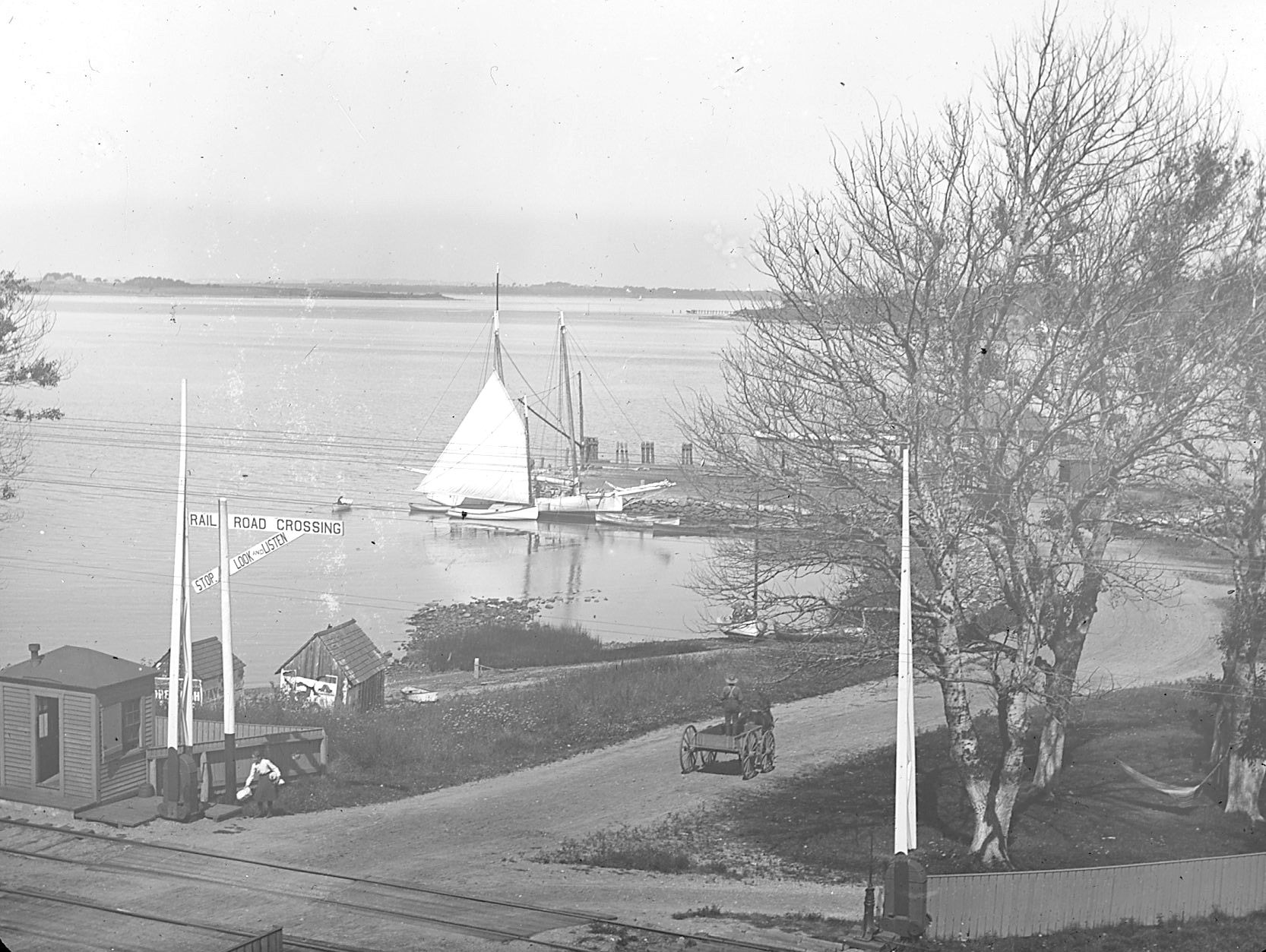
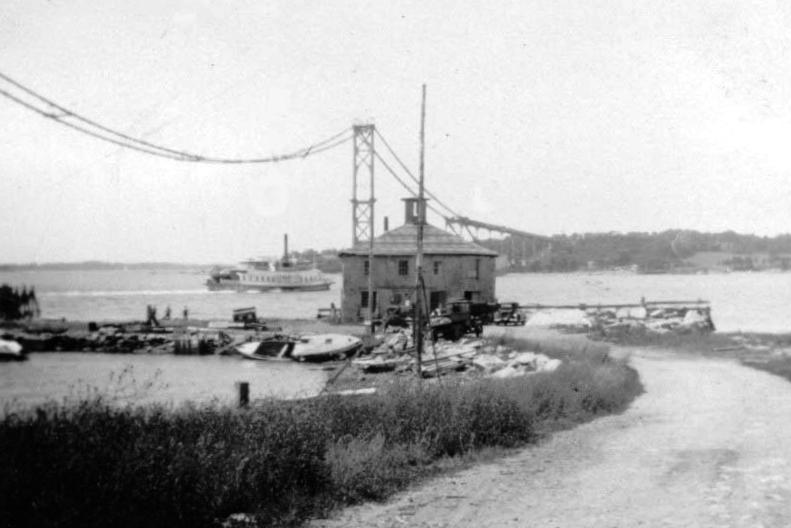
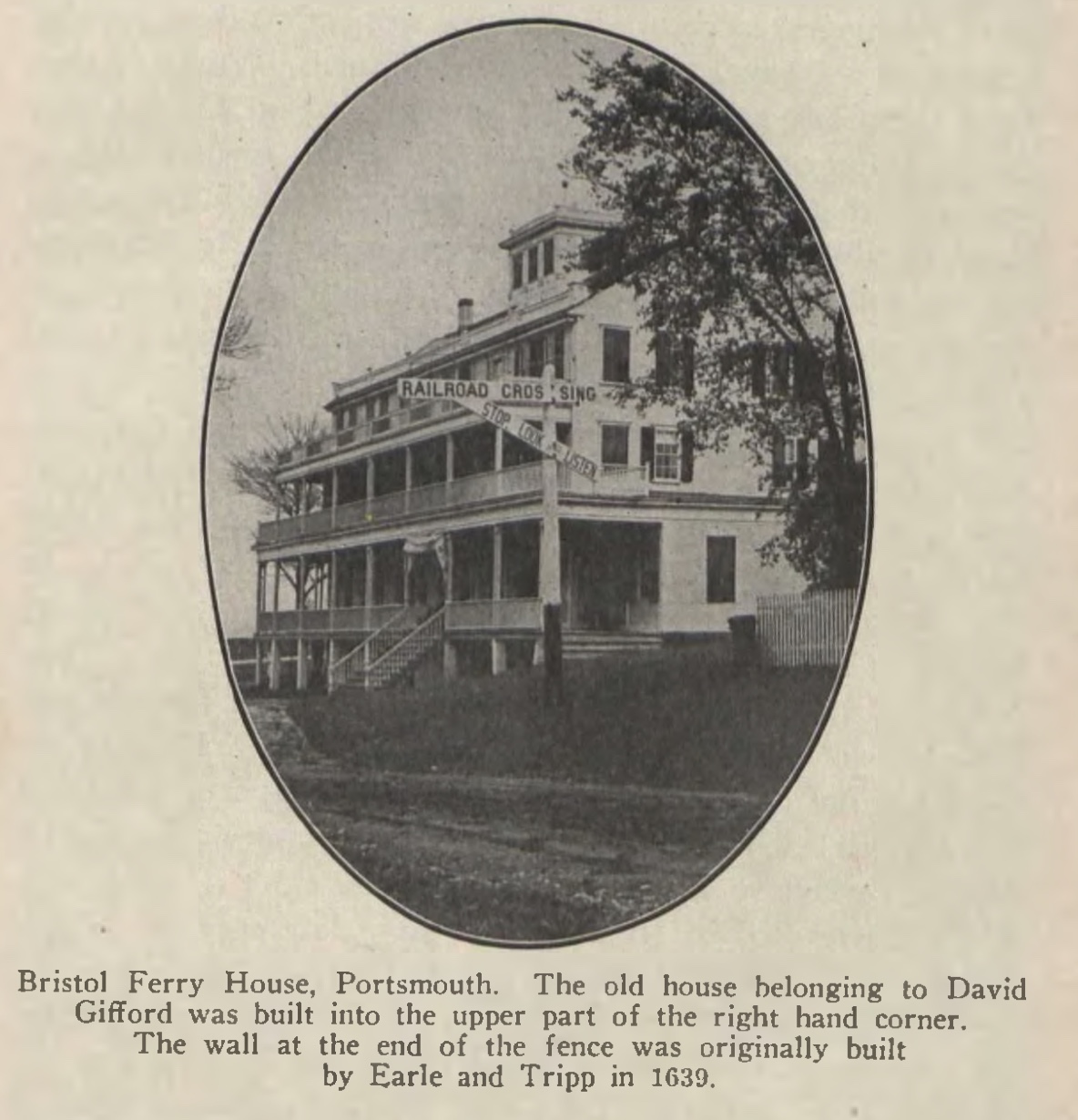
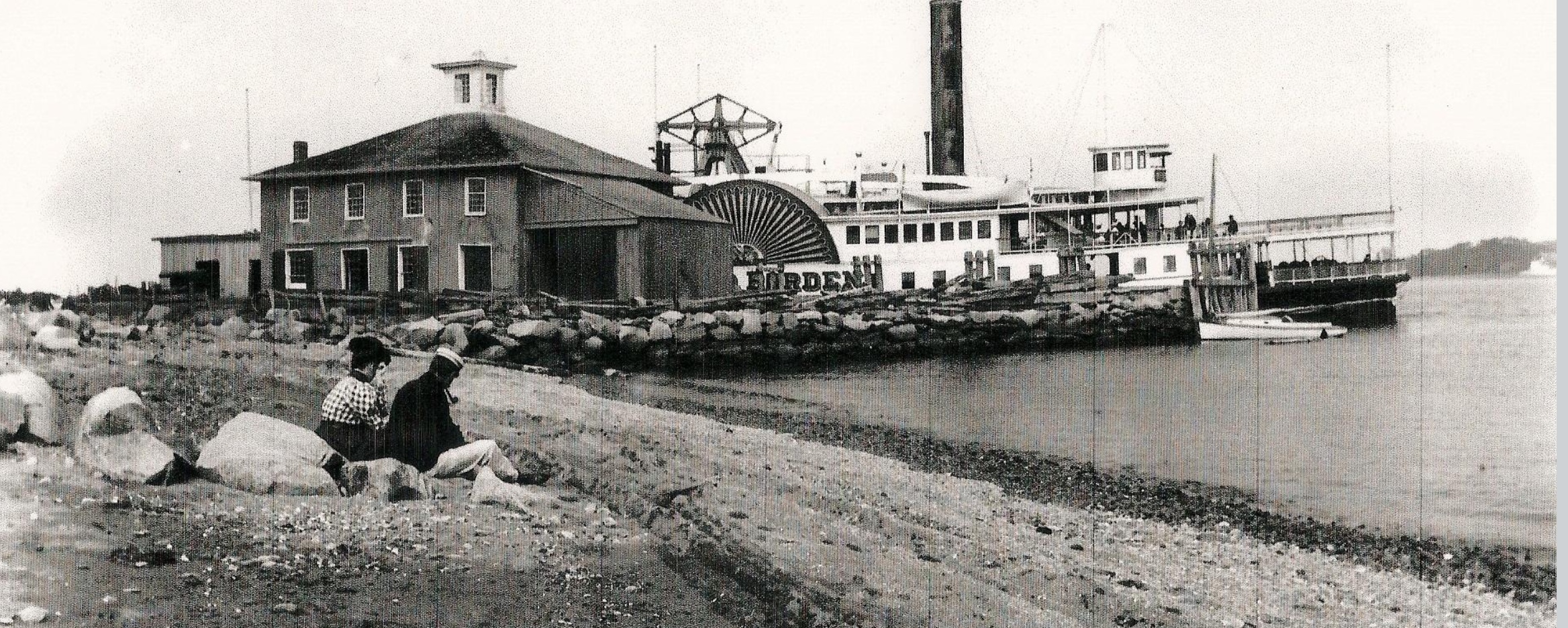
The Bristol Ferry grew in importance after the Revolutionary War and a whole transportation network developed around it. Railroad service, steamers (even the famous Fall River line in the 1860s), and trolleys had stops at this hub. A summer colony grew up around the ferry landing and that drew wealthy people from Providence. Around 1850 a large hotel that could accommodate 50 guests was in service and continued for the next 75 years. Bristol Ferry Landing became a thriving center with the hotel, a wharf, stores, a railroad station, post office, telegraph office and summer cottages.

Artists

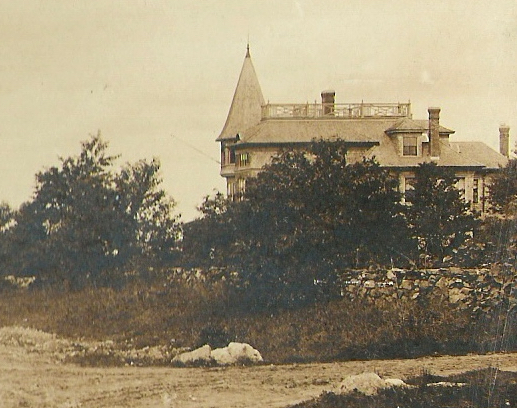
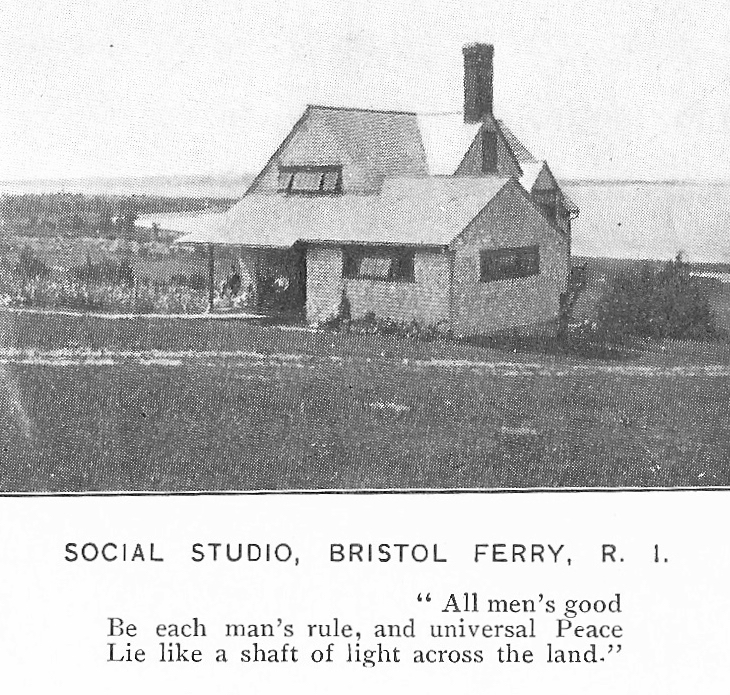
In the late 19th and early 20th centuries the Bristol Ferry neighborhood was known as an artist colony. Along Bristol Ferry Road large homes were built as summer residences. Noted artist, sculptor and photographer Sarah Eddy brought art students to Bristol Ferry to enjoy the special light in the area. Sarah started a “Social Studio” to teach crafts and kindness to the local youth. Internationally known artist Oscar Miller made Bristol Ferry his home when he married into local Mitchell family.

Suffragists

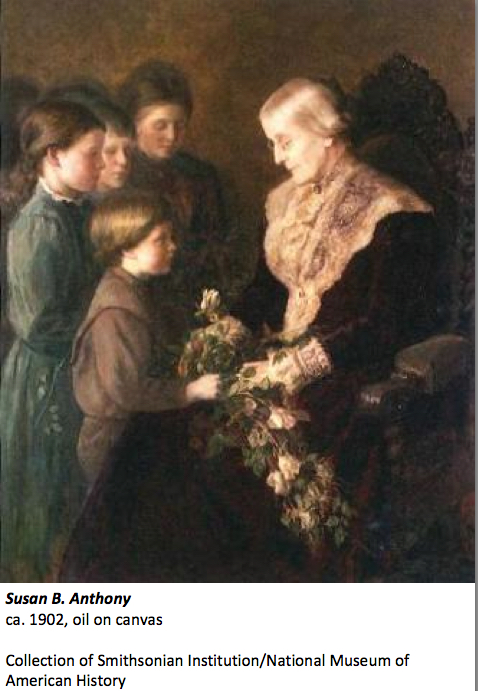
Sarah Eddy had connections with national leaders in the abolition and woman’s suffrage movement. Susan B. Anthony even came to Eddy’s house in Portsmouth to have her portrait painted. The women who lived in the Bristol Ferry area became the hub of the Aquidneck Island and Rhode Island suffrage movement.

The Bridge changes everything

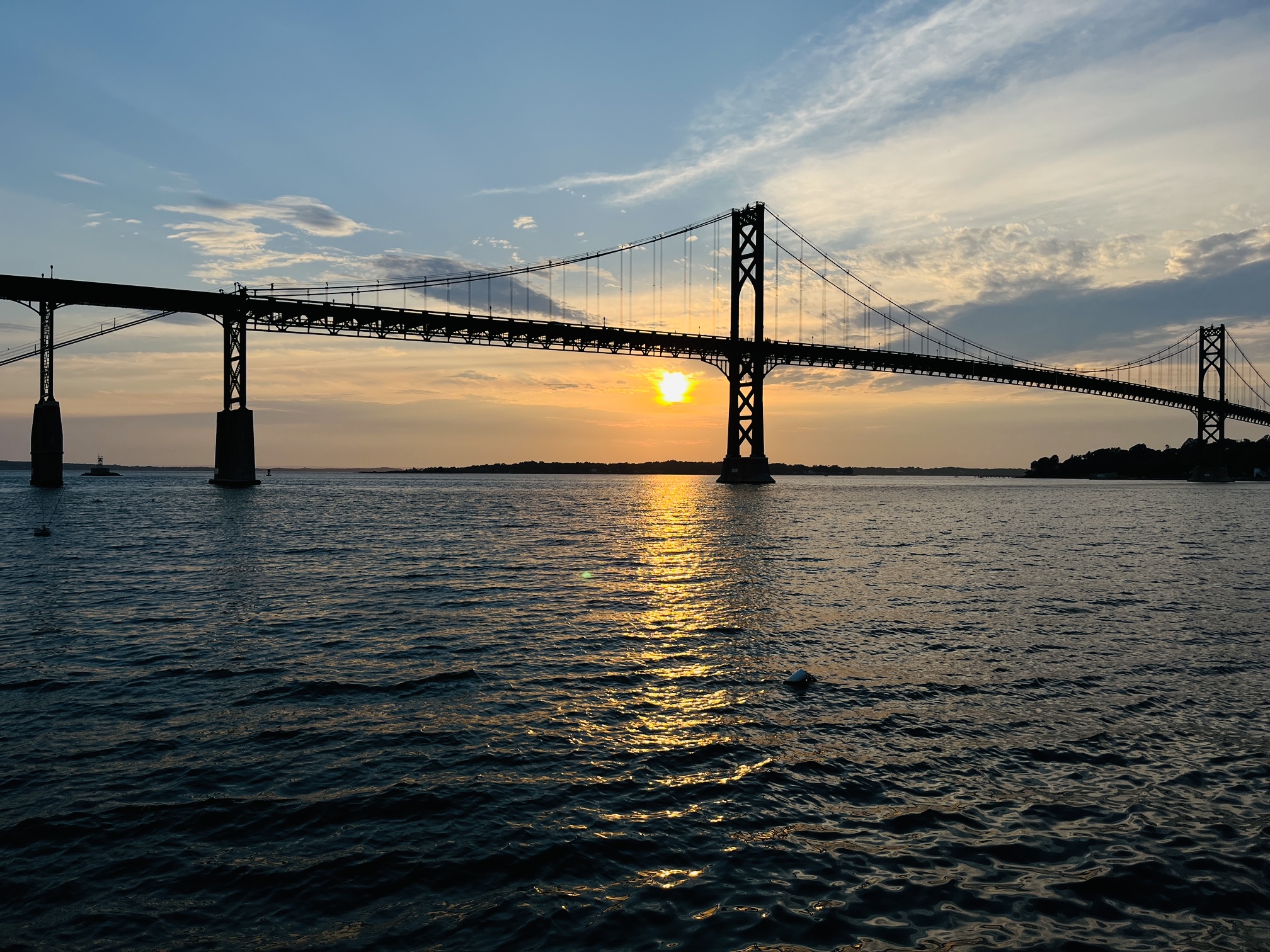
The Mount Hope Bridge, designed in 1927 by a private company and opened for travel in 1929 is a prize-winning suspension bridge over Narragansett Bay between Providence and Newport. With the bridge, the use of the Bristol Ferry Landing diminished. Today that high transportation area is the beautiful Mt. Hope Park, a quiet spot to enjoy a sunset.