The Newport County Fair in September was a highlight of the year for Portsmouth farmers and residents. The fairgrounds were across from where St. Barnabas Church is today. Since a 1907 article from the Newport Mercury names that year’s fair as the 10th annual, it probably started in 1897. I have found newspaper articles mentioning the fair in the 1930s, but I don’t have a definite ending date. The fair was sponsored by the Newport County Agricultural Society.
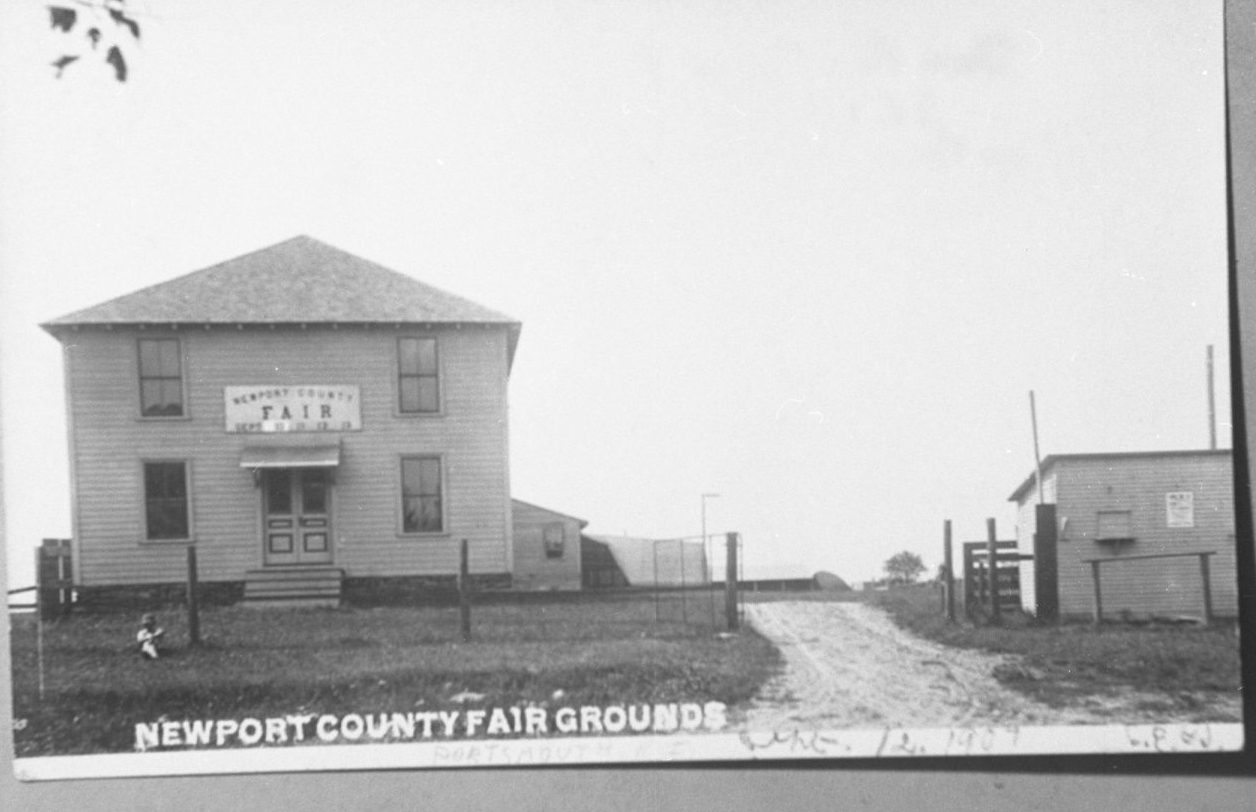
What was the fair like? Newspaper account give us some clues.
The 1904 article in the Newport Mercury raves about the dinner and supper served in the large dining hall. There was a “cosey corner” available for fair goers to take a rest and sit down. This was called “Home Rest” and was organized by Mrs. Eldredge of the Social Studio at Bristol Ferry. The Rhode Island Rug Works featured an exhibit of rugs made from old carpets. Outside on the grounds there were activities for girls and boys that would test their strength. There was even a tent with a rattlesnake!
A 1907 account tells us that the vegetable exhibits were “a great surprise to the farmers themselves since this had been a very hard year for crops. Oakland Farm’s exhibits of fruits and vegetables outdid the displays by the other farms. Glen Farm had a special exhibit instead of entering the usual classes of competitions.
The 1914 Fair featured a long distance telephone on the grounds. There was a “baby health” contest judged by a doctor. Prizes included five dollar gold pieces, silver spoons and bronze medals. There was a baby beauty contest open to Rhode Island babies over six months and under three years old. That contest would be judged by “women living outside the state and unknown to the contestants.”
The fair had more than farm produce. There were displays of gramophones and musical instruments. The embroidery department featured eyelets, pretty hats, and shirtwaist dresses. The artists had their work on display. Bessie Cram showed her hand painted china and Sarah Eddy and Sophia Mitchell displayed their paintings. Kitchen cabinets, dining room furniture and kitchen ranges were featured.
The children’s department (which probably featured works by children from the Social Studio, included burnt wood cork, hammered brass and pencil drawings.
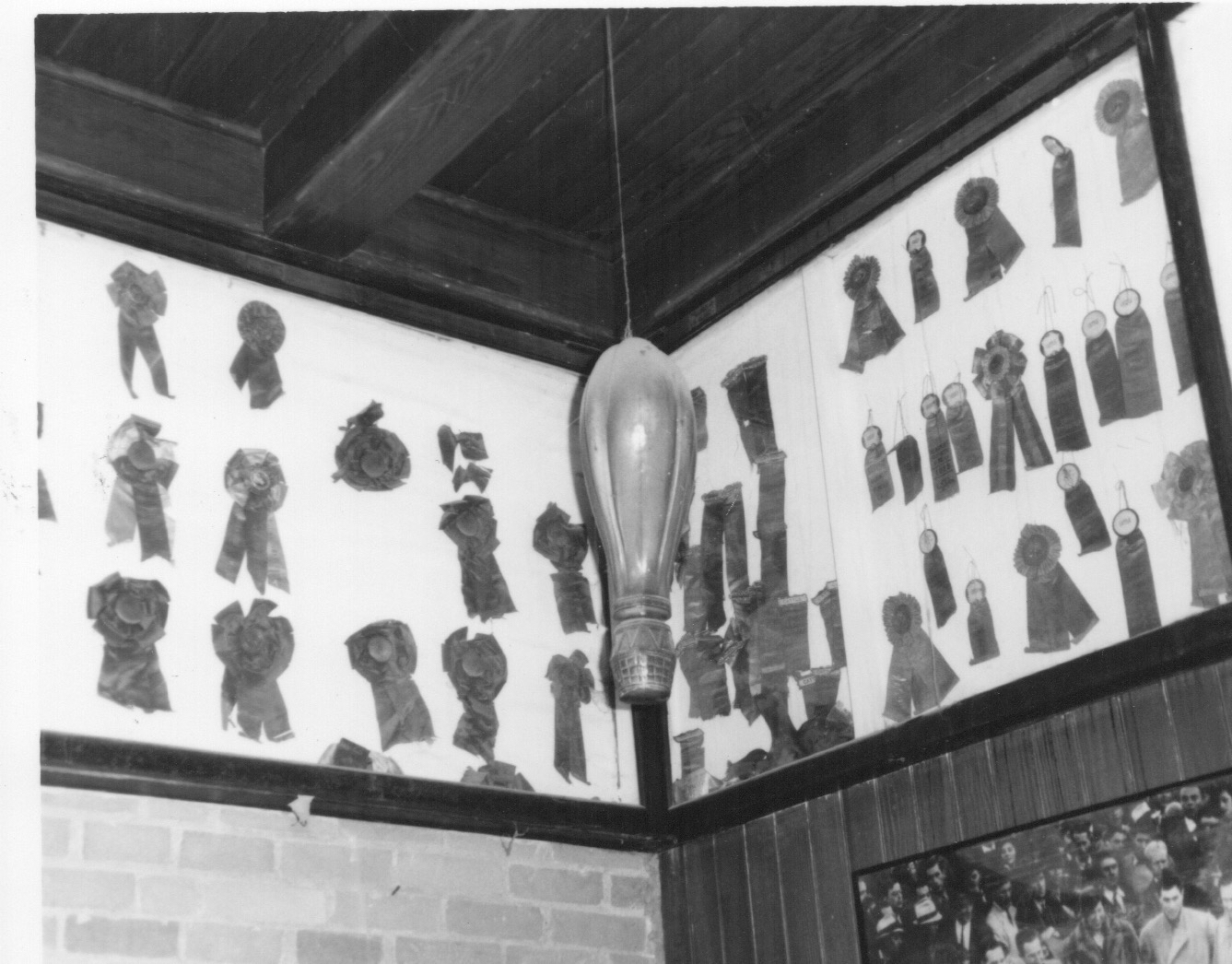
Winning medals at the fair assured bragging rights for the lucky contestants. The competition between the Gentlemen’s Farms was especially fierce.

