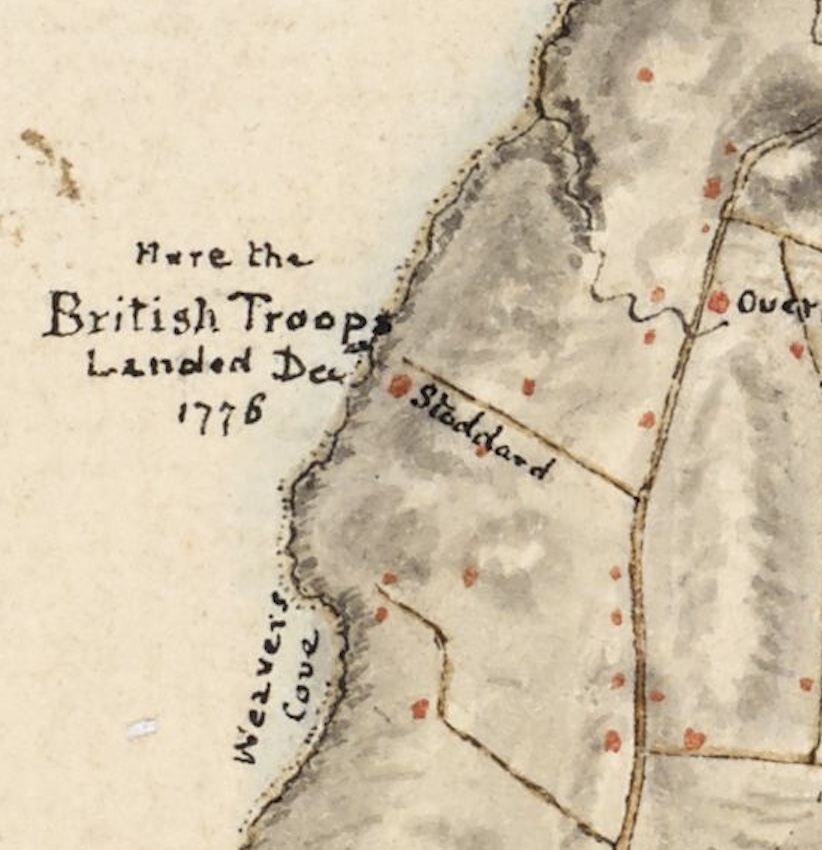
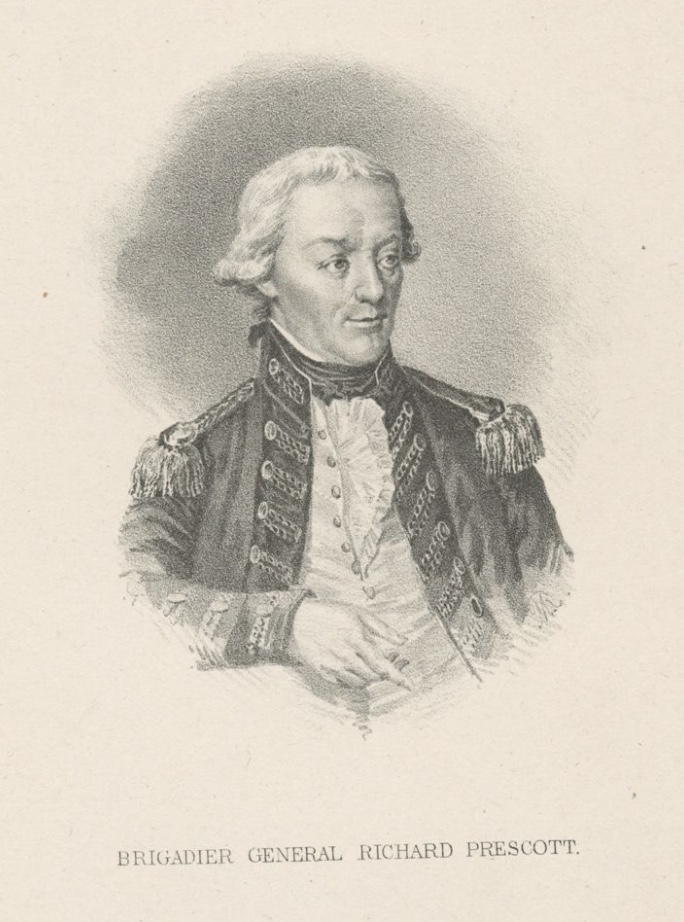
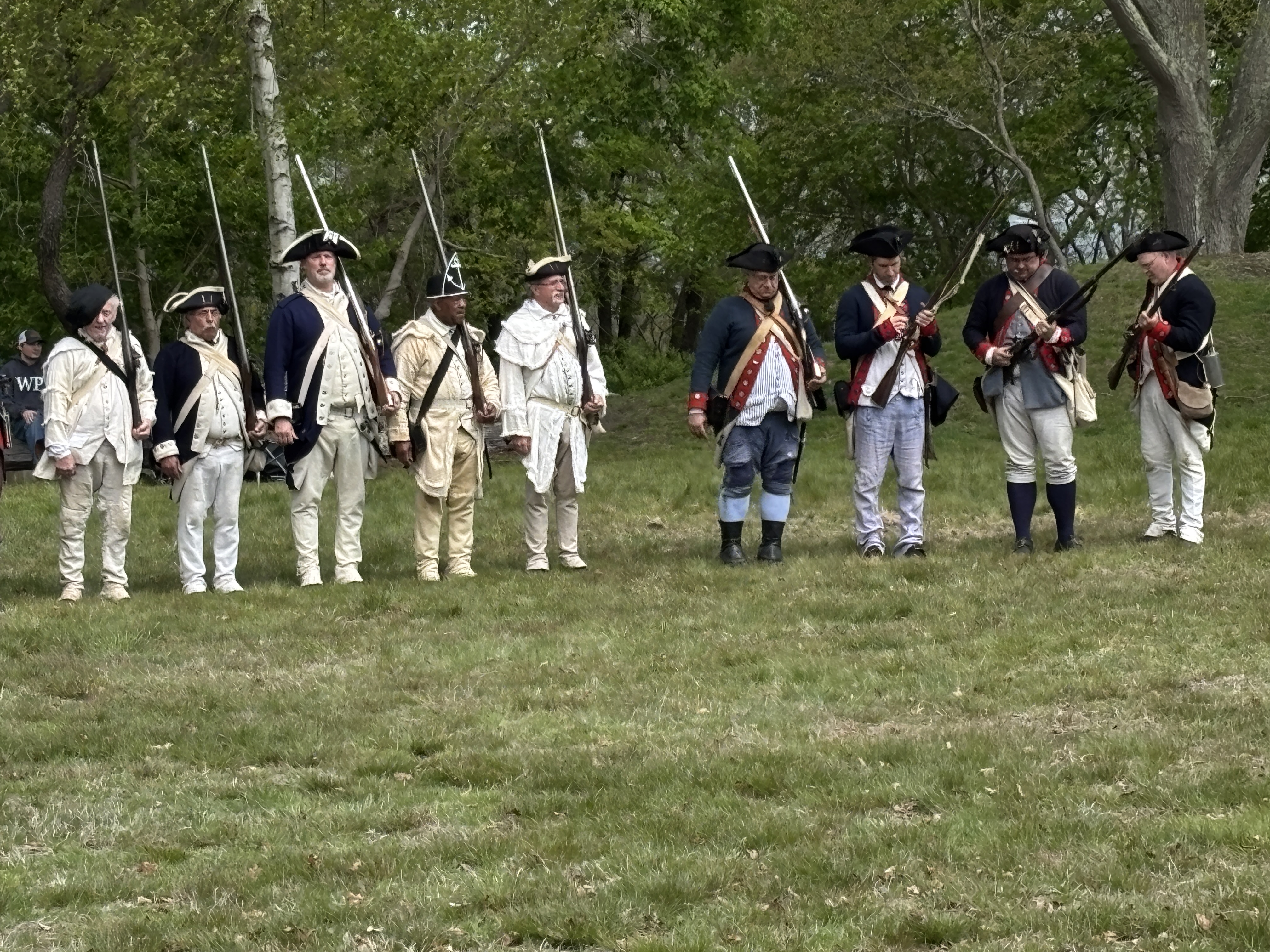
On December 8th, 1776 British General Prescott landed his troops on Aquidneck Island. They landed on the Western shore near the border of Middletown and Portsmouth at Weaver’s Cove. This was the beginning of the Occupation of Rhode Island (Aquidneck Island). The American militiamen were unable to mount a defense and they escaped by using the ferries to Bristol and Tiverton.
Fage Map
The British had ample reason to invade and occupy Aquidneck Island (called Rhode Island at that time). Newport had a fine harbor from which the British fleet could raid up and down the coast. It would enable them to blockade ships carrying supplies from abroad that were needed by the Americans.
This Occupation made the war experience different for those on Aquidneck Island harsher than those on the mainland. The Occupation lasted almost three years, ending in the fall of 1779.
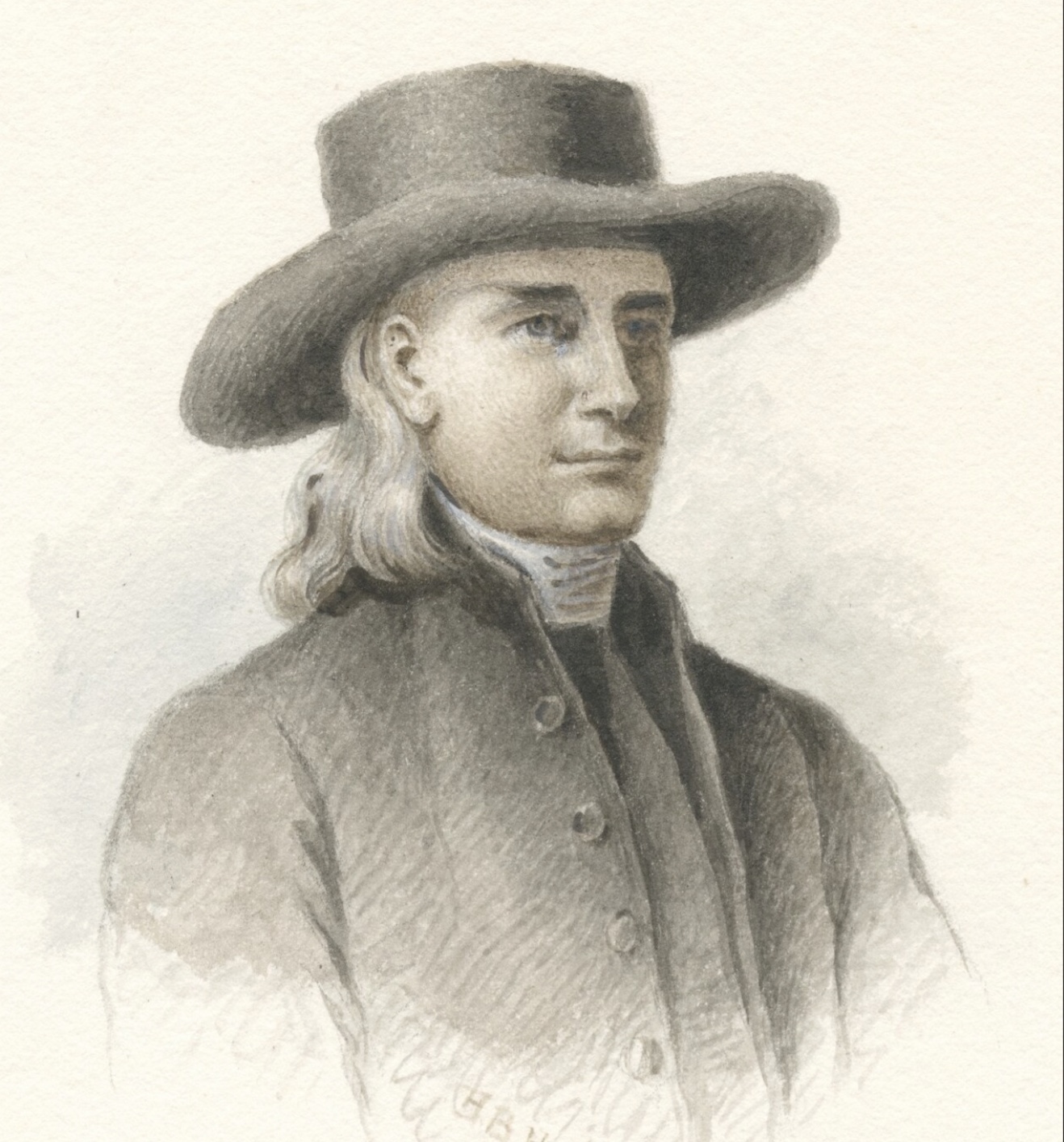
Greene was born into a Quaker family in the Coventry area of Rhode Island. He worked as the resident manager of the Coventry Iron Works, working at the forge making large ship anchors and chains until he enlisted in the army. Although of Quaker background, Greene was active early in the colonial fight against British revenue policies in the early 1770s. He was self educated and valued books and learning – especially about military topics. He helped establish the Kentish Guards, a state militia unit, but a limp prevented him from joining it. Rhode Island established an army after the April 1775 Battles of Lexington and Concord. Greene was tapped to command it. Later that year Greene became a general in the new Continental Army. Greene served under George Washington in the Boston campaign, the New York and New Jersey campaign, and the Philadelphia campaign. He was appointed quartermaster general of the Continental Army in 1778, but he reserved the right to command troops in the field. Before the Battle of Rhode Island, Greene was placed in charge of the right flank of the army. He had the reputation of being one of Washington’s most talented Generals.
Rhode Island’s General Assembly rejected King George and broke its legal ties to him two months before the independence was declared by the Second Continental Congress. What it did was repeal an earlier document which pledged Rhode Island to the King and Great Britain and it repealed language that bound the colony to Royal Authority. Before the declaration each elected officer in the colony had sworn allegiance to the king before assuming his duties. The General Assembly would continue to govern itself, and all court proceedings would be performed in the name of the state not the King.
The preamble
“Whereas in all States existing by Compact Protection and allegiance are reciprocal the latter being only due in Consequence of the former: And Where as George the Third King of Britain forgetting his dignity, regardless of the Compact most solemnly entered into ratified & confirmed to the Inhabitants of this Colony by his illustrious Ancestors- and till of late fully recognized by him and entirely departing from the duties and Character of a good king- instead of Protecting is endeavoring to destroy the good people of this Colony, and of all the united Colonies by sending Fleets and Armies to America to confiscate our Property and to spread Fire, Sword and Desolation throughout our Country in order to compel us to submit to the debasing and detestable Tyranny whereby we are obliged by necessity and it becomes our highest Duty to use every means with which God and Nature have furnished us, in support of our invaluable rights, & privileges to oppose that Power which is exerted only for our destruction.”
The preamble to the act states that the king, in violation of the compact, had introduced fleets and armies into the colony to force upon the people a detestable tyranny.
It became the right and duty of the people to make use whatever means to support their rights.
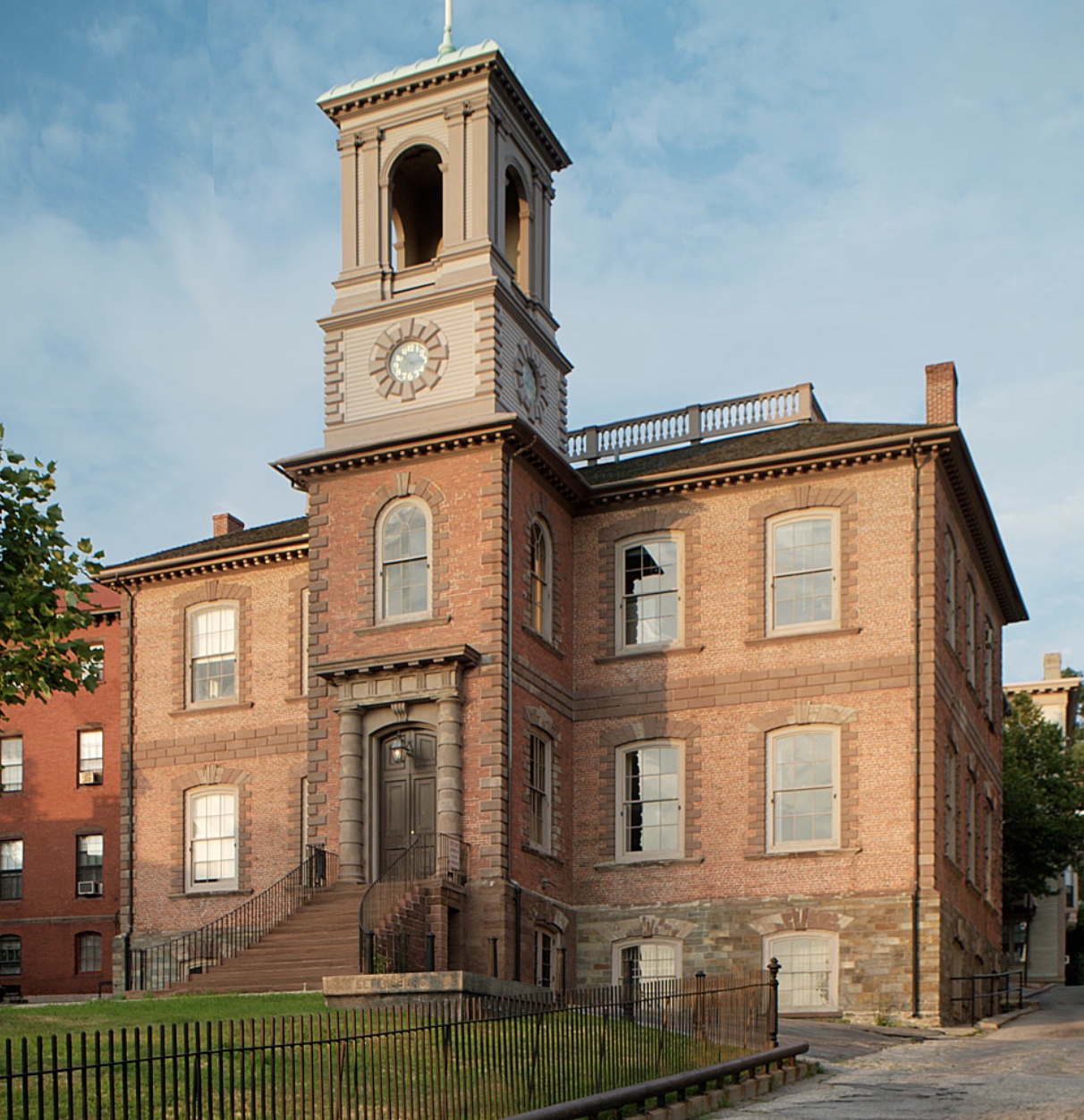
Old Colony House in Providence where the May 4, 1776 document was voted upon.
When and where was the first naval battle of the American Revolution? You might not be surprised to know that battle took place off of Newport. The date was the 15th of June in 1775, not long after the Colonial General Assembly enacted a resolution to charter and arm two vessels for the protection of trade on June 12, 1775.
In 1774, the British frigate, the Rose, under the command of Sir James Wallace, was sent to Narragansett Bay in Rhode Island. The Rose was successful in ending the smuggling that had made Newport wealthy. John Brown and other leading merchants advocated for the protection of Rhode Island trade. The Rhode Island Assembly directed the committee of safety to charter two vessels for protection. This action created the Rhode Island Navy, the first American Navy of the Revolution.
Merchant Brown chartered one of his sloops, the Katy, to this new Navy. Abraham Whipple, one of Brown’s best captains, assumed command of the Katy and a smaller vessel – the Washington. As the new commodore, Whipple lost no time in trying to clear the smaller ship tenders of the Rose from their positions in Narragansett Bay. Whipple had more fire power than the tenders and he was able to fire on the sloop Diana and take her as a prize on June 15, 1775. This was the first naval engagement of the Revolutionary War.
Whipple towed the Diana back to Providence and when the Rose sailed up the Bay to investigate what happened to the Diana, Newport citizens were able to recapture five out of the six Newport merchant ships that Wallace had confiscated.
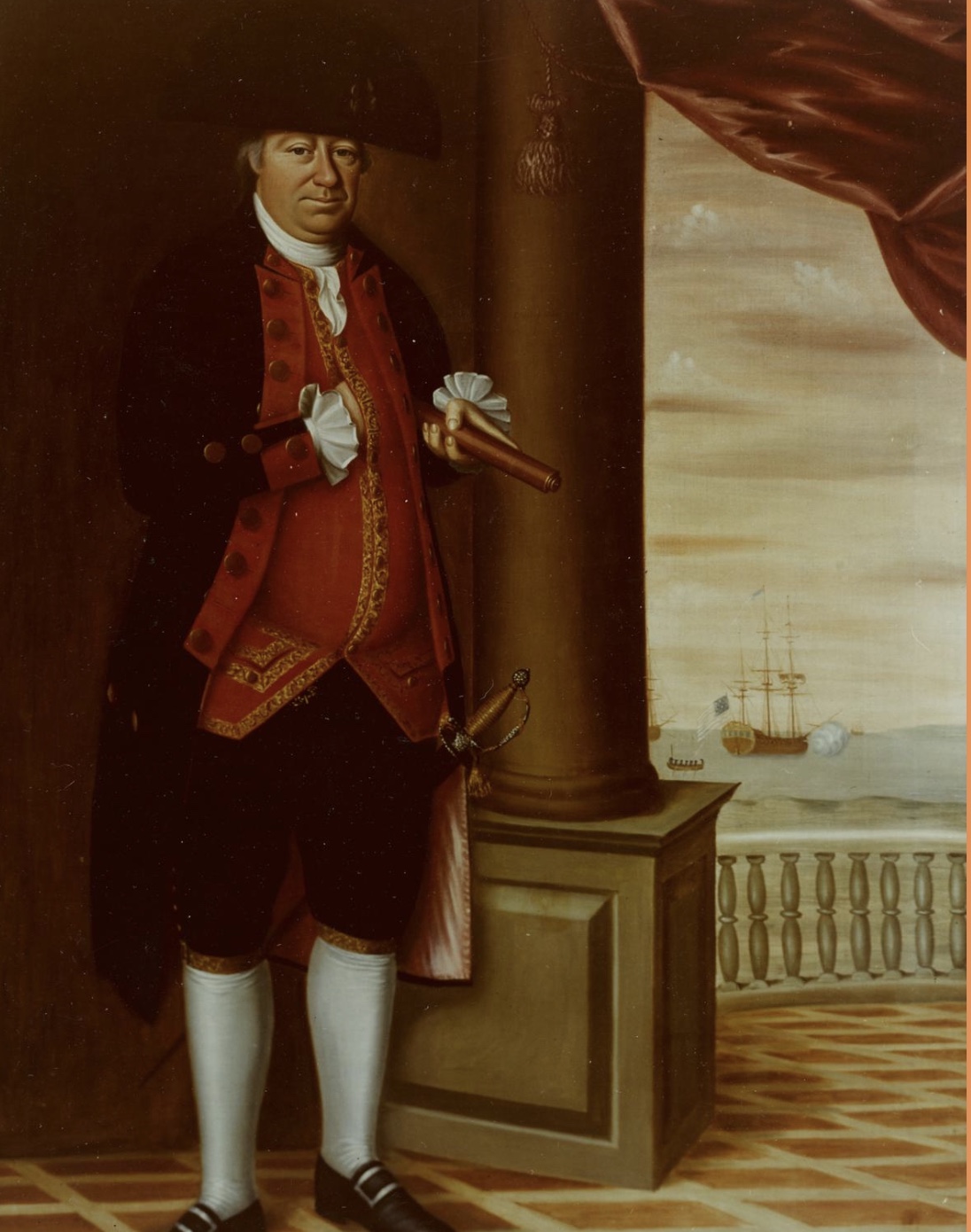
Abraham Whipple portrait by Edward Savage
The new Rhode Island Navy was not powerful enough to take on the British frigate Rose, so the Rhode Island Assembly instructed their delegate to Congress, Stephen Hopkins, to introduce a bill to create the national navy. Congress passed the bill on Octber 13, 1775. The Katy (owned by John Brown) became the first ship of the Continental Navy and was renamed the Providence.
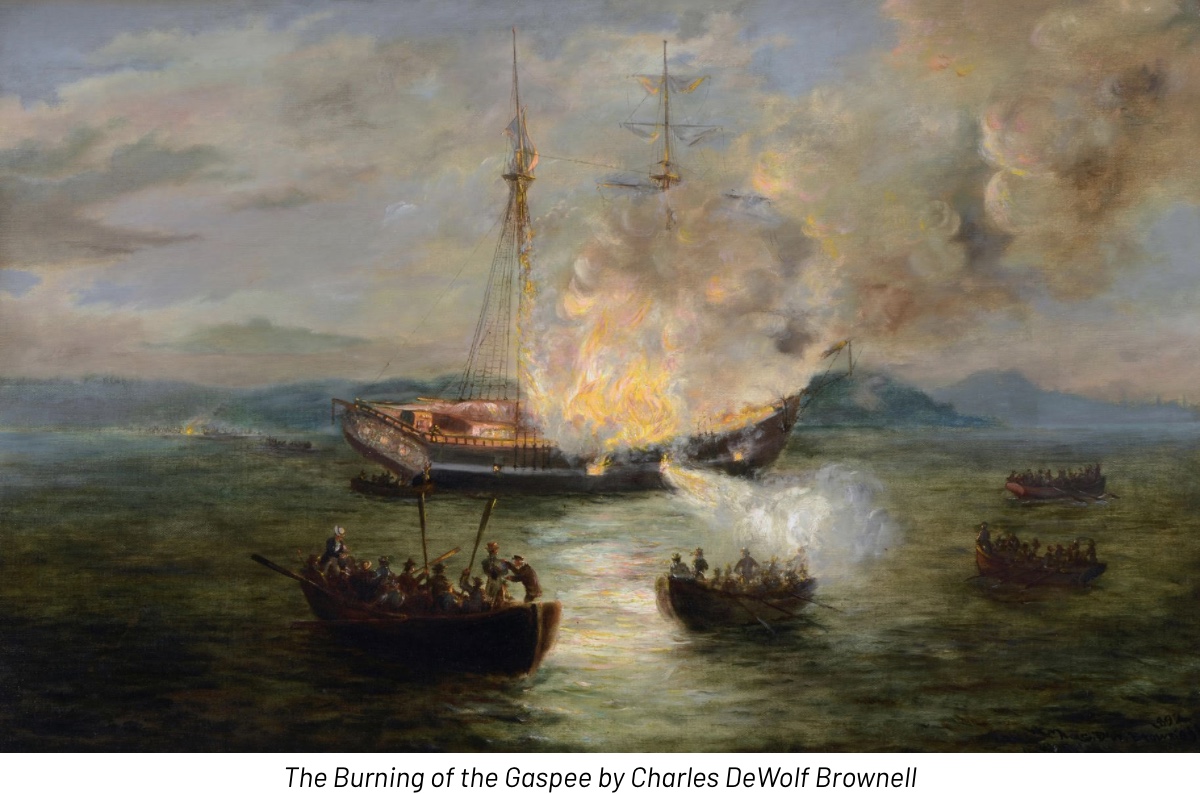
The burning of the British vessel, the HMS Gaspee on June 9, 1772 was a protest to the British Navigation Acts. In the colonies the Navigation Acts were meant to force Americans to only trade with the British Empire. The Rhode Island economy was based in trade with the wider Atlantic. Just selling to the Empire was not enough for their molasses trade. That created a tension with the colonies (and Rhode Island in particular) and led to an increase in piracy and smuggling.
The acts permitted the customs inspectors to board any colonial ship. In February of 1772, William Duddingston, the commander of the HMS Gaspee, arrived in Rhode Island. He used this permission to search any vessel as he saw fit. Merchants objected to his searches and seizures of their goods. The local Sons of Liberty, looked for an opportunity to retaliate.
Their chance came in June 1772. The HMS Gaspee was alone and without a local pilot, but it chased a local boat called the Hannah . The Hannah could manage the shallower water, but the Gaspee ran aground. The Gaspee would be released by the tide early the next morning,. While the ship was in a vulnerable position, the Sons of Liberty rowed out and attacked the crew. Captain Duddingston was wounded. After all crew members were taken off the ship, the Sons of Liberty set fire to the Gaspee.
The event was too blatant to ignore and Parliament wanted prosecution of the attackers. Some famous names associated with the attackers are John Brown, Abraham Whipple and Ephraim Bowen. Although there was reward money offered, Rhode Islanders refused to cooperate with the British and no one was ever prosecuted. Duddingston, however, was courtmartialed.
This event led to the Committees of Correspondence, a network that united the colonies in their resistance to British rule.
Every year for 50 year the village of Pawtuxet (near Cranston and Warwick) celebrates this event with Gaspee Days and a Parade.
Resources.
Park, Stephen. The Burning of His Majesty’s Schooner Gaspee. Westholme, Yardley PA, 2013.
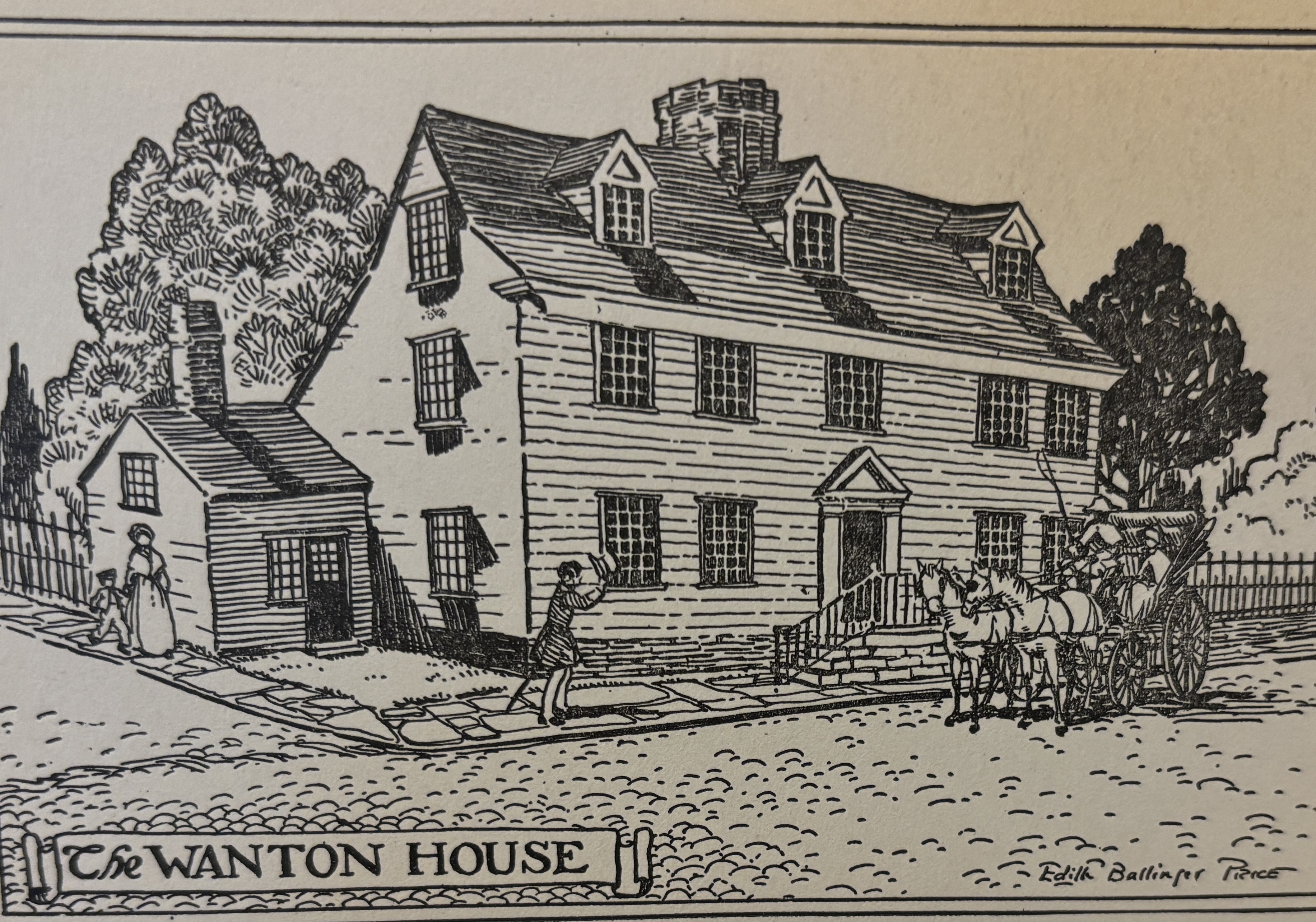
Newport had its mob scenes, especially in response to British taxes. The Stamp Act of 1765 was a tax on printed paper. All printed material in the colonies had to be produced on paper carrying a revenue stamp. Its aim was to pay for the costs of the Seven Year’s War AND to help cover the costs of Britain’s troops in the colonies. Americans saw the tax was “taxation without representation.” Stephen Hopkins had written a pamphlet – The Right of Colonies Examined – to oppose the Stamp Tax. Martin Howard of Newport wrote a pamphlet defending Parliament’s right to tax the colonists. Along with Howard, Stamp Act defenders were Dr. Thomas Moffat and Augustus Johnson, the Stamp officer.
August 26. 1765 a gallows was erected in Queen Anne Square. Effigies of the three Stamp Act defenders had been created and hung in the gallows. The effigies were guarded by William Ellery (who would sign the Declaration of Independence), Samuel Vernon and Robert Crook. These may have been leaders in the Sons of Liberty. A mob collected and after sundown the effigies were burned.
Wanton, Lyman, Hazard House was the Howard House at the time of the Stamp Act. Now property of the Newport Historical Society.
At 8 in the evening the ring leaders and a band of ruffians carrying axes and other tools, invaded Howard’s house. They demolished china, furniture, clothing and linens. They carried away his wines and liquors. They went back at 11 PM and destroyed most of the house before they headed to Dr. Moffat’s house which they also ruined. The three Stamp Act defenders had sought safety onboard the Man of War in the harbor. The crowd then surrounded the house of Stamp-Master Johnson, but since he had promised to resign his office, they didn’t carry out any destruction.
Howard and Dr. Moffat took a ship to England by the first of September.
In some circles Minister Ezra Stiles was accused of encouraging the mob. He wrote to Benjamin Frankin that while he had spoken against the Stamp Act, he always spoke against violence.
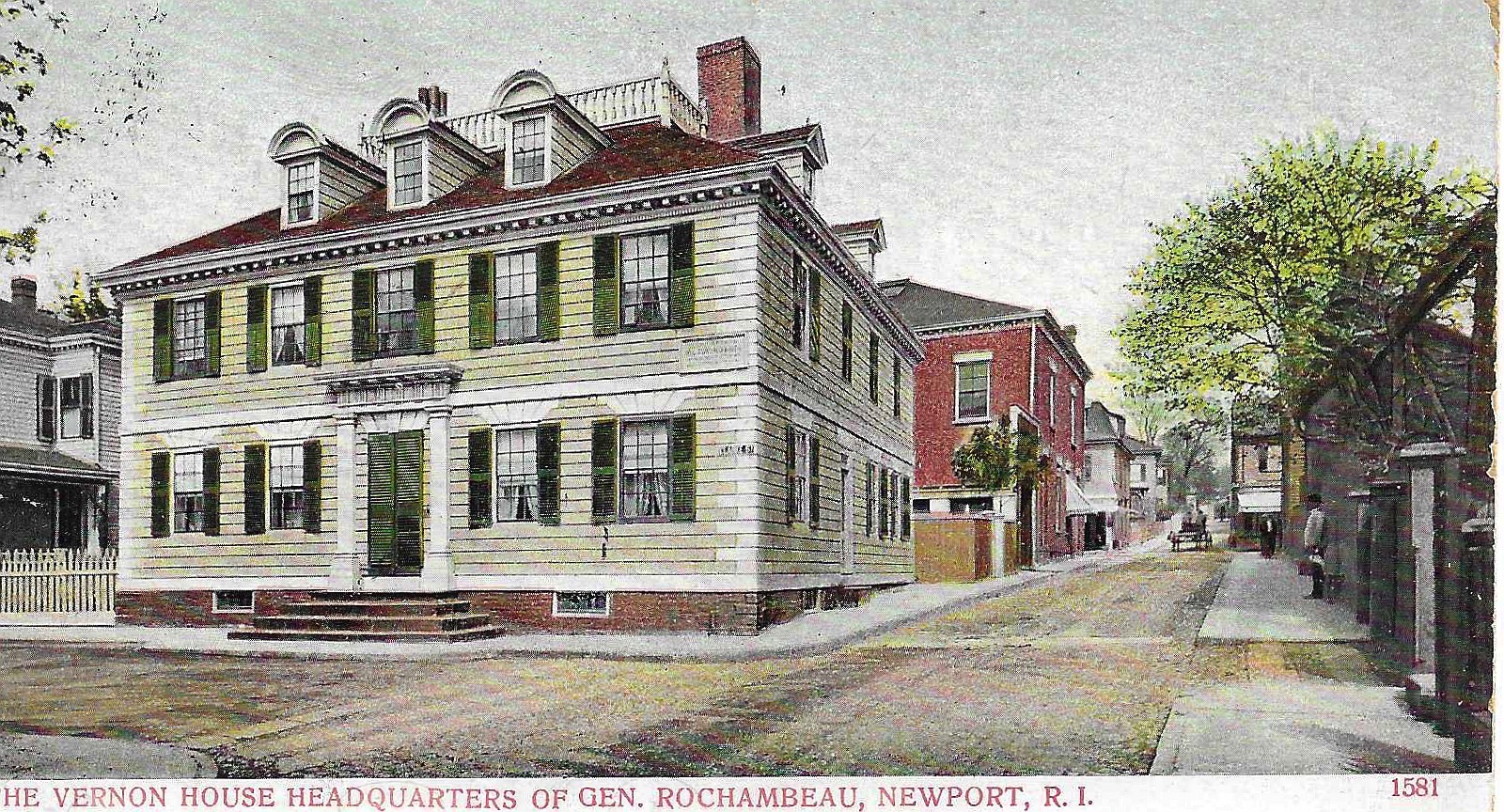
The Vernon House at 46 Clarke Street in Newport has special significance in the history of the Revolution in Rhode Island. It has connections to a British spy, an American war heroes and the French in Newport. It has a history dating from 1744, but the first owner with Revolutionary connections was Metcalf Bowler who bought the property from his father in 1759. Bowler was a noted merchant and judge, but we know now that he was also a British spy. He was concerned about his country estate in Portsmouth and hoped to salvage it from British destruction by providing information to British General Gates. In 1774 he sold the house on Clarke Street to William Vernon, a merchant and slave trader. Unfortunately for Bowler, his work as a spy did not protect his Portsmouth farm.
The Patriot: William Vernon
William Vernon and his brother Samuel were early supporters of the revolution, so when the British came to Newport, William fled Newport for Rehoboth, Massachusetts. Vernon moved to Boston and In 1777 Vernon was appointed by the Continental Congress as president of the Naval Board – a role resembling Secretary of the Navy. He was responsible for building and outfitting ships for the Continental Navy. He supported the Navy cause with his own money.
The Black Soldier: Cato Vernon
Cato Vernon was probably one of the two Black males aged under sixteen listed in the 1774 census as part of William Vernon’s household in Newport. By December of 1776 the British were in Newport and William Vernon had fled. In late 1776, Cato was working in East Greenwich as an apprentice to a ship carpenter.
On March 11, 1778, Cato enlisted in the First Rhode Island Regiment of Continentals (the famous “Black Regiment”). Cato may have enlisted without permission from William Vernon who was in Boston, but by law William was entitled to Cato’s value. Enlisting in the regiment for the duration of the war had the promise of securing freedom. The Black Regiment played a key role in the American retreat during the Battle of Rhode Island on August 29, 1778. The Regiment held back three charges of British allied Hessian troops and that was one factor enabling the Americans to get away to fight another day. Cato and the Black Regiment served all the way to the surrender at Yorktown.
Life was not easy for Cato after the war. In August 1793, Cato Vernon was in a Newport jail because he could not pay his debts. He wrote a letter from jail to William Vernon and there is a record of William Vernon paying that debt so Cato would be free.
The French in Newport
On July 11, 1780, the French Fleet arrived in Newport. The Comte de Rochambeau The commander in-chief of the French forces, used the house as his quarters and the headquarters of the French forces. Records show that on March 6, 1781 General George Washington slept at the Vernon House. On July 25, 1780. Lafayette remained in Newport with Rochambeau at Vernon House until July 31, 1780.
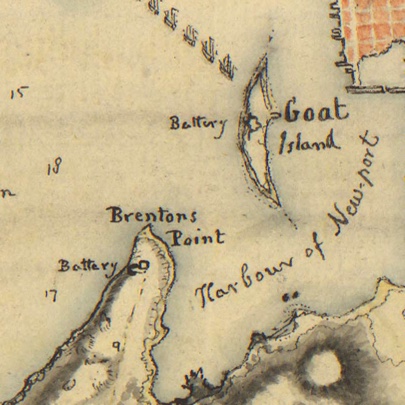
Fage map: Ft. George labeled as Battery on Goat Island.
In 1763 the British enacted a new trade policy which was aimed to clamp down on the smuggling out of Rhode Island. The British sent warships to Newport. One such warship was the custom schooner St. John. The crew of the St. John had been accused of stealing livestock and threatening to impress local seamen (forcing men to serve on British ships). On July 9, 1764 the Rhode Island Governor (Stephen Hopkins) and General Assembly ordered the gunner at Fort George on Goat Island to fire at the St. John. Accounts vary, but from eight to thirteen shots were taken. The St. John hurriedly left Newport Harbor without sustaining much damage. Some Rhode Islanders consider these the first shots fired in the Revolution.
The Maidstone Incident
June 4, 1765 the HMS Maidstone with Captain Charles Antrobus commanding, was on customs duty in Narragansett Bay. The Maidstone’s Captain had impressed so many sailors that it effected the trade in Newport. A mob took the longboat from the ship and burned it in a town square.
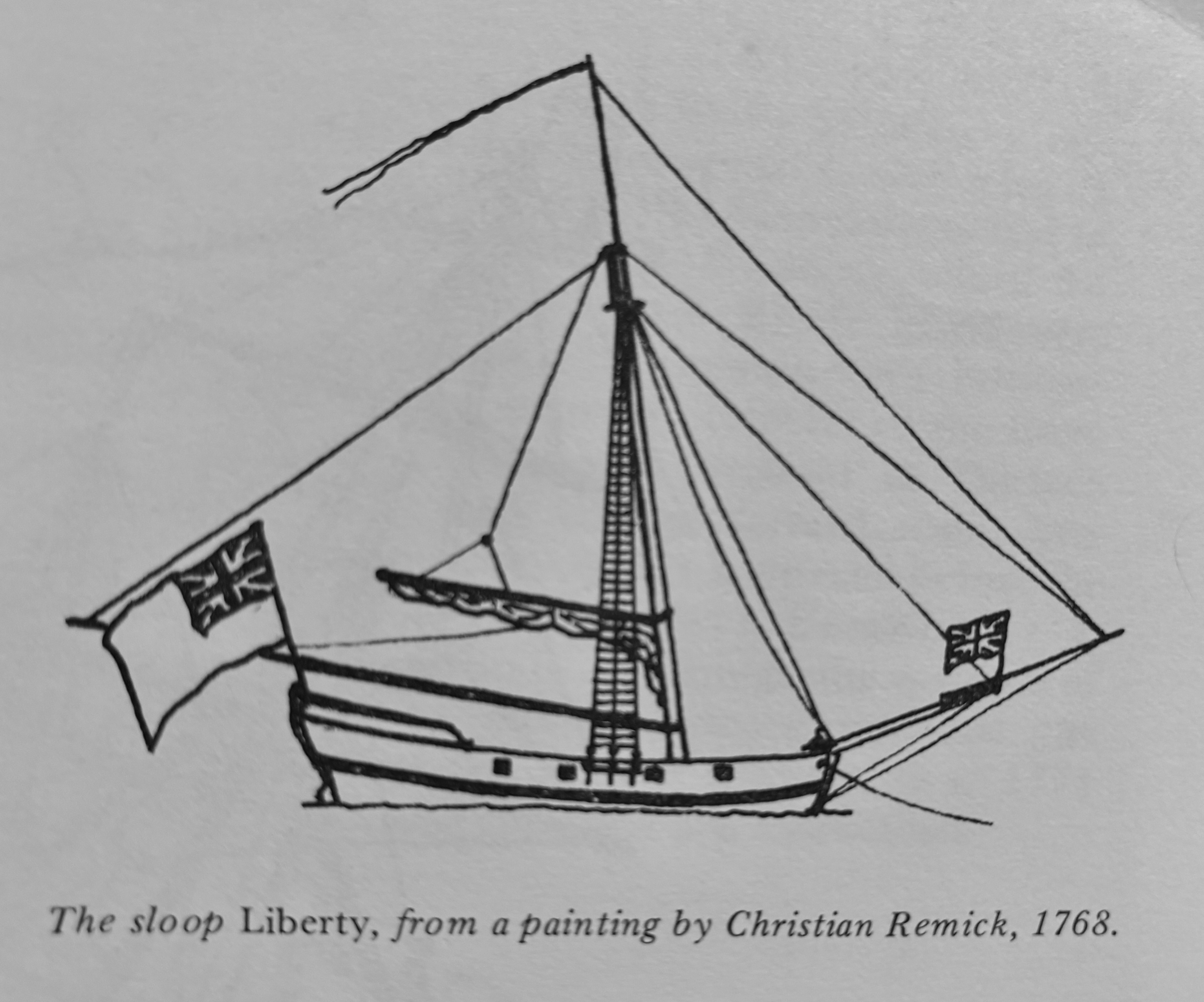
The Liberty Incident
This is the account of the burning in the Boston Gazette – July 24, 1769.
“We hear from Newport, Rhode-Island, that last Monday the Sloop Liberty, Capt. Reid, said to be owned by the Commissioners, brought in there a Brig and a Sloop belong to Connecticut, that they had for some pretext seized in the Sound, which, together with the impudent behavior of the Captain and some of his People, so exasperated a number of persons there, that on Wednesday afternoon they went on board the Liberty as she lay at Anchor in the Harbour, and cut her cables, and let her drift ashore, they then set her on fire but being informed a considerable Quantity of Powder was on board, for fear of endangering the Town, they extinguished it again; they then cut away her mast, threw her guns and stores overboard, entered the Cabin and destroyed the Captains and his wife’s cloaths, bedding, broke the tables, chairs, china and other things therein, and did not quit her til 3 oclock the next morning, when after scuttling the vessel, they left her a meer Wreck, and now remains sunk near one of the wharfs there. They also seized her barge and boat and burnt them – The Brig that was seized we hear was legally discharged on Thursday, but that the Sloop made her escape in the confusion the evening before.”On the 19th of July in 1769 a Newport mob was so exasperated with the captain of a sloop owned by Royal Commissioners that they “went on board the Liberty as she lay at Anchor in the Harbour, and cut her cables, and let her drift ashore, they then set her on fire…” (Boston Chronicles, 24, July 1769).
This incident was almost three years before the burning of the Gaspee.
I am working on new projects that have me looking at the whole of Rhode Island’s Revolutionary experience and those Rhode Islanders who played major roles in the action. Most of my research has been on the Rhode Island Campaign, the Battle of Rhode Island and the French role in converting Butts Hill into a proper fort. The general picture of rebellious Rhody is new ground for me. Timelines published in the Newport Mercury by John Millar and his book – Rhode Island: Forgotten Leader of the the Revolutionary Era, are helping me to focus on the larger picture.
Stephen Hopkins: 1707-1785
Lawyer, merchant, politician and co founder of Brown University.
28th, 30th, 32nd, and 34th Governor of the Colony of Rhode Island and Providence Plantations,
Represented Rhode Island Island at the Albany Congress of 1754 where he pressed for union of the colonies.
Wrote the Rights of Colonies Examined in 1764 which held that Britain’s authority over the colonies had little basis. This was in response to the Sugar Act.
In 1772, when the British vessel Gaspee was attacked and burned, Chief Justice Hopkins refused to sign the court order to arrest those responsible.
Delegate to the First and Second Continental Congress where he introduced bills to establish a navy. His brother Esek became the first admiral of the Navy.
Signer of the Declaration of Independence. Hopkins was frail and his hand shook, but the commented: “My hand trembles but my heart does not.”
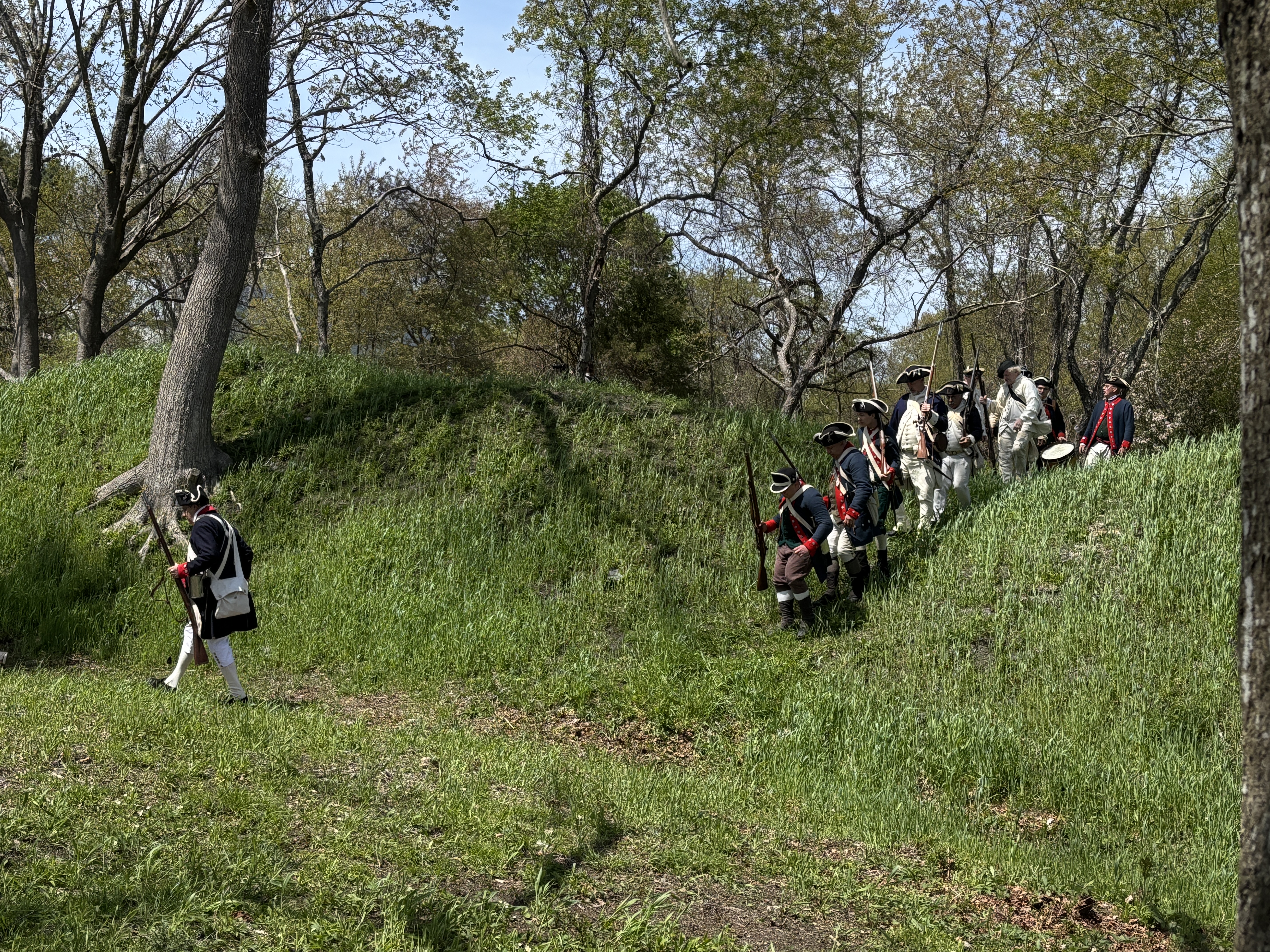
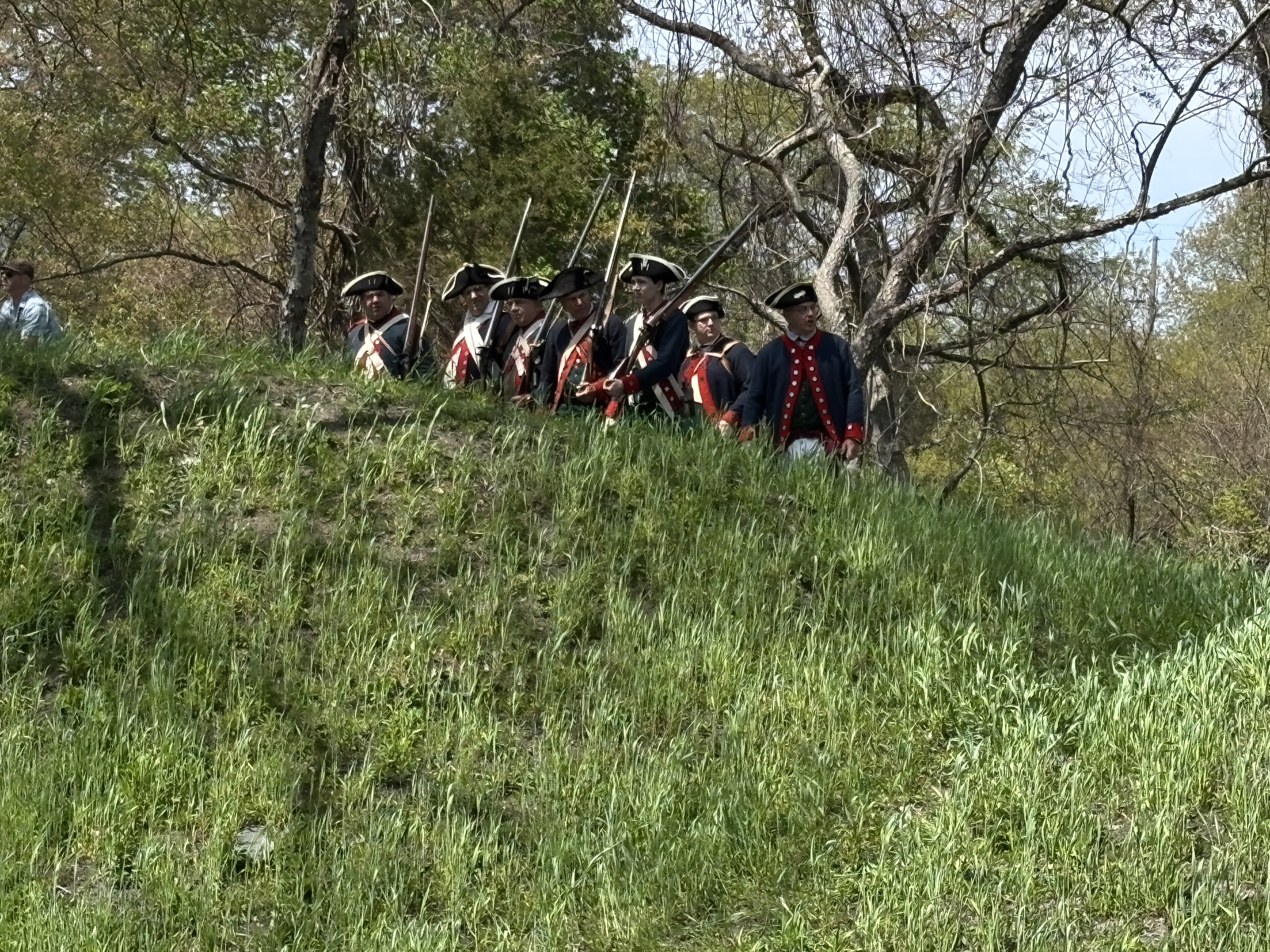
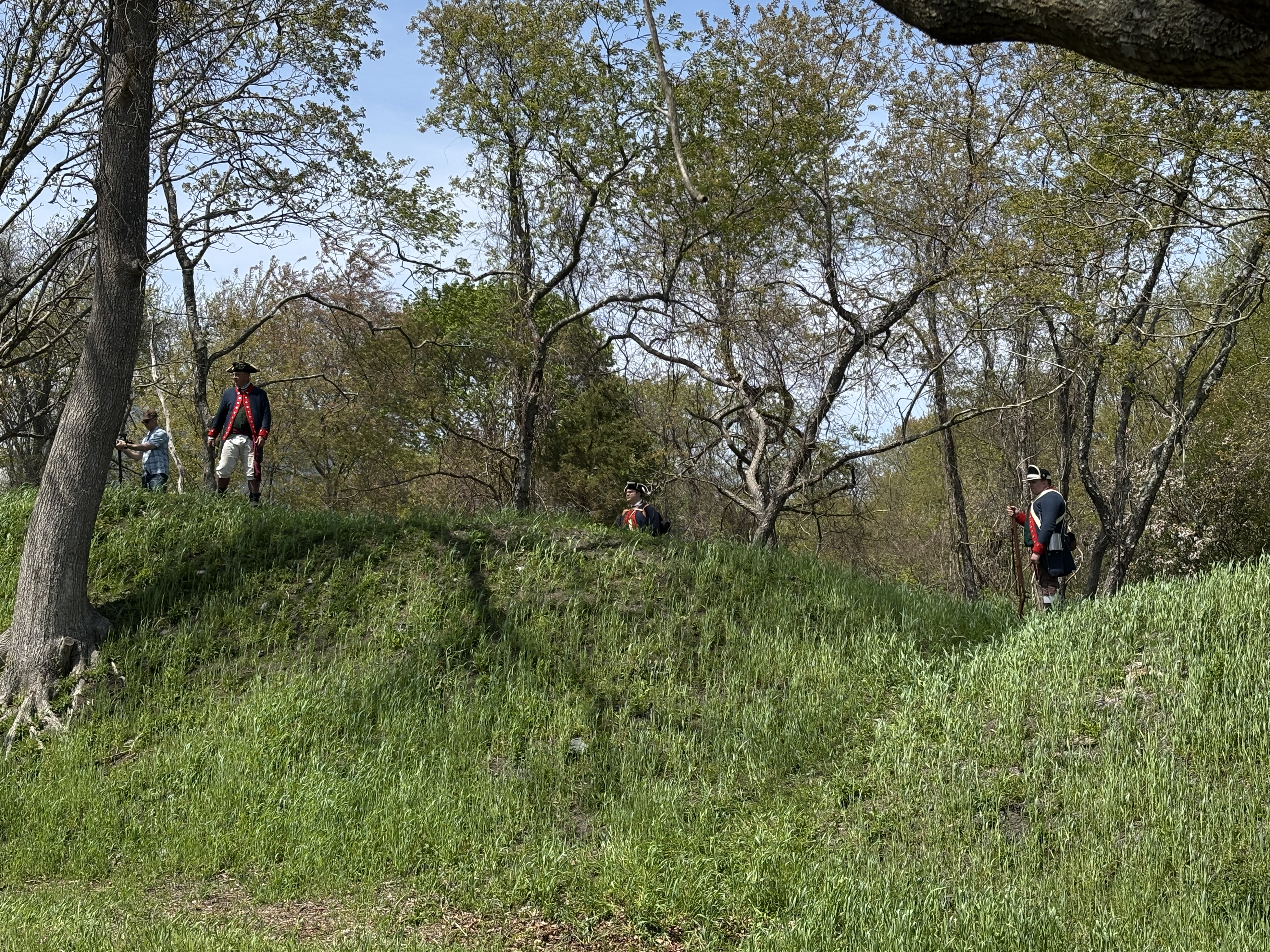
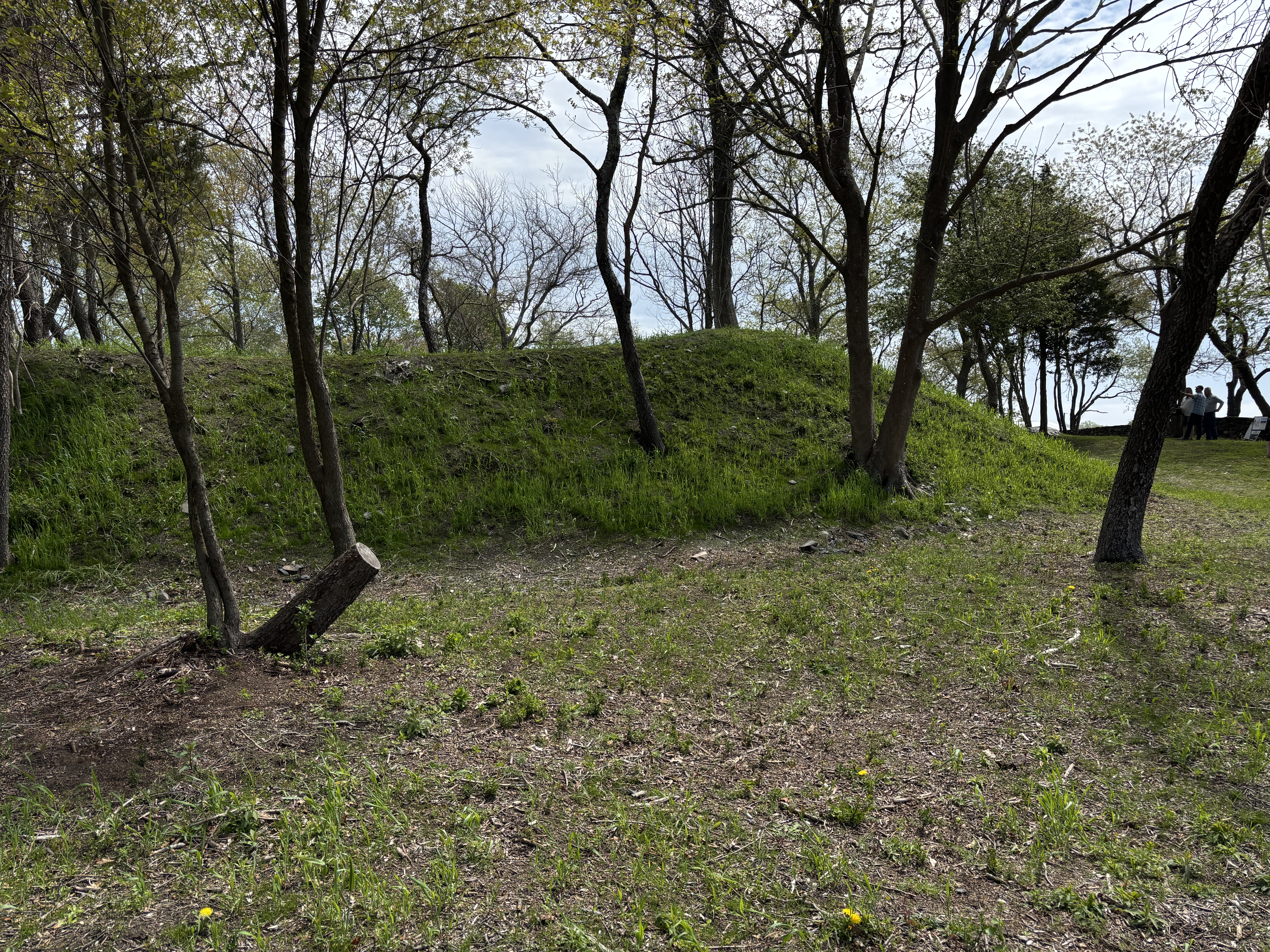
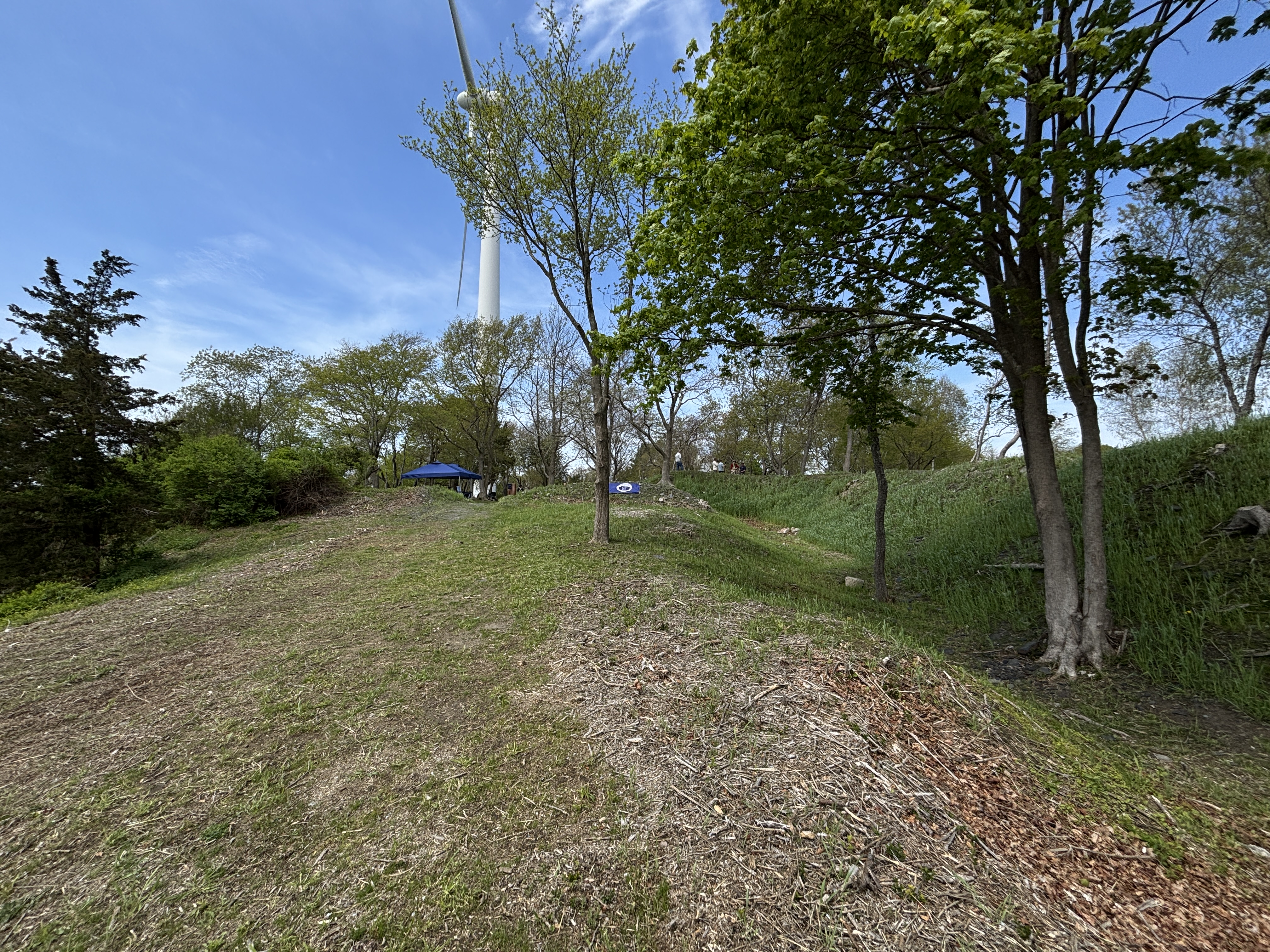
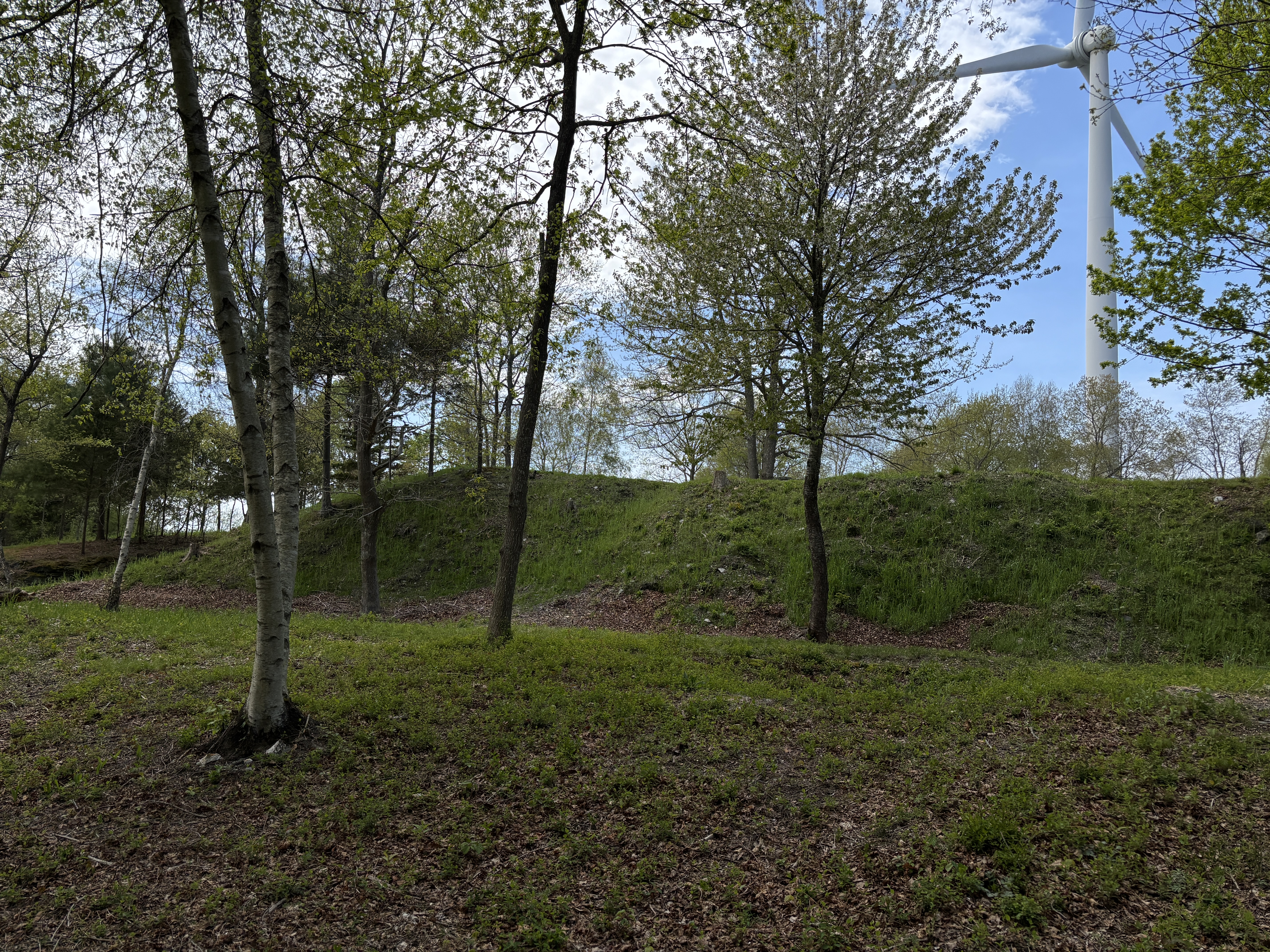
If you haven’t been to Butts Hill lately, this is an excellent time to go. This week we hosted 46 AP History students from Portsmouth High Schools on a tour of Battle of Rhode Island skirmish sites. We ended with a walking tour of the fort.
We hope to have better signage up in the coming year and full self-tour with QR codes. Meanwhile we have some resources to help explain what you see walking through the fort.