
Stone Wall by Glen Farm Road.

Glen Farm Road wall a few winters ago.
As Portsmouth was celebrating its 375th birthday in 2013, I was working on a booklet of historical locations in town. I began to notice that everywhere I went to photograph these sites from our history, I found a stone wall. I know that through the years these walls can be moved or rebuilt, but vintage maps show that many of these walls have been in place for a hundred years or more. I began to wonder what stories the walls could tell us about the history of the sites if they had a voice.
There was a time when there were no walls here. Oh the rocks were there, buried deep in the soil. Ancient glaciers moved across Aquidneck Island and left behind the stones: gray-green slate, shale that breaks apart, puddingstone with pebbles cemented together, white quartz and granite.
The native people who used our island for hunting and planting may have unearthed rocks and pushed them out of the way of planting, but they were not constructing walls. Early settlers and colonial farmers began to use the stones they dug out while clearing the land in walls that marked boundaries. Another use was to hold animals in a pen or prevent pests from getting into the plantings.
Portsmouth stone walls are special. If you notice the walls across the way in Bristol, Tiverton or South County you will see more rounded rocks. Our walls are flatter and fit into patterns more easily. Many of us have these walls in our backyards. Some are rough farmer walls that are loosely stacked, but other walls are remarkable finished walls – capstone and all. The walls give a special character to our town and should be preserved, protected and rebuilt when possible.
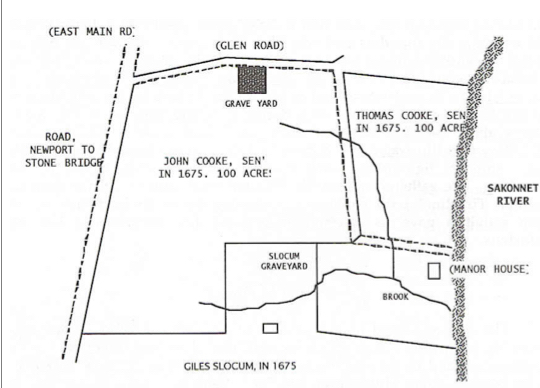
 Rebecca Cornell, a 73 year old widow, lived in her 100-acre home in Portsmouth with her son Thomas; his second wife Sarah; their two daughters; his four sons from his first marriage; a male lodger and a male servant.
Late afternoon on Feb 8, 1673, Thomas arrived home to find his mother feeling ill. Family members kept her company; Thomas talked with her for ninety minutes, but left at 7:00 p.m. to wind a “Quill of Yarn” before supper. Rebecca didn’t join the family supper because she didn’t want the “salt-mackrill” meal. About 45 minutes later grandson Edward went to her room to ask her if she wanted something else to eat. Seeing flames, he ran out to get a candle. Meanwhile, everyone ran into Rebecca’s room, where she was burned beyond recognition.
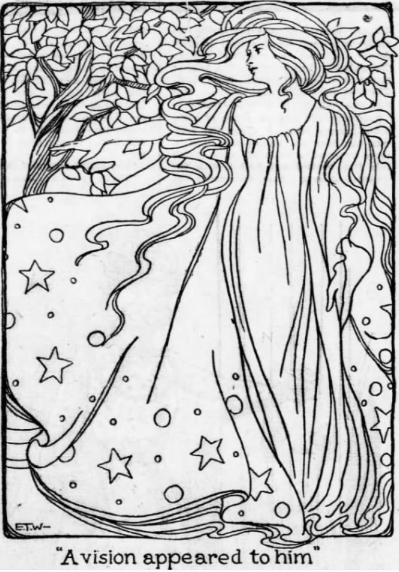
Two nights later Rebecca’s ghost paid a surprise visit to her brother, John Briggs, a 64-year old grandfather. He reported that on seeing the shape of a woman by his bedside, he “cryed out, in the name of God what art thou…” The apparition replied, “I am your sister Cornell, and Twice sayd, see how I was Burnt with fire.” A later autopsy showed “A Suspitious wound on her in the upper-most part of the Stomake.”
Circumstantial evidence was stacked against Thomas. There were bad feelings between mother and son because she’d given him her estate but he had to divide 100 pounds among his siblings and he had to care for his mother. His temper, which Rebecca told people she feared, didn’t help.
There was also tension between Rebecca and daughter-in-law Sarah. Thomas had motive to murder. He also had access to a purported murder weapon, “sume instrumen licke or the iron spyndell of a spinning whelle.” And he was the last person to see Rebecca alive. Thomas Cornell, 46, was hung for her “murder” on May 23, 1673.
Who were the other suspects, if it was murder? Two doors gave access to Rebecca’s downstairs bedroom. Unrest existed between Europeans settlers and the Indians. An Indian named Wickhopash (a.k.a. Harry) had a motive for the crime. He’d been on “the losing end of criminal action for grand larceny brought by Thomas in June 1671” and had received a punishment. Often Indian revenge was taken out by attacking lone female family members, and arson was their tactic. In 1674 he was tried and acquitted for the killing.
In 1675 Thomas’s younger brother, William, presented persuasive evidence that Sarah had a role in Rebecca’s death. She was burdened with “catering to her demanding mother-in-law,” and she had a violent streak. She too was acquitted.
The theory of accidental death also remains. Rebecca might have tried making her own fire, caught herself on fire, fallen and dragged herself away from the hearth. She’d also confided in her daughter Rebecca that she’d considered suicide three times.
So whodunit? Was it murder? An accident? Or suicide? Sarah birthed Thomas’s last child, a daughter she named Innocent, after his hanging.
Sources:
Crane, Elaine F. Killed Strangely: The death of Rebeka Cornell. Ithaca: Cornell Univ. Press, 2002
Rebecca Cornell, a 73 year old widow, lived in her 100-acre home in Portsmouth with her son Thomas; his second wife Sarah; their two daughters; his four sons from his first marriage; a male lodger and a male servant.
Late afternoon on Feb 8, 1673, Thomas arrived home to find his mother feeling ill. Family members kept her company; Thomas talked with her for ninety minutes, but left at 7:00 p.m. to wind a “Quill of Yarn” before supper. Rebecca didn’t join the family supper because she didn’t want the “salt-mackrill” meal. About 45 minutes later grandson Edward went to her room to ask her if she wanted something else to eat. Seeing flames, he ran out to get a candle. Meanwhile, everyone ran into Rebecca’s room, where she was burned beyond recognition.
Two nights later Rebecca’s ghost paid a surprise visit to her brother, John Briggs, a 64-year old grandfather. He reported that on seeing the shape of a woman by his bedside, he “cryed out, in the name of God what art thou…” The apparition replied, “I am your sister Cornell, and Twice sayd, see how I was Burnt with fire.” A later autopsy showed “A Suspitious wound on her in the upper-most part of the Stomake.”
Circumstantial evidence was stacked against Thomas. There were bad feelings between mother and son because she’d given him her estate but he had to divide 100 pounds among his siblings and he had to care for his mother. His temper, which Rebecca told people she feared, didn’t help.
There was also tension between Rebecca and daughter-in-law Sarah. Thomas had motive to murder. He also had access to a purported murder weapon, “sume instrumen licke or the iron spyndell of a spinning whelle.” And he was the last person to see Rebecca alive. Thomas Cornell, 46, was hung for her “murder” on May 23, 1673.
Who were the other suspects, if it was murder? Two doors gave access to Rebecca’s downstairs bedroom. Unrest existed between Europeans settlers and the Indians. An Indian named Wickhopash (a.k.a. Harry) had a motive for the crime. He’d been on “the losing end of criminal action for grand larceny brought by Thomas in June 1671” and had received a punishment. Often Indian revenge was taken out by attacking lone female family members, and arson was their tactic. In 1674 he was tried and acquitted for the killing.
In 1675 Thomas’s younger brother, William, presented persuasive evidence that Sarah had a role in Rebecca’s death. She was burdened with “catering to her demanding mother-in-law,” and she had a violent streak. She too was acquitted.
The theory of accidental death also remains. Rebecca might have tried making her own fire, caught herself on fire, fallen and dragged herself away from the hearth. She’d also confided in her daughter Rebecca that she’d considered suicide three times.
So whodunit? Was it murder? An accident? Or suicide? Sarah birthed Thomas’s last child, a daughter she named Innocent, after his hanging.
Sources:
Crane, Elaine F. Killed Strangely: The death of Rebeka Cornell. Ithaca: Cornell Univ. Press, 2002

 Wampanoag Calendar

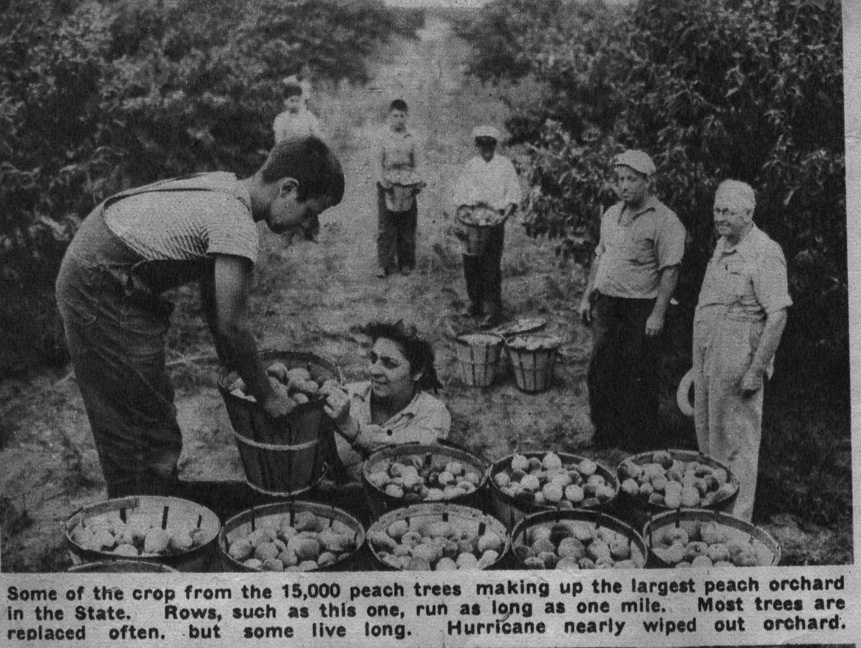 Portsmouth farmers had little warning to prepare their crops for a big storm. All Hathaway Orchard owner Howard Hathaway had was that his barometer hit a low. The hurricane damaged both orchards the Hathaways kept and it took years – until 1944 – for a new crop to come in. The orchards on the island were stripped of all their fruit. Peppers, beans and other crops low to the ground had partial losses. Corn and other high growing vegetables suffered severe losses. Poultry houses were demolished and many birds perished in the might of the storm. Only the tubers and root crops survived well.
